
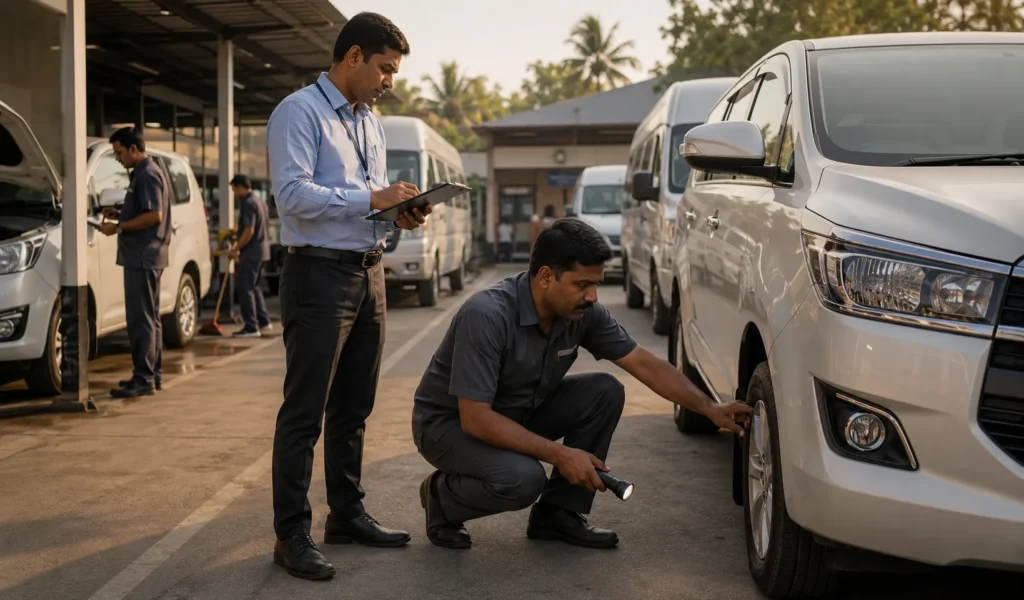
Most Travelers Remember The Destinations. They Spend More Time Inside The Vehicle Than They Realize.
When people imagine an India tour, they usually think about iconic landmarks like the Taj Mahal, Kerala backwaters, or Lake Pichola. Very few think about the time spent traveling between them.
In reality, transportation becomes a major part of almost every itinerary.
A well-managed travel day is not just about reaching the destination — it is about how comfortable the journey feels along the way.
• Kerala journeys include winding hill roads to destinations like Munnar
• Golden Triangle tours involve multiple transfers between cities, airports and hotels
• Most travelers spend dozens of hours inside a vehicle during a complete tour
These hours are rarely noticed when everything works smoothly, but they strongly influence how the entire journey feels.
Transportation is not just a transfer between destinations — it is a core part of the travel experience.
We Choose Transportation Partners Before We Choose Vehicles
The quality of transportation is determined long before a vehicle is assigned. It begins with selecting the right operational partners.
Reliable transportation depends more on operational discipline than on the vehicle itself.
• Consistent vehicle maintenance standards
• Clear communication during delays or route changes
• Ability to handle flight delays and schedule adjustments
• Proven reliability across previous tours
We prioritize long-term partnerships because they improve coordination and reduce uncertainty for travelers.
Good transportation planning is not about vehicles alone — it is about the reliability of the people behind them.
The Vehicle Is Selected For The Travelers, Not The Other Way Around
One common mistake in independent travel planning is selecting transportation only based on the number of passengers.
Good transportation planning considers people, luggage, comfort, and travel style — not just seat count.
• Senior travelers may prioritize easier vehicle access
• Photography groups require additional equipment space
• Families with children need more comfort during long drives
That is why transportation is planned after understanding traveler needs, not before.
The right vehicle should match the journey — not just the number of passengers.
Luggage Is Reviewed As Carefully As Passenger Numbers
Luggage requirements often influence transportation decisions as much as passenger count does.
Luggage planning is a critical part of transportation design, especially for long international tours.
• Seasonal clothing increases suitcase size
• Photography and personal equipment require extra space
• Medical and personal essentials add additional weight
During a December 2024 Kerala and Rajasthan tour, a family from Houston required a larger vehicle after luggage needs were carefully reviewed in advance.
This ensured that all luggage fit comfortably throughout the journey without last-minute adjustments.
Small planning decisions before departure often prevent repeated inconvenience during the trip.

Vehicle Age Is Considered Together With Condition
We are often asked whether there is a strict maximum age limit for vehicles used during tours. The answer is more practical than technical.
Vehicle quality is judged by maintenance, comfort and reliability — not just the year of manufacture.
• Air conditioning must work reliably in all conditions
• Seats and interiors should remain clean and comfortable
• Luggage space must be ready before airport pickup
The first drive after a long international flight sets the tone for the entire journey.
Cleanliness Is One Of The First Things Travelers Notice
Every traveler notices different details when they first step into a vehicle, but cleanliness is almost always one of the first impressions.
Clean, well-maintained vehicles are an essential part of welcoming international travelers after long-haul flights.
• Fresh, well-maintained seating enhances travel experience
• Clear windows improve visibility during sightseeing transfers
• Hygiene standards reflect overall service quality
For many travelers, the vehicle is the first physical experience of India after a long international journey.
Cleanliness is not an upgrade — it is part of respectful and professional travel service.
We Think About Comfort Before The Journey Begins
Comfort means different things to different travelers, which is why we never treat it as a single fixed definition.
True comfort is defined by the traveler — not the vehicle.
• Extra legroom during long intercity drives
• Easier access for senior travelers
• Space for luggage, bags, and travel essentials
Comfort planning begins before the airport pickup — not after the journey starts.
Every Vehicle Is Part Of A Larger Operational Plan
Transportation planning extends far beyond assigning a vehicle. It involves coordinating the entire flow of the travel day.
A smooth journey is created through coordination, timing, and preparation — not just transportation.
• Hotel sequence and check-in planning
• Driving distances and route planning
• Comfort stops during long journeys
• Local events and traffic conditions
• Driver reporting and readiness time
When these elements are aligned, the journey feels natural and unhurried.
A comfortable journey is not created at pickup — it is designed long before the engine starts.
Case Study: A Better Vehicle Instead Of A Bigger Problem
In February 2025, Michael and Karen Brooks from Phoenix, Arizona, were travelling through Rajasthan with another couple when a small detail changed the entire transport plan.
Good transportation planning often happens before a problem appears — not after it begins.
Initially, a standard vehicle for four adults had been reserved. During a pre-departure conversation, Michael mentioned that both couples planned to purchase handicrafts and textiles during the trip.
• The transport plan was reviewed again before departure
• A larger vehicle was assigned proactively
• Additional luggage space was ensured from day one
By the time they reached Udaipur, their purchases were safely stored without affecting passenger comfort.
“We probably brought home more souvenirs than clothes,” Michael later joked after the tour.
Small adjustments made early often prevent larger inconveniences later in the journey.
A Professional Driver Does Much More Than Drive
While vehicles are important, the experience of travel is often shaped most by the person behind the wheel.
Drivers are not just transport operators — they are an essential part of the overall travel experience.
• Support during long intercity drives
• Assistance during early departures and late arrivals
• Handling unexpected traffic or route changes
• Maintaining punctuality and schedule flow
• Respecting traveler comfort and privacy
A skilled driver contributes quietly but consistently to the comfort of the entire journey.
Professionalism behind the wheel is as important as the vehicle itself.
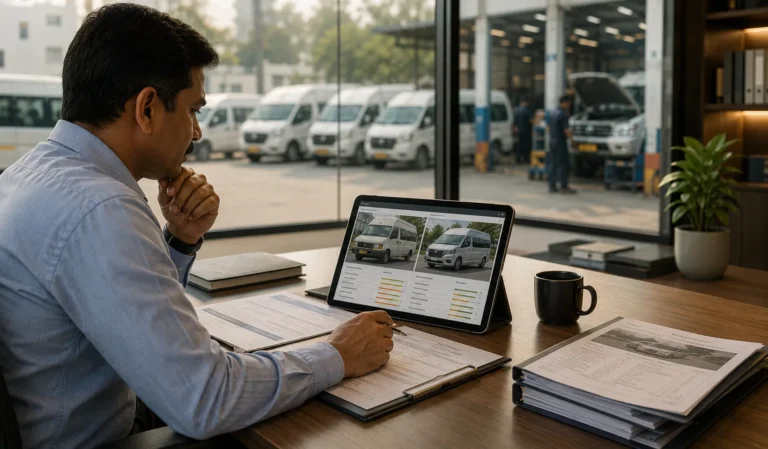
Driver Verification Is One Of The First Operational Checks
Before assigning a driver, we review not just availability but operational suitability for the journey ahead.
Driver selection is based on experience, reliability, and suitability for the specific travel route.
• Experience with multi-day intercity travel is assessed
• Familiarity with tourist routes and hotel procedures is reviewed
• Ability to manage international traveler expectations is considered
Long-distance travel requires a different level of operational experience than short city transfers.
Local Route Knowledge Makes A Difference Every Day
Technology supports navigation, but local experience shapes the quality of the journey.
Experience on the road helps drivers make better real-time decisions than navigation systems alone.
• Awareness of seasonal road conditions and festival diversions
• Identification of safe and comfortable rest stops
• Understanding of vehicle-friendly stopping points
This combination of technology and experience helps create smoother and more predictable travel days.
Good transportation is not just about directions — it is about judgement on the road.
Driver Working Hours Matter More Than Many Travelers Realise
Driver fatigue and realistic scheduling are rarely discussed, but they play a major role in long-distance travel comfort.
Good itinerary design considers not just distance, but also timing, rest patterns, and overall travel rhythm.
• Early starts are balanced with lighter travel days
• Long drives are distributed across the itinerary
• Additional nights are added when it improves travel comfort
Transportation planning and itinerary planning always work together.
Comfort Stops Are Planned, Not Left To Chance
Long journeys are designed with planned pauses that make travel more comfortable and enjoyable.
Comfort stops are part of the itinerary design, not interruptions to it.
• Short stops for photography and viewpoints
• Tea and coffee breaks during long drives
• Visits to safe and convenient local stops
Some of these stops become unexpected highlights of the journey rather than simple pauses.
Well-planned breaks make long journeys feel shorter and more enjoyable.
Airport Pickups Begin Before The Flight Lands
Airport transfers may look simple from the outside, but they involve careful preparation long before the aircraft touches down.
A smooth arrival is the result of preparation, timing coordination, and real-time communication.
• Arrival timings and terminal information are confirmed
• Immigration delays are anticipated in planning
• Airport representative and driver coordination is pre-checked
The goal is to make the arrival feel calm, even after a long international journey.
Communication Between Drivers And Operations Never Stops
Behind every smooth travel day is continuous coordination between drivers, guides, hotels and the operations team.
Real-time communication ensures small adjustments are handled before they affect the traveler experience.
• Guides adjust timing based on sightseeing flow
• Hotels receive revised arrival estimates
• Operations coordinate changes in itinerary order
Most of this coordination happens quietly in the background without the traveler noticing.
When communication works well, the journey feels seamless rather than managed.
Seasonal Conditions Change Transportation Planning
Transportation planning in India is influenced by seasonal variations that differ significantly across regions.
Good planning adapts to seasonal conditions instead of assuming fixed travel behavior throughout the year.
• Winter fog affects North India travel timings
• Festival processions influence city traffic patterns
• Road maintenance can create temporary diversions
Small operational adjustments often prevent larger travel delays.
Case Study: Monsoon Planning In Kerala
In July 2024, a small operational adjustment helped a group travel smoothly despite heavy rainfall conditions.
Proactive coordination ensured the itinerary continued smoothly despite weather-related road delays.
• Departure time adjusted by 45 minutes
• Hotel breakfast timing modified accordingly
• Guide and driver informed in advance
Travelers simply followed a slightly adjusted schedule without experiencing disruption.
“We knew it had been raining, but everything still seemed to run on time,” David said afterward.
That is exactly what thoughtful transportation planning is designed to achieve.
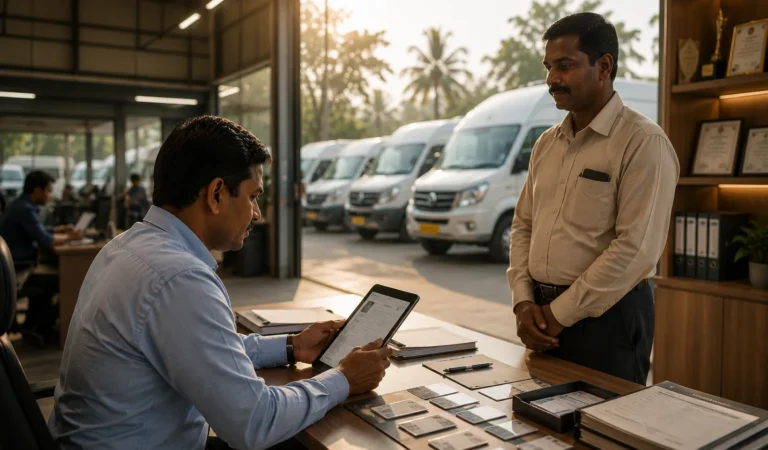
Case Study: Delhi Airport Arrival
In October 2024, a couple from San Francisco arrived in Delhi nearly three hours later than scheduled due to a delayed connecting international flight.
A smooth airport pickup experience depends on coordination that begins long before the traveler lands.
While the travelers were still in transit, our operations team received the updated flight information and immediately shared it with all relevant partners.
• Driver informed in real time
• Hotel received adjusted arrival estimate
• Pickup coordination aligned before landing
When the travelers exited the terminal, their pickup was already waiting without any confusion or delay.
“We expected to spend the first hour explaining our delay. Instead, everyone already knew,” they later shared.
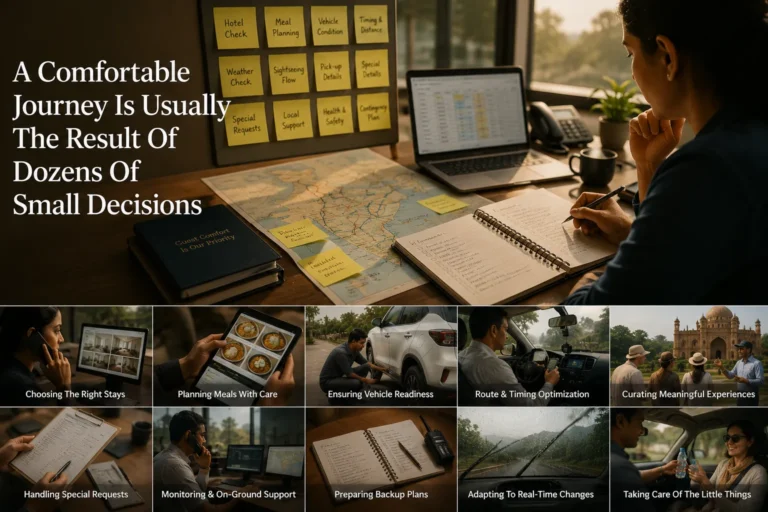
A Comfortable Journey Is Usually The Result Of Dozens Of Small Decisions
Comfort in transportation is rarely the result of one major decision. It comes from multiple small, coordinated operational choices.
Every smooth journey is built through planning, timing, communication, and real-time coordination.
• Planning realistic departure and travel timings
• Monitoring road conditions and traffic flow
• Coordinating hotel and airport communication
• Allowing sufficient time for rest and breaks
• Maintaining continuous operational updates
When all these elements work together, travelers can focus on the experience rather than the logistics.
Good transportation is not visible when it works well — it simply feels effortless.
Every Transportation Plan Includes A Backup Plan
No matter how carefully a journey is planned, transportation always includes a level of operational uncertainty.
A strong transport plan is defined not only by execution, but by how effectively it handles unexpected changes.
• Road construction or unexpected diversions
• Flight delays or early arrivals
• Temporary hotel access changes
The goal is simple — solve issues before they affect the traveler experience.
We Never Wait Until A Problem Becomes Visible
Proactive transportation planning focuses on identifying and resolving potential issues before they impact travelers.
Good operations management works in advance, not in reaction to disruptions.
• Weather conditions reviewed before overnight changes
• Airport traffic patterns monitored in advance
• Pickup schedules adjusted proactively when needed
Most travelers never notice these adjustments because they are completed before the journey begins.
The best transportation systems solve problems before they appear.
Vehicles Are Reviewed After Tours, Not Just Before Them
Transportation quality is not assessed only at the start of a journey. It is evaluated continuously, including after the tour is completed.
Post-tour feedback is one of the most important tools for improving transportation standards over time.
• Air conditioning performance consistency
• Luggage space adequacy
• Cleanliness throughout the journey
• Comfort during extended travel days
Continuous improvement depends on learning from completed journeys, not only planned ones.
Driver Performance Is Reviewed Throughout The Year
Driver evaluation is an ongoing process based on performance across multiple tours, not a single assignment.
Consistent performance over time defines long-term trust with transport partners.
• Punctuality across all assignments
• Safe and steady driving habits
• Clear communication with travelers
• Route knowledge and navigation skills
• Coordination with guides and operations teams
Drivers who consistently perform well become long-term partners in delivering reliable travel experiences.
Consistency is built through repeated excellence, not one successful trip.
Transportation Needs Change Depending On The Travelers
Transportation planning is always adapted based on who is travelling, not just where they are going.
Different traveler profiles require different levels of comfort, pacing, and logistical support.
• Families require luggage space and flexible stops
• Multi-generational groups need balanced pacing
• Photography travelers need viewpoint flexibility
Every transportation plan begins with understanding the traveler first.
Good Transportation Also Depends On Good Itinerary Design
Transportation works best when it is aligned with a thoughtfully paced itinerary.
Balanced itineraries help prevent fatigue by combining longer travel days with slower-paced experiences.
• Combining scenic drives with relaxed stays
• Planning rest time after mountain or intercity travel
• Ensuring realistic daily travel distances
When itinerary design and transportation planning work together, travel feels smoother and more natural.
Comfort in travel is created by rhythm, not just vehicles.
Case Study: Changing A Vehicle Before The Tour Began
In January 2025, a group of six travelers from Columbus, Ohio booked a twelve-day Rajasthan tour with a standard transport arrangement.
Operational planning adapts when new traveler requirements are shared, especially during final reviews.
A few days before departure, one traveler informed us she would be carrying a foldable mobility aid following recent knee surgery.
• Larger vehicle assigned before arrival in Delhi
• Additional luggage space ensured for mobility equipment
• Loading and unloading made easier throughout the journey
No itinerary changes were required — only improved planning.
Case Study: A Driver Change That Travelers Never Knew About
Sometimes operational adjustments happen quietly behind the scenes without affecting the traveler experience at all.
Strong operations are defined by how seamlessly they handle unexpected changes.
In August 2024, during a Kerala itinerary between Thekkady and Kumarakom, the assigned driver reported feeling unwell late the previous evening.
• Route familiarity ensured continuity of travel experience
• Operations updated before the next morning’s departure
• Travelers met the new driver without delay or disruption
The transition was completed before travelers were even aware of the change.
The goal is not to avoid every issue — it is to ensure travelers never experience them.
Technology Supports Good Transportation. It Doesn’t Replace Experience.
Modern tools improve coordination, but real-world travel decisions still depend on human experience.
Effective transportation planning combines digital tools with on-ground knowledge and judgement.
• Traffic tools help monitor real-time conditions
• Communication platforms improve coordination
• Local experience identifies practical route adjustments
Information is only useful when interpreted correctly in real travel conditions.
Looking Back, Travelers Rarely Remember Vehicle Models
What travelers remember after a journey is not the vehicle, but how the journey felt.
Comfort, reliability and coordination matter more than technical specifications.
• Drivers consistently ready and punctual
• Adequate luggage space throughout the journey
• Comfortable long-distance travel days
Transportation works best when it supports the journey quietly in the background.
Good transportation is remembered not for the vehicle, but for how effortless it felt.
Frequently Asked Questions
1. How does White Pigeon Holidays choose transportation partners?
We work with transport partners who consistently meet our expectations for reliability, vehicle condition, communication and operational consistency.
2. Do you assign vehicles only based on the number of travelers?
No. Luggage, trip duration, mobility needs, and comfort requirements are also considered.
3. Are vehicles inspected before tours?
Yes. Our transport partners ensure vehicle cleanliness, air conditioning, seating comfort and readiness before every departure.
4. How do you select drivers?
Drivers are assigned based on route experience, professionalism, communication and suitability for the itinerary.
5. Do you monitor driver working hours?
Yes. Itineraries are designed with realistic travel durations to support both traveler comfort and driver wellbeing.
6. Are comfort stops included during long drives?
Yes. Longer journeys include planned breaks for refreshments and restrooms whenever needed.
7. What happens if my international flight is delayed?
Updated arrival information is shared with the driver, airport representative and relevant teams in real time.
8. How do you manage transportation during monsoon or winter?
Seasonal conditions are reviewed before departure, and adjustments are made if required for safety or comfort.
9. Do you have backup transportation arrangements?
Yes. Alternative arrangements are prepared in advance whenever operational needs arise.
10. How do you evaluate transportation quality after a tour?
We review traveler feedback, vehicle condition, punctuality, driver performance and overall travel experience.
11. Can transportation be adjusted for senior travelers or mobility needs?
Yes. Vehicle selection and travel pacing can be adjusted wherever practical.
12. Why is transportation so important in an India tour?
Because travelers spend many hours on the road. Comfort, coordination and reliability directly shape the overall experience.
Transportation is not just movement between destinations. It is a continuous part of the journey that shapes comfort, confidence and overall travel experience.
White Pigeon Holidays

