
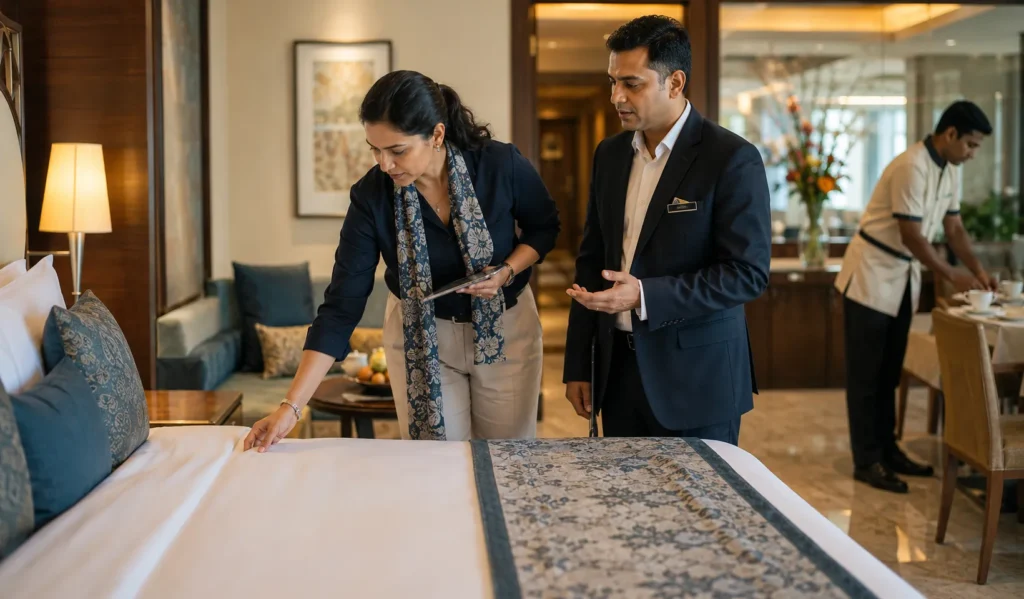
A Hotel Website Shows You The Best Side Of A Property. Our Job Is To Look Beyond That.
Online hotel listings highlight the best version of a property, but they rarely reflect the full guest experience.
Our hotel evaluation process focuses on how the property performs in real travel conditions, not just how it appears online.
• Elevator access and crowd flow during peak hours
• Bathroom functionality and room comfort
• Food service handling for dietary requests
• Evening atmosphere and guest comfort
We evaluate hotels based on how travelers actually experience them, not just how they are presented.
The Inspection Starts Before We Enter The Building
Hotel evaluation begins with the surroundings and access experience, not just the interior.
The journey to the hotel entrance is often as important as the hotel itself.
• Entrance visibility and safety for group arrivals
• Surrounding traffic and congestion patterns
• Nearby construction or environmental disruptions
• Neighborhood suitability for evening walks
A hotel may look perfect online, but real-world access conditions can change the guest experience significantly.
Sometimes the most important factor is not the hotel — it is how you reach it.
First Impressions Matter More After A Long Flight
Arrival experiences shape how travelers feel within the first few minutes of entering a hotel after a long journey.
A smooth and organised arrival experience helps travelers transition from travel fatigue to comfort more quickly.
• Efficient luggage assistance on arrival
• Calm and organised lobby environment
• Availability of seating during check-in
• Clear and simple check-in communication
The first hour inside a hotel often defines the overall perception of the stay.
Reception Is About More Than Checking In
The front desk acts as the communication hub for the entire hotel stay, not just the check-in process.
Service quality is often reflected in how staff handle everyday guest interactions.
• Communication with international travelers
• Handling of early check-in or room requests
• Response to maintenance or service issues
• Problem-solving attitude during delays or changes
Small interactions often reveal more about a hotel’s service culture than formal presentations.
Reception quality quietly shapes the entire hotel experience.
We Never Walk Straight To The Guest Room
Hotel inspections begin with shared spaces, because that is where guests spend most of their visible time during a stay.
Public areas often reveal more about a hotel’s operational quality than the rooms themselves.
• Corridor lighting and upkeep
• Elevator speed and reliability
• Lounge and waiting area comfort
• Outdoor space presentation
Guests experience these spaces multiple times every day during their stay.
The Guest Room Is Where Travelers Spend Their Quietest Hours
Rooms are not just sleeping spaces. They become the private comfort zone for travelers throughout their journey.
A well-designed room supports rest, recovery, and comfort between sightseeing days.
• Accessibility of power outlets near beds
• Consistency of air conditioning performance
• Practical lighting for reading and relaxation
• Luggage space and room layout usability
• Noise levels from outside or corridors
Small functional details become more important after several days of continuous travel.
A comfortable room quietly restores energy for the next day’s journey.
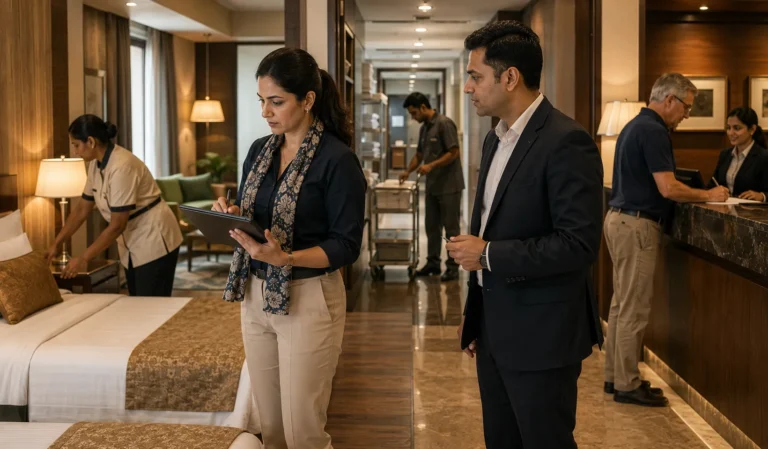
Bathrooms Tell You A Lot About A Hotel
Bathrooms often reveal more about a hotel’s real maintenance standards than any other part of the room.
We evaluate bathrooms based on functionality, cleanliness, and consistency rather than appearance alone.
• Cleanliness around fixtures and fittings
• Shower condition and usability
• Hot water consistency
• Ventilation and lighting quality
• Practical storage and mirror placement
A well-designed room cannot compensate for poor bathroom maintenance.
We Also Inspect Rooms The Way Travelers Actually Use Them
Beyond checklists, we evaluate how a room functions during an actual multi-night stay.
A room is only successful if it supports comfort, rest, and convenience throughout the stay.
• Comfort for two guests sharing the room
• Accessibility for work or device charging
• Practical lighting for reading and rest
• Effective curtains for sleep after travel days
Small functional details often define how well travelers actually sleep and recover.
Travelers remember comfort, not decoration.
The Restaurant Often Tells Us More Than The Lobby
The restaurant is one of the most frequently used spaces in a hotel, especially for international travelers on multi-day itineraries.
We evaluate dining spaces based on consistency, flow, cleanliness, and service efficiency rather than food presentation alone.
• Speed of table turnover and clearing
• Replenishment of food stations
• Staff awareness of guest needs
• Movement space during busy service times
Dining experience directly affects how travelers begin and end their day.
Breakfast Is More Important Than Many Hotels Realise
For most international travelers, breakfast is the most important meal of the day during sightseeing tours.
Breakfast quality and timing often set the tone for the entire day’s travel experience.
• Proper temperature control of hot dishes
• Clear labeling of vegetarian choices
• Quick service for freshly prepared items
• Ability to handle multiple groups efficiently
Operational improvements during peak breakfast hours can significantly enhance guest satisfaction.
Sometimes better staffing is more important than better menus.
Dietary Requests Tell Us A Lot About Service Standards
How a hotel responds to dietary requests often reflects its overall approach to guest service.
Service quality is reflected in how carefully and thoughtfully requests are handled, not just whether they are accepted.
• Handling nut allergy communication responsibly
• Asking clarifying questions before preparation
• Adjusting spice levels for international travelers
• Showing awareness of guest preferences
Thoughtful questioning is often a stronger sign of service quality than immediate agreement.
Housekeeping Standards Are About Consistency
Cleanliness is not defined by first impressions, but by consistency throughout a guest’s stay.
Operational reliability is reflected in how well standards are maintained beyond check-in.
• Speed and quality of room servicing
• Courtesy and professionalism of housekeeping staff
• Efficiency in handling guest requests
• Cleanliness of public washrooms throughout the day
Consistent cleanliness across all areas reflects strong operational discipline.
One clean room is expected — consistent cleanliness is a standard.
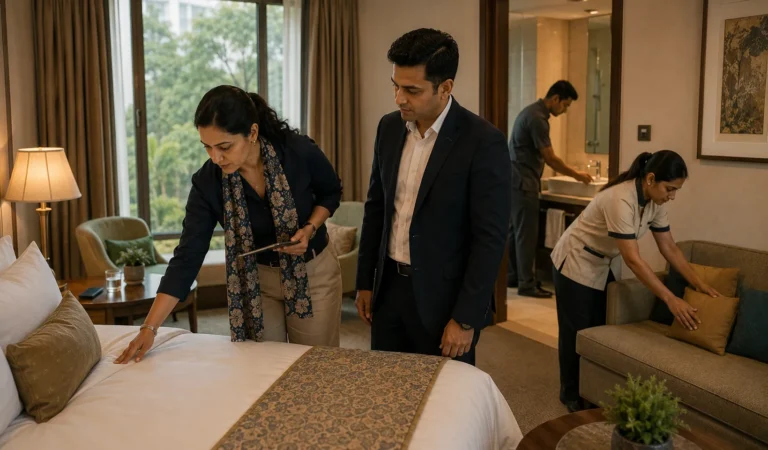
We Visit Hotels During Different Times Of The Day
A hotel experience changes significantly depending on the time of day it is observed.
Evaluating a hotel at multiple times provides a more realistic understanding of guest experience.
• Afternoon check-in and arrival experience
• Evening atmosphere after sightseeing returns
• Daily variation in guest movement patterns
• Changes in service efficiency across the day
Hotels cannot be fully understood in a single snapshot visit.
Night-Time Inspections Often Reveal Details Hidden During The Day
Evening conditions often reveal how a hotel performs during real guest arrival and relaxation hours.
Night-time evaluation focuses on safety, comfort, and operational consistency after dark.
• Safety of movement between reception and rooms
• Noise levels in corridors at night
• Guest comfort during late arrivals
• Restaurant and lobby activity in evening hours
The evening experience often reflects a hotel’s true operational discipline.
A hotel that feels comfortable at night usually performs well throughout the stay.
Safety Is Never Assumed
Safety is evaluated continuously as part of every hotel inspection, not as a one-time checklist item.
We focus on practical safety measures that directly affect guest comfort and confidence during their stay.
• Clearly marked emergency exits
• Secure room entry systems
• 24/7 reception availability
• Adequate lighting in public spaces
• Emergency vehicle access to entrances
Many safety features are designed to work quietly in the background without drawing attention.
Accessibility Is Different From Luxury
Accessibility is evaluated based on practical movement and ease of use, not hotel category or appearance.
True accessibility is defined by how easily travelers can move through a property during their stay.
• Elevator placement and convenience
• Distance from rooms to dining areas
• Ease of access for senior travelers
• Corridor layout and walking distances
Design convenience matters more than visual luxury when evaluating real travel comfort.
A hotel becomes accessible when movement feels effortless, not impressive.
We Learn A Lot Simply By Talking To Staff
Conversations with hotel staff often reveal more about daily operations than formal presentations or brochures.
We engage with different departments to understand how the hotel functions in real guest situations.
• Restaurant coordination during peak meals
• Housekeeping response times and consistency
• Concierge support for guest requests
• Operational readiness during busy seasons
Hotels are ultimately defined by how people work together every day.
Case Study: Excellent Rooms, But We Didn’t Recommend The Hotel Immediately
A strong physical product alone is not enough if operational consistency does not match it.
Operational performance must remain consistent across peak and non-peak conditions.
• Excellent location and architecture
• Slow breakfast service during peak occupancy
• Coordination gaps during high guest volume
• Need for improved operational staffing balance
Single positive impressions are not enough; consistency across days matters more.
We recommend hotels only when performance remains reliable over time.
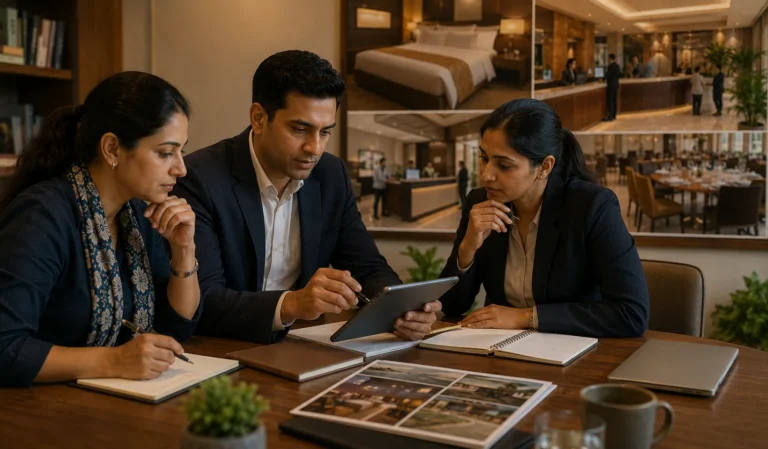
Sometimes We Decide Not To Use A Hotel
Not every hotel that looks good on paper becomes the right fit for an international travel experience.
Selection decisions are based on overall guest experience, not isolated strengths.
• Breakfast congestion during group arrivals
• Inconsistent maintenance standards
• Operational reliability across peak periods
• Overall suitability for itinerary style
A hotel is not rejected for one issue, but for how multiple factors affect the journey.
One Inspection Is Never The Final Decision
Hotels evolve over time, which is why evaluation must remain ongoing rather than fixed.
Hotel quality is dynamic and can improve or decline based on operational changes.
• Renovations or property upgrades
• Updates in restaurant operations
• Seasonal variations in service quality
• Evolving guest handling procedures
Decisions are based on current performance, not past impressions.
We evaluate hotels based on how they perform today, not how they once performed.
Traveler Feedback Becomes Part Of Every Future Inspection
Post-trip feedback is one of the most important inputs in improving future hotel selection and inspection decisions.
We use recurring guest feedback patterns to refine how we evaluate hotels across destinations.
• Breakfast quality and consistency
• Housekeeping responsiveness
• Bed comfort over multi-night stays
• Check-in speed and efficiency
Repeated feedback carries more weight than isolated opinions.
We Revisit Hotels During Different Seasons
Hotel performance can change significantly depending on seasonality, occupancy, and travel patterns.
Seasonal inspections help us understand how hotels perform under different operational conditions.
• Weather impact on guest experience
• Variations in service during monsoon and winter seasons
• Operational strain during high-demand periods
• Differences between busy and quiet periods
A complete evaluation requires understanding how a hotel behaves across different conditions.
Hotels are not static — they are living operations that change with time and season.
Renovations Can Improve A Hotel Or Temporarily Change The Experience
Hotel improvements are generally positive, but they can temporarily affect guest experience during construction phases.
We evaluate whether ongoing or planned renovations may impact traveler comfort and operational flow.
• Temporary noise or construction impact
• Access changes to facilities
• Restaurant or pool area disruptions
• Guest flow adjustments during renovation periods
We may pause or adjust recommendations depending on renovation timelines.
We Also Look At How Hotels Respond To Problems
Service quality is often revealed not when everything goes right, but when unexpected situations occur.
Operational reliability is measured by how effectively staff respond under pressure.
• Speed of housekeeping response
• Clarity in restaurant communication
• Management involvement when needed
• Ability to resolve issues calmly and efficiently
Strong service culture is reflected in problem-solving, not perfection.
How a hotel handles problems often matters more than the problems themselves.
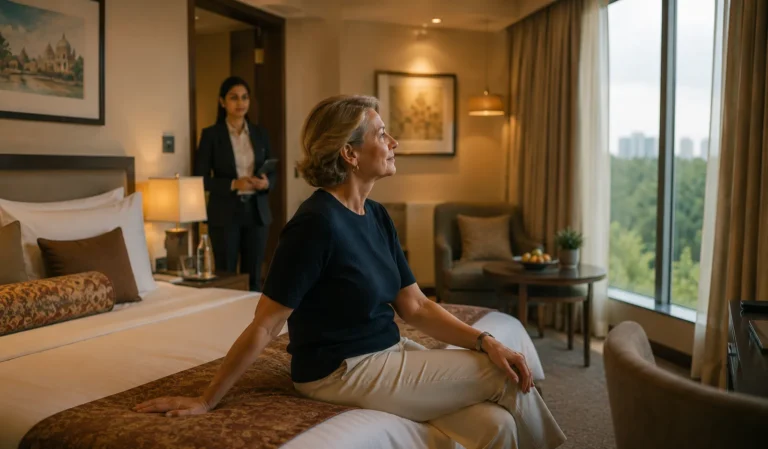
Our Inspection Notes Continue Growing Every Year
Hotel inspections evolve continuously as traveler expectations and on-ground realities change over time.
Each new tour helps refine what we observe, measure, and prioritise during hotel evaluations.
• Wi-Fi reliability for international communication
• Clear vegetarian and vegan menu labeling
• Mattress comfort for multi-night stays
• Early check-in luggage storage arrangements
Every season adds new practical insights to our inspection process.
A Hotel Stays On Our Preferred List By Being Consistent
Long-term inclusion depends on consistent performance, not isolated good experiences.
We evaluate hotels based on sustained performance across multiple tours and seasons.
• Operational stability across seasons
• Transparent communication with our team
• Resolution of issues when identified
• Alignment with traveler expectations
A single great stay is not enough; consistency is what defines long-term trust.
Hotels remain on our list because they consistently deliver the right experience.
The Most Valuable Inspection Usually Happens Through The Traveler’s Eyes
Operational inspections provide structure, but real evaluation is shaped by how guests actually experience the hotel.
The most accurate measure of a hotel is how travelers feel during their stay, not what appears on inspection checklists.
• Feeling of welcome during check-in
• Breakfast satisfaction and consistency
• Daily room cleanliness and readiness
• Professional handling of guest requests
Traveler feedback completes the picture that inspections begin.
Looking Back, Hotel Quality Is About Much More Than Luxury
Luxury creates first impressions, but comfort, consistency, and service define the actual travel experience.
True hotel quality is defined by how travelers feel throughout their entire stay.
• Consistency in service across days
• Reliability of housekeeping and breakfast service
• Comfort during rest and recovery periods
• Confidence in handling dietary and travel needs
Memorable stays are built through everyday experiences, not design alone.
Great hotels are remembered for how they make travelers feel, not just how they look.
Frequently Asked Questions
1. Why does White Pigeon Holidays inspect hotels before recommending them?
We evaluate how a hotel actually performs in real guest conditions, not just how it appears online.
2. What do you look for during a hotel inspection?
We assess location, cleanliness, rooms, bathrooms, restaurants, accessibility, safety, staff behavior and overall guest experience.
3. Are hotel inspections only conducted once?
No. Hotels are reviewed periodically as operations, management and service standards can change over time.
4. Why do you inspect hotels at different times of the day?
Morning, afternoon and evening reveal different aspects such as breakfast service, check-in flow and nighttime atmosphere.
5. Do traveler reviews influence your recommendations?
Yes. Consistent feedback helps us identify patterns and decide when further inspections are needed.
6. What happens if a hotel’s standards decline?
We reassess the property and may temporarily pause recommendations until improvements are confirmed.
7. Why is the surrounding location important?
Access, traffic, safety and nearby activity directly influence the guest experience.
8. Do you evaluate restaurants inside hotels?
Yes. We review food quality, breakfast operations, dietary handling and service consistency.
9. How important is housekeeping?
Very important. Cleanliness and timely room servicing significantly affect comfort during multi-day stays.
10. Do you consider senior travelers?
Yes. Accessibility, walking distances, elevator access and room location are key factors.
11. Can a beautiful hotel still fail your inspection?
Yes. Design alone is not enough if service and operations are inconsistent.
12. What is the most important goal of a hotel inspection?
To understand how travelers will actually experience the property throughout their stay.
Hotel inspections are not about judging buildings — they are about understanding the full guest journey from arrival to departure.
White Pigeon Holidays

