Worried About Food Safety in Rajasthan?
If you are visiting Rajasthan for the first time, it is natural to wonder if the food will be safe to eat.
The good news is that you can enjoy Rajasthan’s cuisine with confidence when you choose the right places and follow a few simple food safety habits.
In this guide, I will share practical tips on what to eat, where to eat, and how to enjoy local food without unnecessary worry.
Download our free Rajasthan Food Safety Guide for a handy checklist of safe food choices, dining tips, and travel-friendly advice you can use throughout your trip.
One Simple Thing I Will Recommend
You do not have to avoid local food just because you are visiting Rajasthan for the first time. If you choose clean restaurants, eat freshly prepared meals, and follow a few simple precautions, you can enjoy Rajasthan’s traditional cuisine with confidence. The next sections will help you understand which local dishes are worth trying, how to choose the right places to eat, and what experienced travelers usually do to avoid common food-related problems.You Do Not Need to Avoid Rajasthan’s Local Food
If you are visiting Rajasthan for the first time, I will not recommend skipping the local food because of something you read online.
You can enjoy Rajasthan’s traditional cuisine without worrying too much, as long as you choose clean restaurants, eat freshly prepared meals, and follow a few simple precautions during your trip.
Now let me show you which local dishes I will recommend trying first, how to choose the right places to eat, and a few practical tips that will help you enjoy every meal with confidence.
Which Local Foods Should You Try While Visiting Rajasthan?
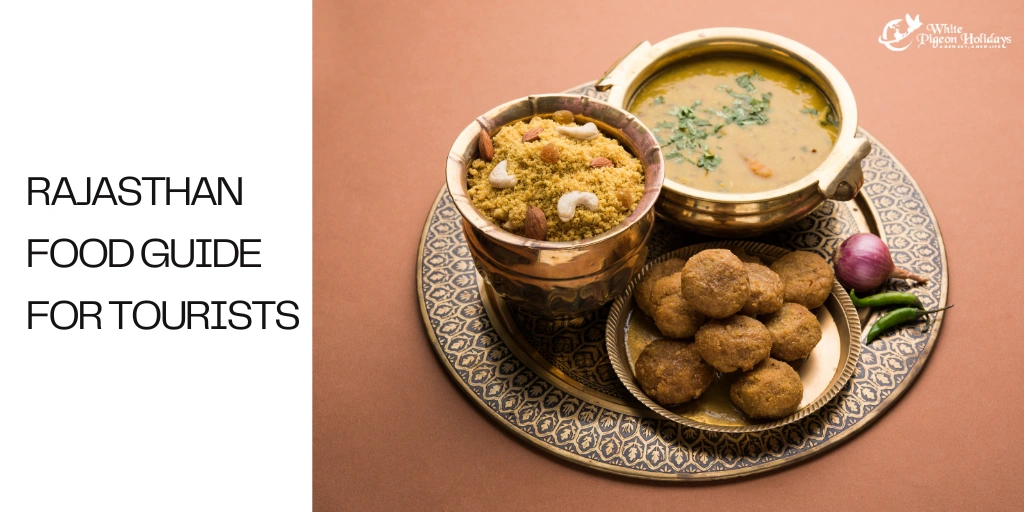
If you enjoy trying local food while traveling, Rajasthan will not disappoint you. You do not have to try every dish on the menu. I will strongly recommend starting with these local favorites because they give you a genuine taste of Rajasthan’s food culture.
🥣 Dal Baati Churma
If you try only one traditional meal in Rajasthan, make it this one. It is filling, authentic, and served across the state.
First-Time Visitors🌶️ Laal Maas
If you enjoy spicy food, you should not miss Laal Maas. Ask the restaurant to adjust the spice level if you prefer milder flavors.
Non-Vegetarian🥘 Gatte Ki Sabzi
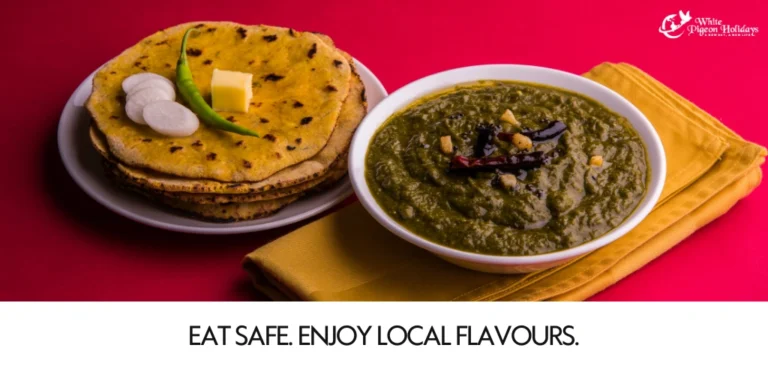
You should try this if you are looking for a traditional vegetarian meal that locals have enjoyed for generations.
Vegetarian🌿 Ker Sangri
You will probably not find this dish outside Rajasthan very often. It gives you a true taste of the desert region.
Desert Speciality🥟 Pyaaz Kachori
You should grab one for breakfast or an evening snack while exploring the local markets.
Street Food🌶️ Mirchi Vada
If you like crispy snacks with a little heat, this is one of the most popular choices across Rajasthan.
Street Food🫓 Bajra Roti with Lehsun Chutney
You can enjoy this simple meal if you want to experience the kind of food many local families still eat.
Traditional Meal🍛 Rajasthani Kadhi
If you prefer lighter meals, this yogurt-based curry is a comforting choice.
Vegetarian🍯 Ghewar
You should definitely save room for dessert because Ghewar is one of Rajasthan’s most famous sweets.
Sweet🥮 Mawa Kachori
If you visit Jodhpur, do not leave without trying this rich dessert filled with sweet mawa and dry fruits.
Jodhpur SpecialMy Recommendation
If you only have a few days in Rajasthan, I will strongly recommend trying Dal Baati Churma, Ker Sangri, Laal Maas, and Ghewar.
Those four dishes alone will give you a great introduction to Rajasthan’s traditional food without trying everything on the menu.
Why Fresh, Hot Food Is Your Best Choice
Many first-time travelers assume that spice is what causes stomach issues in India. In reality, it is usually not the spice — it is the freshness and temperature of food that matters more.
Freshly cooked food served hot is generally one of the safest ways to enjoy local cuisine during your Rajasthan journey.
When you choose fresh, hot meals, you reduce risk and also get a better taste experience.
5 Simple Food Safety Rules I Always Follow in Rajasthan
These are the same habits I follow every time I travel in Rajasthan. They are simple, practical, and make enjoying local food much easier.
1. Drink Only Safe Water
I never drink tap water while traveling.
Instead, I:
- Choose sealed bottled water
- Skip ice in drinks
- Avoid street foods that rely on untreated water, such as pani puri and fresh sugarcane juice
2. Choose Food That Is Served Hot
Freshly cooked food is usually the safest choice.
I always look for dishes that:
- Are cooked to order
- Arrive hot from the kitchen
- Have not been sitting on a buffet for a long time
3. Eat Fruits You Can Peel or Foods That Are Cooked
I avoid uncooked foods unless I can peel them myself.
My usual choices include:
- Bananas and oranges
- Freshly cooked vegetables
- Hot meals prepared to order
4. Eat Where Local People Eat
Busy restaurants usually serve fresher food because ingredients move quickly through the kitchen.
If a restaurant is full of local diners during lunch or dinner, it is often a good sign.
5. Start Mild and Increase the Spice Gradually
You do not need to order the spiciest dishes on your first day.
I usually:
- Ask for less spicy food
- Start with mild dishes
- Try spicier flavors only after a few days
If you are new to Rajasthani cuisine, dishes like Safed Maas, Paneer Butter Masala, and dal are excellent places to start.
What Should You Eat in Rajasthan?
Choosing the right food in Rajasthan is easier than many first-time travelers expect.
Instead of trying every famous dish on day one, focus on meals that are freshly prepared, served hot, and popular with local diners.
The guide below will help you choose food with confidence, so you can enjoy Rajasthan’s cuisine without second-guessing every meal.
| Category | Dish Examples | Why It’s a Safer Bet | Pro Tip |
|---|---|---|---|
| Go-To Staples | Dal Baati Churma, Gatte ki Sabzi, Rajasthani Kadhi | Lentils and gram flour are cooked thoroughly | Order as a thali to taste multiple dishes safely |
| Well-Cooked Meats | Safed Maas, Banjara Murgh, Kebabs | Slow-cooked or grilled at high heat | Choose restaurants over roadside stalls |
| Trusted Street Snacks | Pyaz Kachori, Mirchi Bada | Deep-fried fresh and very hot | Watch it being fried before ordering |
| Sweet Endings | Ghewar, Mawa Kachori | Sugar and ghee reduce bacterial growth | Buy from known sweet shops |
| Drinks | Chai, Lassi (no ice) | Boiling makes chai safe | Always say “NO ICE” clearly |
When I’m in Jaipur, I buy sweets from established places like Laxmi Mishthan Bhandar rather than open carts. The quality and hygiene standards are simply better.
Simple Habits That Help You Stay Healthy in Rajasthan
Enjoying Rajasthan’s food is not only about choosing the right dishes. A few simple habits can make your trip much more comfortable.
What I Always Pack
I never travel without:
- Hand sanitizer
- Antibacterial wipes
- Basic stomach medicine
- ORS (oral rehydration salts)
Small Habits That Make a Big Difference
I also make it a point to:
- Wash or sanitize my hands before every meal
- Drink plenty of bottled water, especially during desert travel
- Start with smaller meal portions if I am trying unfamiliar dishes
- Choose vegetarian meals when I am unsure about a restaurant
Rajasthan is one of the easiest places in India to enjoy excellent vegetarian food, giving you plenty of delicious options while helping you travel with greater confidence.
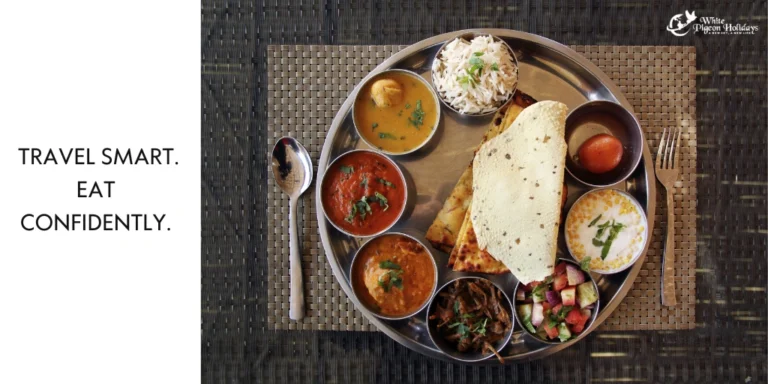
Which Local Foods Should You Try While Visiting Rajasthan?
If you enjoy trying local food while traveling, Rajasthan will not disappoint you. You do not have to try every dish on the menu. I will strongly recommend starting with these local favorites because they give you a genuine taste of Rajasthan’s food culture.
🥣 Dal Baati Churma
If you try only one traditional meal in Rajasthan, make it this one. It is filling, authentic, and served across the state.
First-Time Visitors🌶️ Laal Maas
If you enjoy spicy food, you should not miss Laal Maas. Ask the restaurant to adjust the spice level if you prefer milder flavors.
Non-Vegetarian🥘 Gatte Ki Sabzi
You should try this if you are looking for a traditional vegetarian meal that locals have enjoyed for generations.
Vegetarian🌿 Ker Sangri
You will probably not find this dish outside Rajasthan very often. It gives you a true taste of the desert region.
Desert Speciality🥟 Pyaaz Kachori
You should grab one for breakfast or an evening snack while exploring the local markets.
Street Food🌶️ Mirchi Vada
If you like crispy snacks with a little heat, this is one of the most popular choices across Rajasthan.
Street Food🫓 Bajra Roti with Lehsun Chutney
You can enjoy this simple meal if you want to experience the kind of food many local families still eat.
Traditional Meal🍛 Rajasthani Kadhi
If you prefer lighter meals, this yogurt-based curry is a comforting choice.
Vegetarian🍯 Ghewar
You should definitely save room for dessert because Ghewar is one of Rajasthan’s most famous sweets.
Sweet🥮 Mawa Kachori
If you visit Jodhpur, do not leave without trying this rich dessert filled with sweet mawa and dry fruits.
Jodhpur SpecialMy Recommendation
If you only have a few days in Rajasthan, I will strongly recommend trying Dal Baati Churma, Ker Sangri, Laal Maas, and Ghewar.
Those four dishes alone will give you a great introduction to Rajasthan’s traditional food without trying everything on the menu.
You Can Enjoy Rajasthan's Food Without Worry
I understand the fear. I’ve had it.
But I’ve also learned this: skipping Rajasthan’s food means missing its soul.
When you make smart choices—hot food, busy places, bottled water—you don’t just eat safely.
You eat well.
Rajasthan’s cuisine tells stories of survival, celebration, and hospitality, and it deserves a place in your journey.
Ready to enjoy Rajasthan’s royal flavors without worry?
Download my complete Food Safety Guide, or explore our curated culinary tours that take you to the safest and most memorable eating spots with expert local guidance.
Frequently Asked Questions
Answers to the most common food safety questions from Western travelers visiting Rajasthan.
01Is it safe for Western travelers to eat local food in Rajasthan?
Yes. Freshly cooked food from clean, busy restaurants is generally a safe choice for most travelers.
02Will spicy food upset my stomach?
Spice alone is not usually the problem. Food hygiene and water quality matter much more.
03Can I drink tap water in Rajasthan?
No. Always choose sealed bottled water or properly filtered water.
04Should I avoid street food completely?
Not necessarily. Choose vendors with high turnover that cook food fresh in front of you.
05Is vegetarian food safer than meat?
Vegetarian dishes are often a good option, especially if they are freshly prepared and served hot.
06What are the safest first dishes to try?
Dal, paneer dishes, fresh rotis, and mild curries are excellent starting points.
07Can I eat salads?
Only if you trust the restaurant. Cooked vegetables are usually the safer choice.
08Is ice safe in drinks?
If you are unsure about the water source, skip the ice.
09What snacks should I carry?
Pack nuts, crackers, or energy bars for long drives.
10How do I know if a restaurant is trustworthy?
Busy restaurants with good reviews and local customers are usually reliable.
11Should I carry stomach medicine?
Yes. A small travel health kit is always a good idea.
12What should I do if I have food allergies?
Tell the restaurant clearly before ordering and carry any required medication.
13Can I eat dairy products?
Yes, from reputable restaurants and hotels that maintain good hygiene.
14Are buffets safe?
Choose buffets where the food is hot and frequently replenished.
15What fruits are safest?
Bananas, oranges, and other fruits you can peel yourself.
16Is Rajasthan good for vegetarian travelers?
Absolutely. Rajasthan offers a wide range of excellent vegetarian dishes.
17How much water should I drink?
Drink bottled water regularly, especially during hot weather.
18Should I avoid very spicy dishes on my first day?
Yes. Start with mild dishes and gradually try stronger flavors.
19What is the biggest food mistake first-time visitors make?
Ignoring hydration and eating from places with poor hygiene.
20What is your best food safety tip?
Choose freshly cooked meals, drink safe water, and eat where local families eat.