Delhi
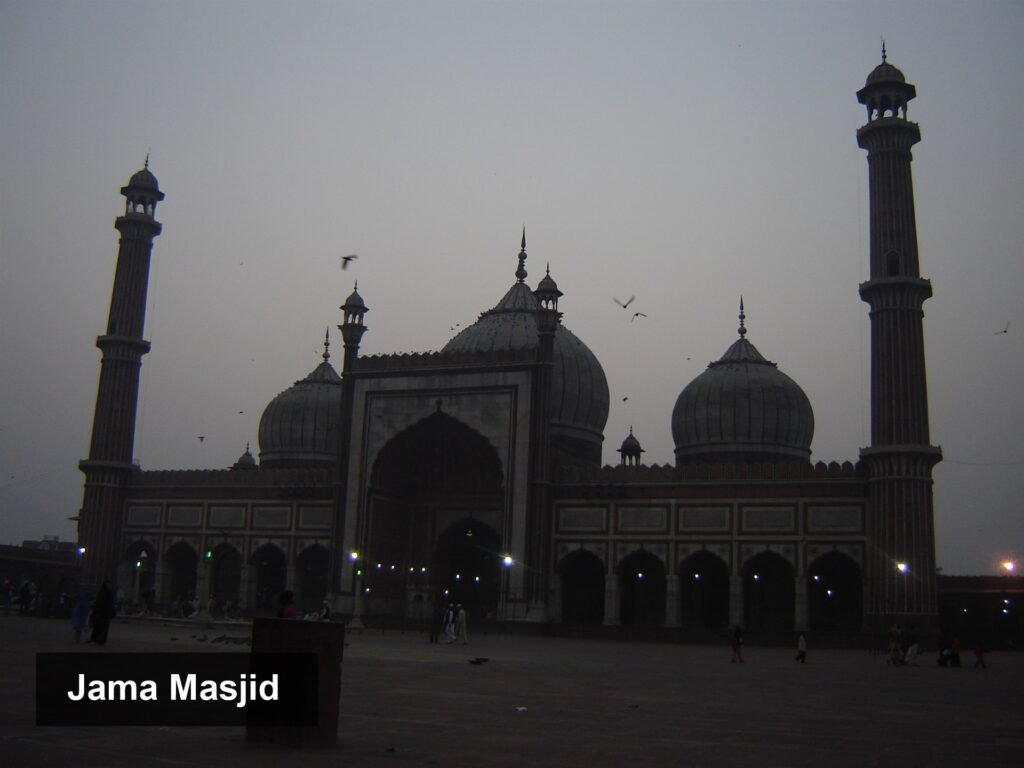
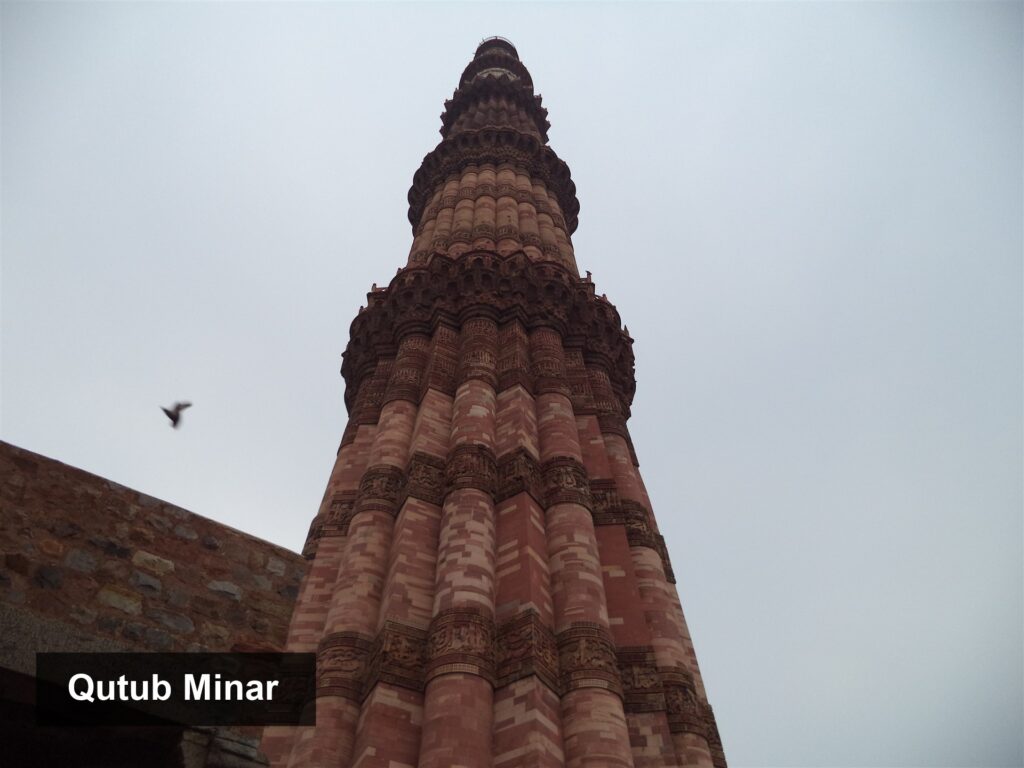
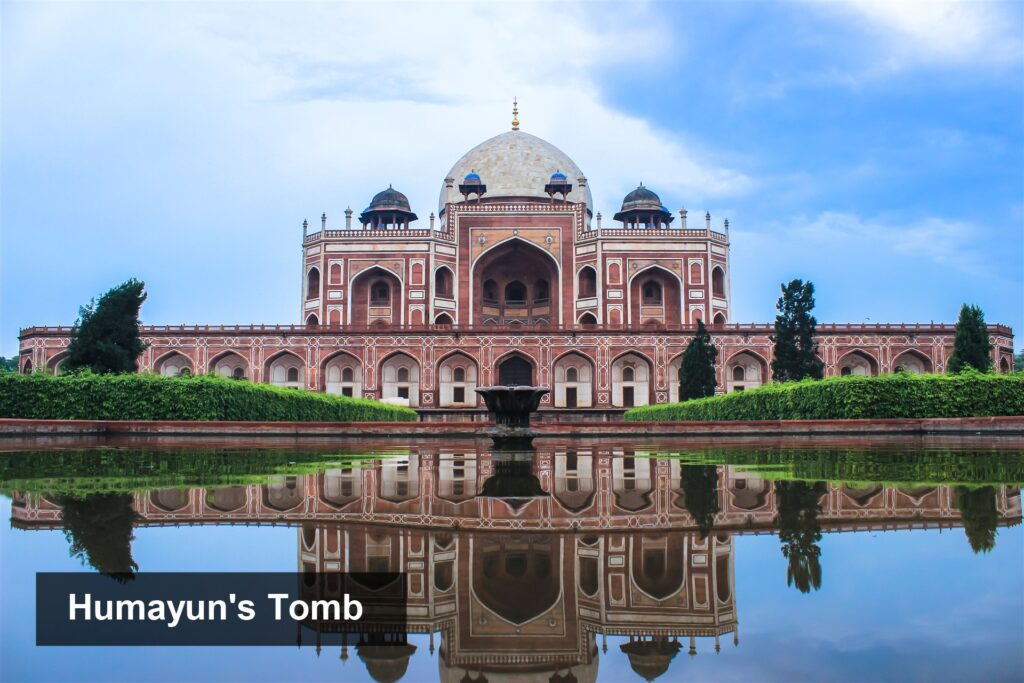
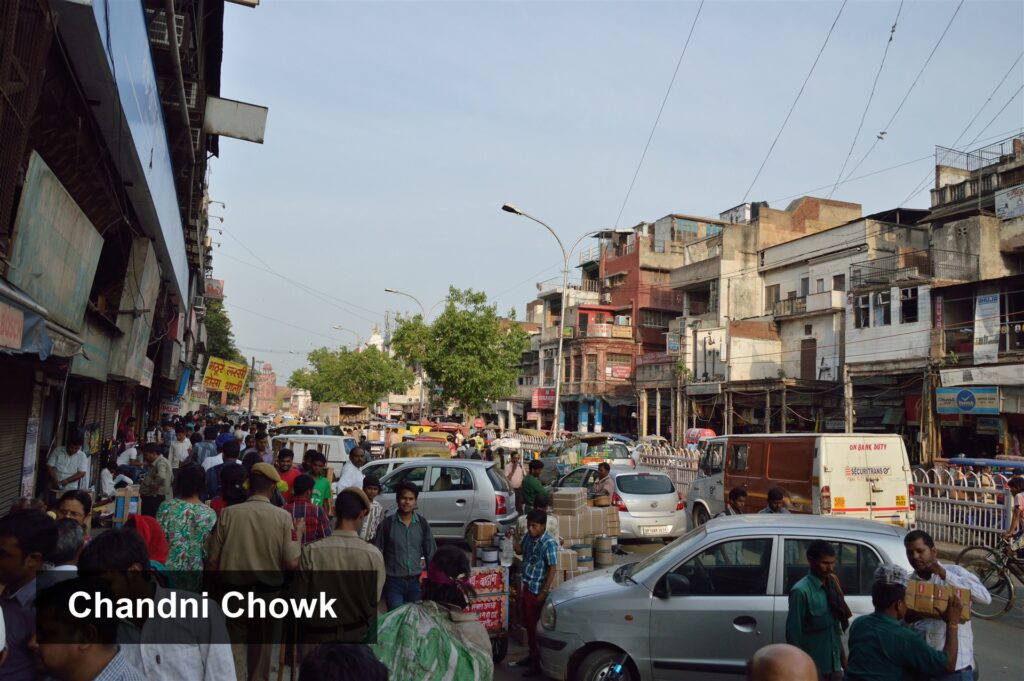
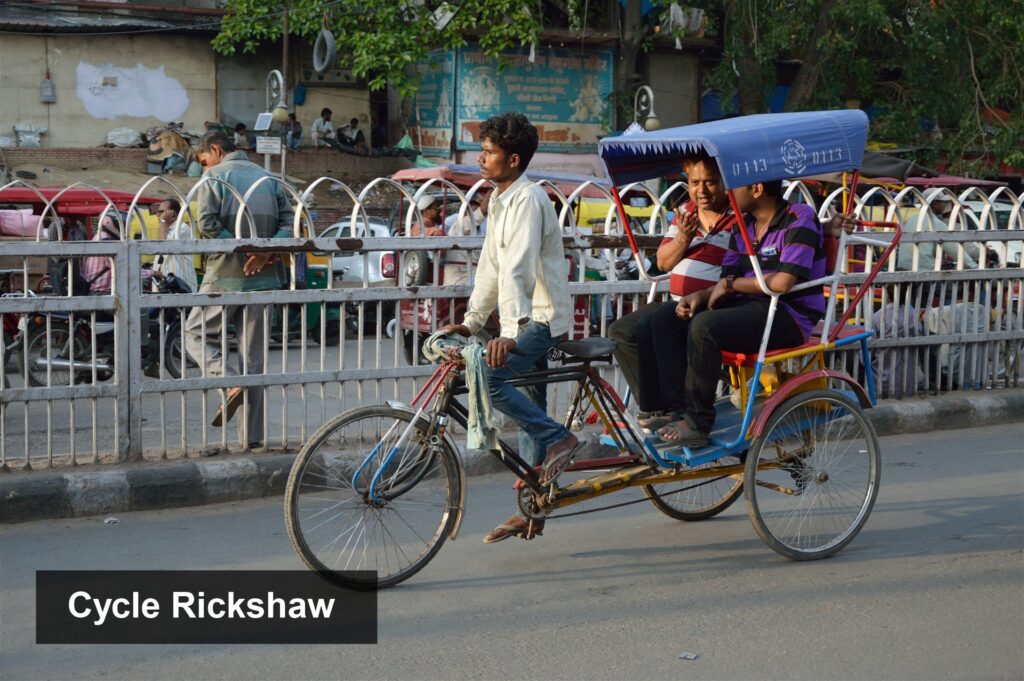
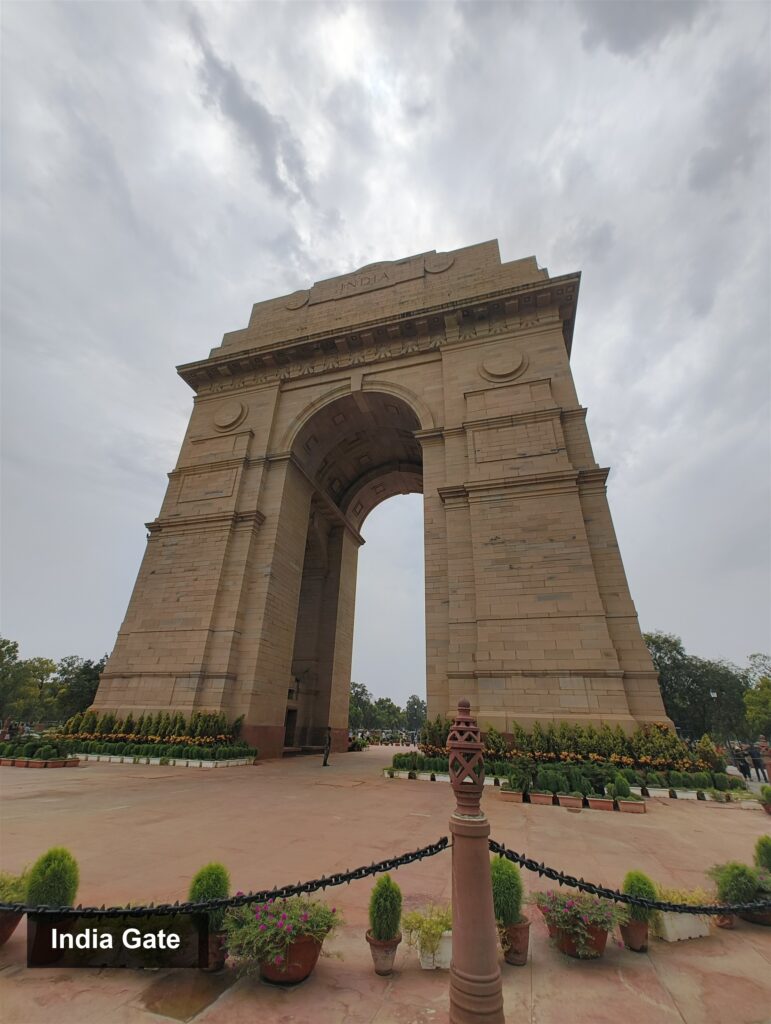
India's capital is big, chaotic, and genuinely interesting. Old Delhi gives you Jama Masjid, Chandni Chowk's street food lanes, and a cycle rickshaw ride through narrow bazaars. New Delhi has India Gate, Humayun's Tomb, and Qutub Minar.
The most popular India route for American first-time visitors. Three cities. Mughal forts, the Taj Mahal, royal Rajput palaces. 7–10 days is all you need.
The Golden Triangle connects three cities in North India — Delhi, Agra, and Jaipur — in a roughly triangular route.
It is the most traveled circuit in India, and for good reason: you get the capital, the Taj Mahal, and the Pink City in one trip, without scattering across the country.
For Americans visiting India for the first time, this route makes sense. The cities are well-connected, the sightseeing is concentrated, and you can do it comfortably in 7–10 days of India time — which fits most US vacation schedules once you account for the long-haul flight.
The route gives you three very different sides of India without stretching your trip across too many destinations.
The Golden Triangle gives you three very different sides of North India. Delhi is energetic and layered, Agra is defined by its Mughal heritage, and Jaipur brings royal architecture, colour and a slower pace.
India's capital is big, chaotic, and genuinely interesting. Old Delhi gives you Jama Masjid, Chandni Chowk's street food lanes, and a cycle rickshaw ride through narrow bazaars. New Delhi has India Gate, Humayun's Tomb, and Qutub Minar.


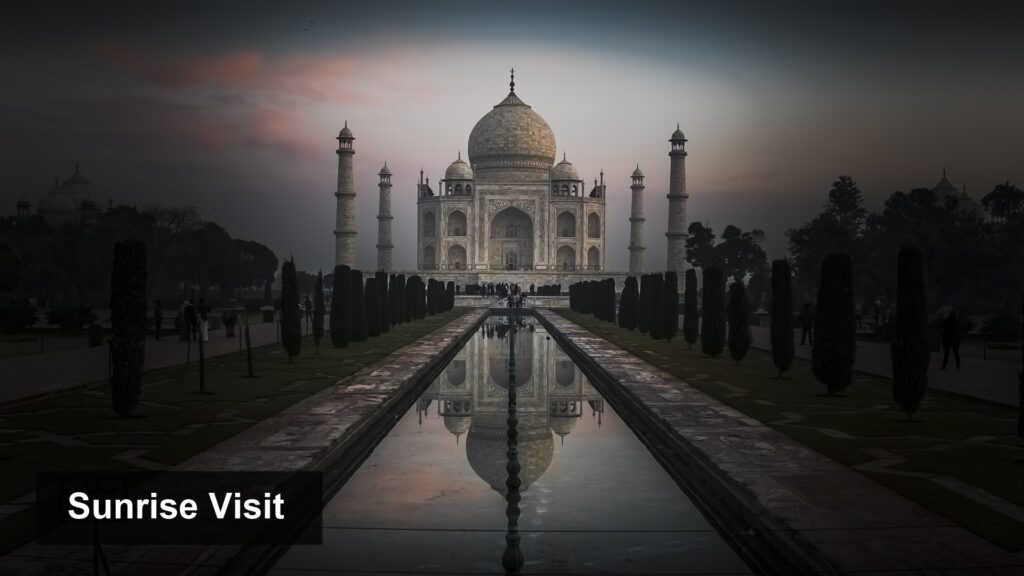
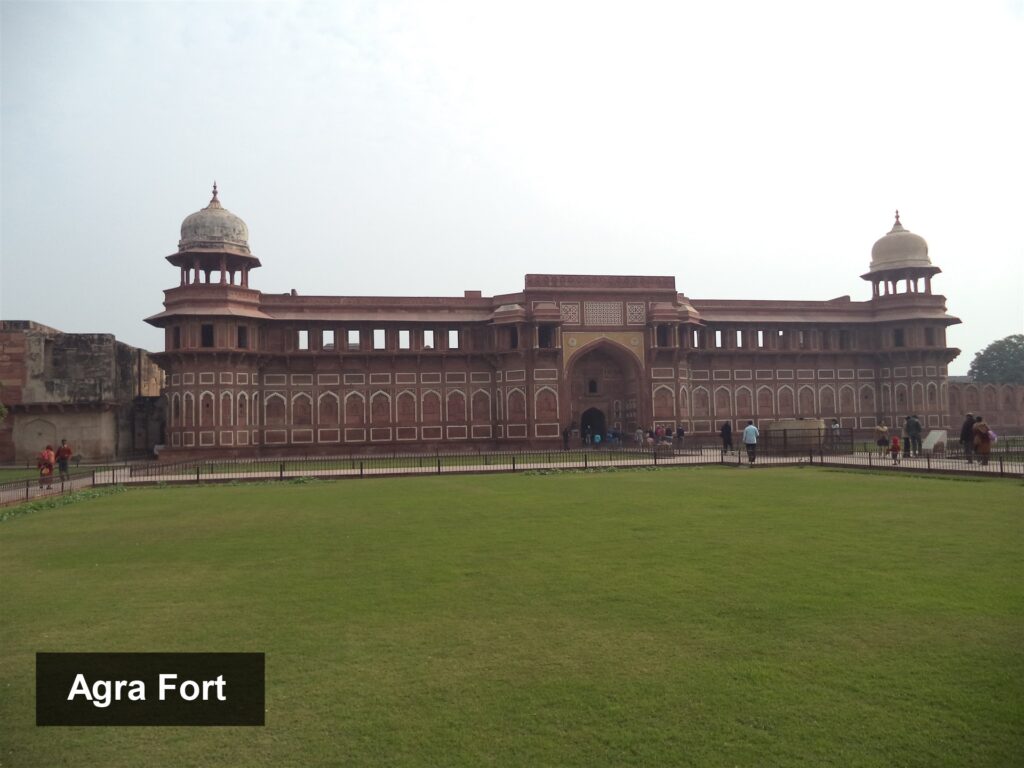
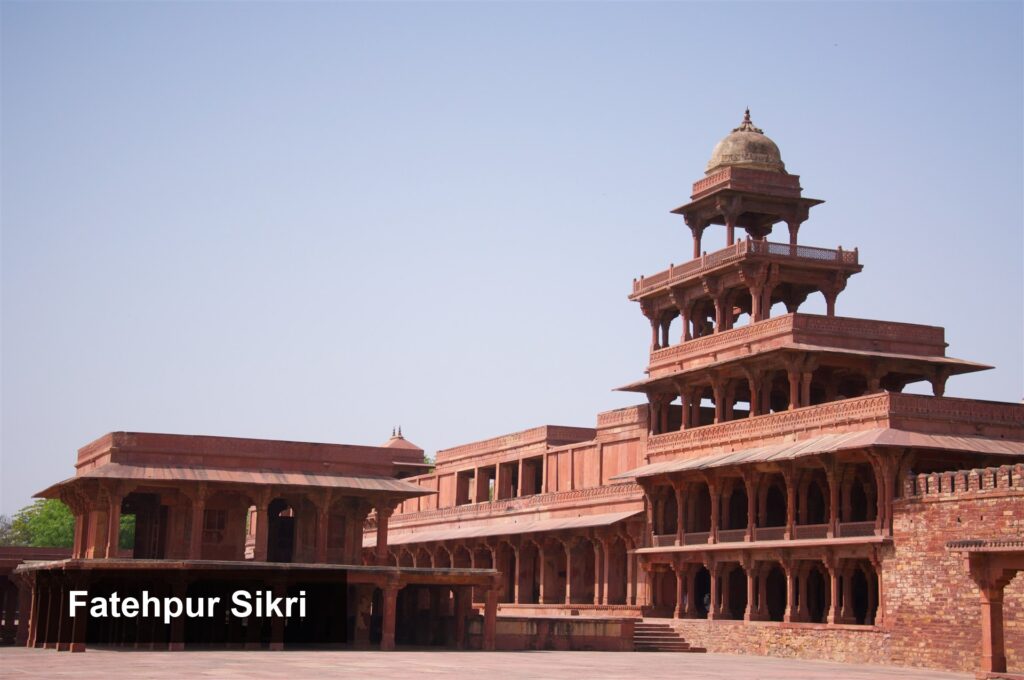
The Taj Mahal. You've seen it in photos, but it still stops people cold in person, especially at sunrise when the light hits the white marble. Beyond the Taj, Agra Fort and the nearby ruins at Fatehpur Sikri are worth your time.


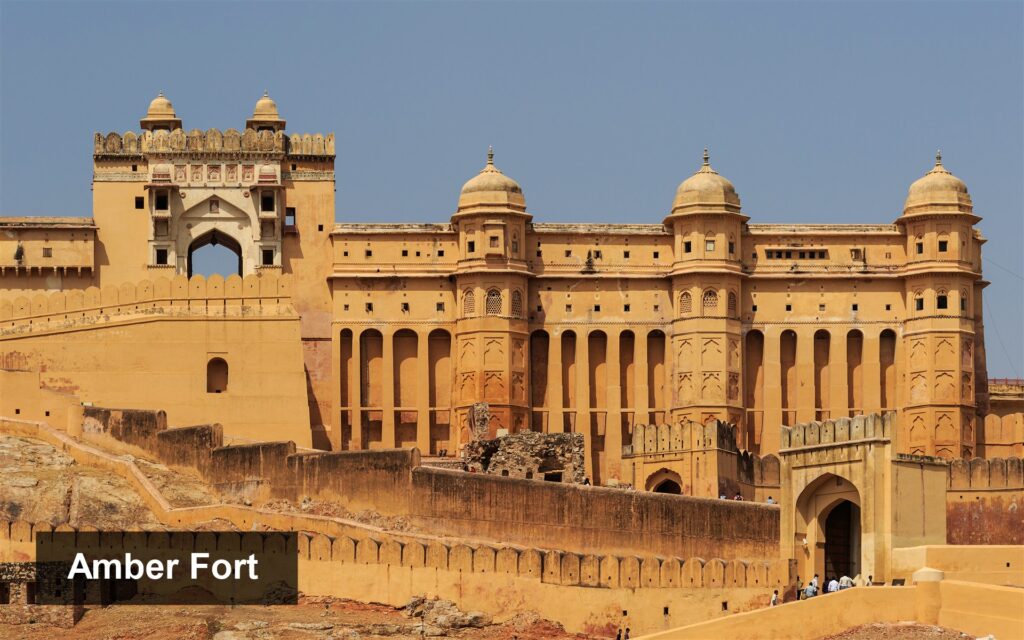
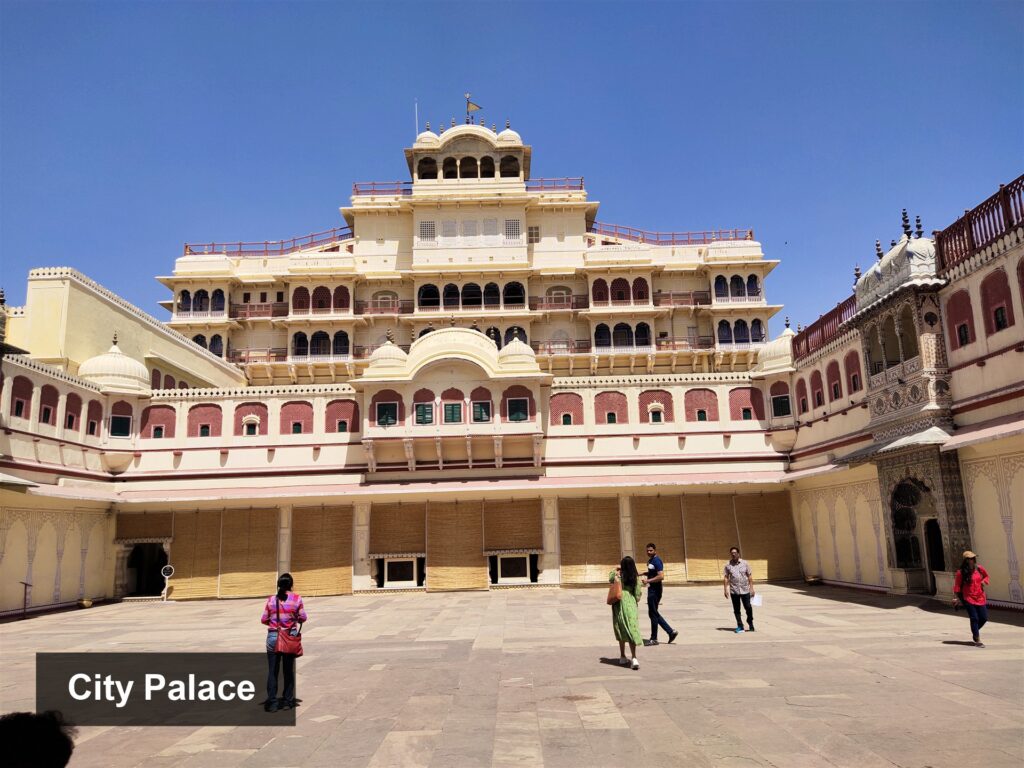
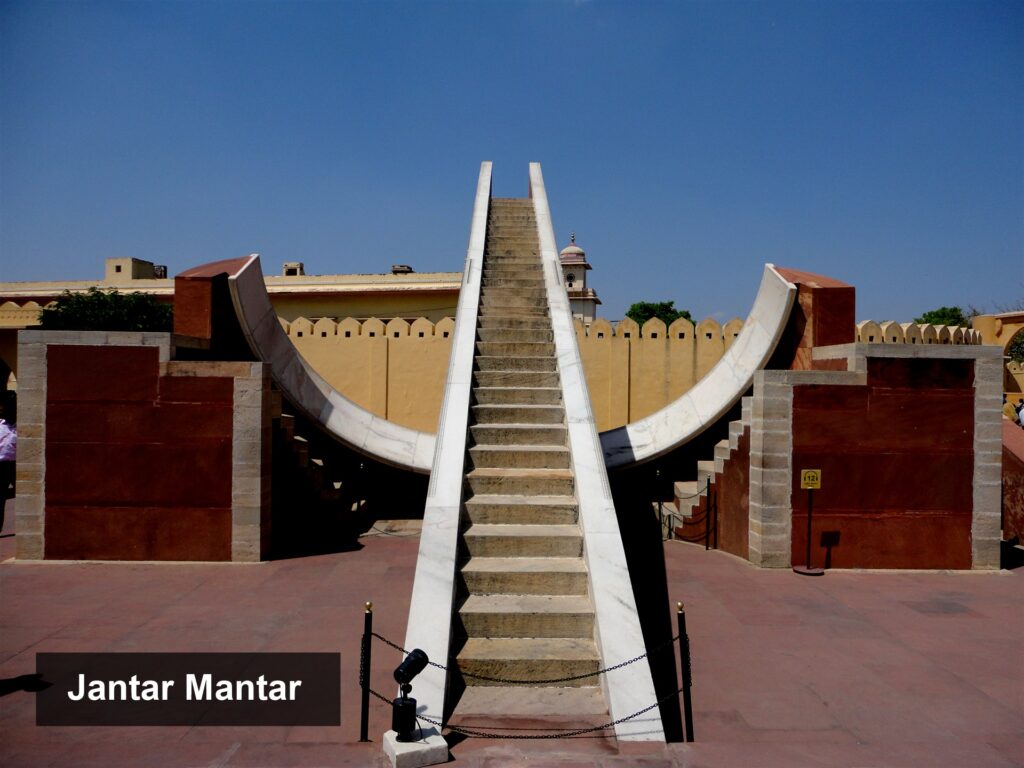
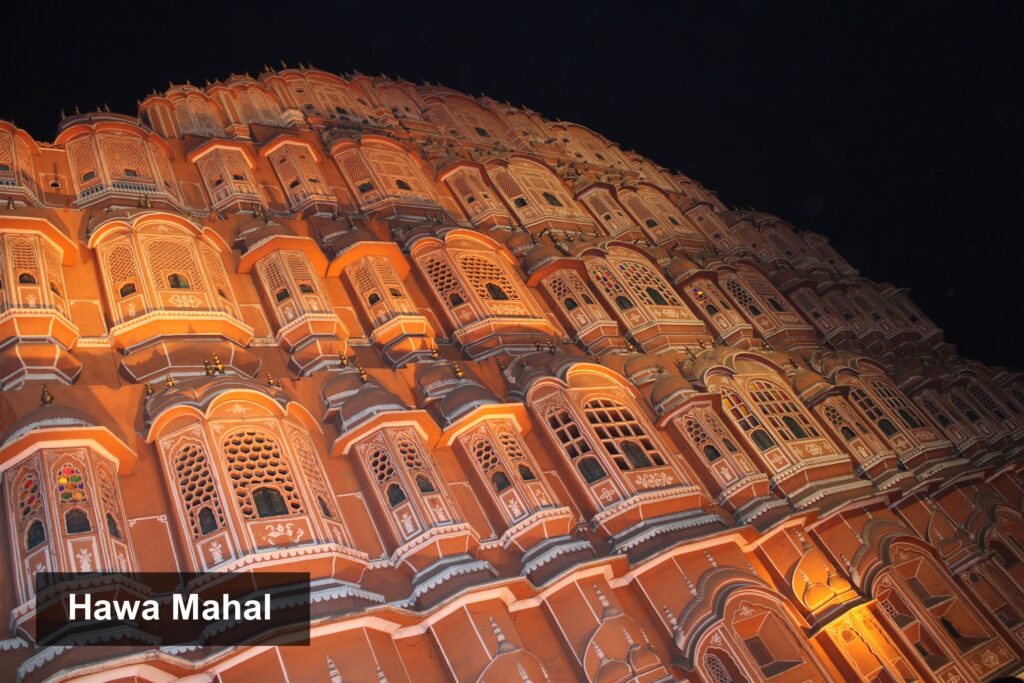
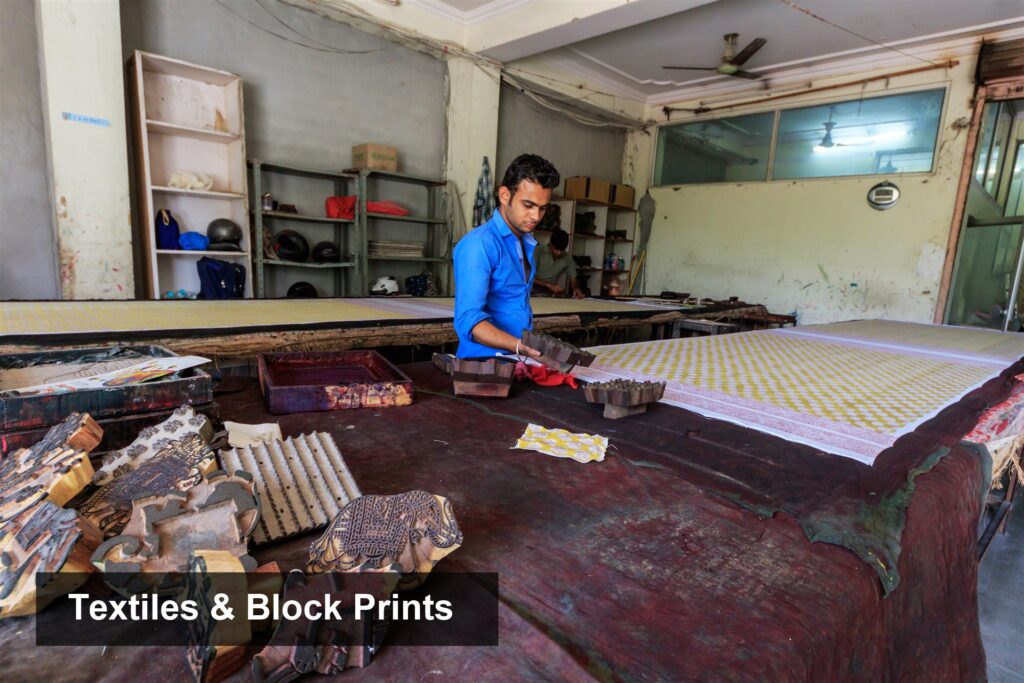
The Pink City sits at a different pace. Amber Fort is the highlight, followed by the City Palace, Hawa Mahal, and Jantar Mantar. Jaipur is also where most people do their shopping, with textiles, gems, and block prints everywhere.


The Golden Triangle can work well in one week, but giving yourself a few extra days creates more breathing room and makes the journey easier on arrival from the USA.
Seven days gives you enough time to see Delhi, Agra and Jaipur without feeling rushed through the main highlights.
Ten days gives you a slower pace, space for a day trip, or room to add an extension.
Most Americans find that 8–10 days works well when accounting for jet lag on arrival day. India runs 9.5 to 12.5 hours ahead of US time zones.
Your total time in India determines how much space you have for the core route and additional experiences.
| Days in India | What it covers |
|---|---|
| 01 7 days | Core Golden Triangle Delhi, Agra, Jaipur |
| 02 9–10 days | Golden Triangle + Ranthambore tiger safari or Varanasi |
| 03 12–14 days | Golden Triangle + two extensions: Rishikesh, Udaipur, or both |
October through March is when you want to be here. November to February is the sweet spot, with mild temperatures, blue skies, and the best visibility for the Taj Mahal.
November, December, and February are the most comfortable months to travel when your dates are flexible.
From Delhi to Agra and Jaipur, the October through March period gives you the most comfortable conditions for sightseeing.
BEST VISIBILITY November - FebruaryDelhi and Agra regularly reach 110°F during this period. The intense heat can make daytime sightseeing difficult.
Humidity, disrupted travel, and fog can make sightseeing less predictable across the Golden Triangle.
Dry, clear conditions make this the peak travel period. Temperatures are more comfortable for exploring the major sights.
These are the most comfortable months to travel according to the planning guide for this route.
Honestly, yes. For a first trip to India, this route gives you a lot of variety without spreading your time across too many destinations.
The Taj Mahal alone is worth the trip for many people. But what surprises most American visitors is how different all three cities feel.
01
Fast and urban. The capital gives you a busy, layered introduction to India, from Old Delhi streets to major historic landmarks.
02
History-heavy and a bit rough around the edges. The Taj Mahal anchors the stop, with Agra Fort adding more depth to the Mughal story.
03
More relaxed, colourful, and easier to walk around. It adds royal architecture, markets, textiles, gems, and traditional block prints.
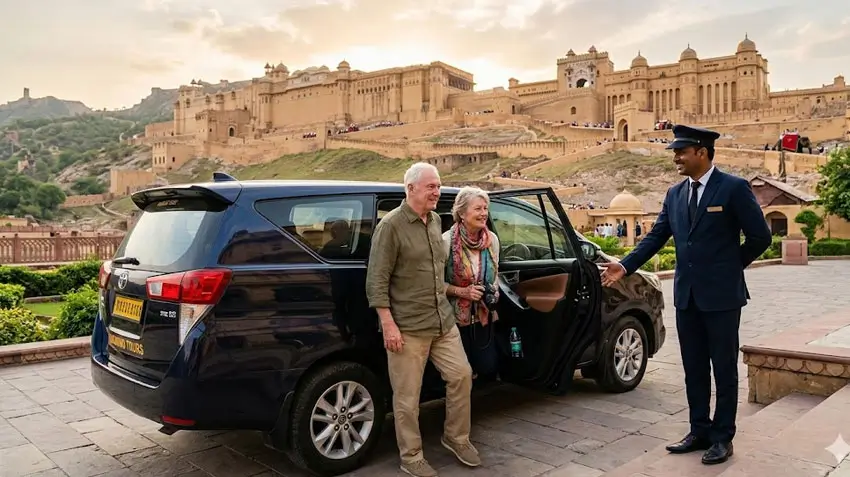
Safety, food, and getting scammed are concerns many first-time travelers have before visiting India. Booking a private tour with a reputable company means you have a driver, a guide, and someone to call if anything goes sideways.
That peace of mind can make a big difference on a first India trip.
Talk to one of our India specialists. We'll walk you through the itinerary, timing, and what's right for your travel style, with no pressure and no sales pitch.
The Golden Triangle is particularly practical when you want to experience India's major highlights without trying to cover too much ground on your first visit.
The Golden Triangle is one of India's most visited routes for international travelers. A few practical points are worth knowing before you go.
Scams, food and water, and health are the main practical concerns worth planning for on a first India trip. Knowing what to expect can make your days more comfortable and predictable.
01
Gem investment schemes are common in Jaipur. Touts near monuments may also approach you. A private guide can keep most of these interactions at arm's length.
02
Drink bottled water only. Street food can be tempting, so busy stalls are a better choice when you decide to try it.
03
Speak with your doctor before travel about the vaccines and health precautions that may be appropriate for your trip. Hepatitis A and Typhoid are among the travel health considerations listed by the CDC for India.
The current U.S. travel advisory for India is Level 2: Exercise Increased Caution. Check travel.state.gov before you go for the latest advisory and destination-specific information.
A reputable operator, private vehicle, and experienced guide can make the practical side of a first India trip much easier to manage.
Yes. US citizens need an India e-Tourist Visa before arrival. The process is completed online before your trip.
For a tourist trip, you should arrange your India e-Tourist Visa before arriving in the country. The application is handled online through the official India Visa Online portal.
TOURIST ENTRY
Complete your application through indianvisaonline.gov.in.
e-Visa fees vary by country or territory and by the visa service selected.
Your Electronic Travel Authorization is sent to the email address used in your application.
Foreign nationals can submit the e-Arrival Card online within 72 hours before arriving in India.
Check these details before submitting the application.
Your passport should have at least six months validity when you apply for the e-Visa.
Keep your passport bio page and required application information ready for upload.
Each traveler needs the appropriate travel document and visa arrangement.
India's visa requirements and fees can change. Always verify the latest requirements on the official Indian government visa portal or the U.S. Embassy in India before you apply.
The overall cost of your Golden Triangle trip depends on the type of accommodation, transportation, sightseeing, trip length, and level of private service you choose.
Your hotel category, vehicle, guides, sightseeing pace, and trip length all shape the final cost of your India journey.
Costs vary depending on the type of trip you choose. A private journey gives you more control over timing, pace, sightseeing, transportation, and accommodation.
Hotel category and location can make a significant difference to the overall trip cost.
A private vehicle allows you to travel between Delhi, Agra, and Jaipur at your own pace.
Private guides, monument visits, cultural experiences, and additional activities can change the final itinerary cost.
Adding extra nights or extending the journey beyond the core Golden Triangle increases the overall trip cost.
Airfare depends on your US departure city, travel dates, airline, booking timing, and cabin choice.
Private tours cost more than group tours, but they give you greater flexibility with timing, pace, and sightseeing. For a first India trip, that flexibility can make it easier to adjust the day as you travel.
The Golden Triangle is a solid base. These extensions give you a way to add wildlife, spirituality, yoga, or a slower Rajasthan experience when you have extra days.
Most people add one extension at most. You do not need to cram all four into one trip.
Add a tiger safari and experience a very different side of Rajasthan beyond its forts, palaces, and historic cities.
TIGER SAFARI
Experience one of India's most spiritually significant cities and attend the Ganga Aarti ceremony on the ghats.
GANGA AARTI
Slow the journey down with yoga, the Ganges, and a completely different pace from Delhi, Agra, and Jaipur.
YOGA & GANGES
Spend time around the lake palaces, enjoy a quieter Rajasthan city, and take in the scenery around Lake Pichola.
LAKE PALACES & SCENERY
The right add-on depends on what you want from your extra days. Wildlife, spiritual experiences, yoga, or a quieter Rajasthan stay can each change the character of the journey.
Keep your itinerary, travel documents, and preparation notes together in one place.
Get a practical starting point for planning your Golden Triangle trip from the USA. The guide brings the key planning details together in one place.
7-day sample itinerary
Packing list
Visa checklist
Tips from India specialists
Planning guide resource requires confirmation before publishing.
Use the guide as a practical reference while deciding your itinerary, travel dates, preparation checklist, and next steps.
A few practical answers to the questions American travelers commonly have before planning a Golden Triangle trip.
Delhi, Agra, and Jaipur form the classic Golden Triangle circuit in northern India.
October to March. November to February is ideal because the weather is cool, clear, and comfortable. April to June brings extreme heat, while July to September is monsoon season.
Seven days is the minimum. Nine to ten days is more comfortable, especially when you are dealing with jet lag. Add around two days for each extension destination.
Yes. Apply for an India e-Tourist Visa online before you travel. It takes about 72 hours to process and costs $25 to $80, according to the planning information used for this page.
Generally yes. The Golden Triangle is well-traveled and tourist-friendly. Book through a reputable operator, use a private vehicle, and stay aware of common tourist scams, particularly gem schemes in Jaipur.
Group tours are cheaper but run on fixed schedules. Private tours give you your own vehicle, driver, and guide, with more flexibility and support during the trip.
No. Stick to sealed bottled water throughout your trip. This also applies to ice. Reputable hotels and restaurants use filtered ice, but it is worth checking.
October to March
Seven days
Sealed bottled water
White Pigeon Holidays operates private Golden Triangle tours for American and British travelers. Tours include English-speaking guides, private air-conditioned vehicles, and vetted accommodations.
✈️ Special Offer
Get FREE Personalised Trip Plan!
Tell us your dream destination — we'll plan it for free
Our travel expert will call you within 24 hours with a customised itinerary 🗺️
📅 Travel Month
🔒 No spam. Your details are 100% safe with us.