Is Kerala Food Safe for Western Travelers?
Yes, travelers can enjoy Kerala's local cuisine while taking sensible food and water precautions.
Food safety depends more on preparation, handling, storage and drinking-water quality than on the name of a dish or the type of restaurant.
Choose thoroughly cooked meals served hot, drink water from a reliable source, and be careful with raw foods, ice and dishes left at room temperature.
You don't need to avoid Kerala's traditional cuisine. You need to know what to check before ordering.
Focus on how food is prepared, stored and served. A freshly cooked meal served hot and drinking water from a reliable source are practical starting points for safer eating.
What This Guide Covers
Traditional dishes to try and what to check before ordering.
How to assess cooking, handling and food freshness.
Raw foods, ice and items left at room temperature.
Reliable drinking water and everyday hygiene precautions.
What common local dishes contain and how to choose them.
Five Simple Habits That Help Me Eat with Confidence in Kerala
1. Be Careful with Drinking Water
If there is one food safety rule I never ignore in Kerala, it is this one.
I do not drink tap water, even in good hotels. I always choose sealed bottled water and check that the seal has not been broken before opening it.
I also avoid ice unless I am dining at a reputable hotel or restaurant where I know it is made from purified water.
Even when brushing my teeth, I prefer using bottled water. It is a simple habit that gives me extra peace of mind throughout the trip.
In my experience, following this one rule prevents most of the food and water concerns that first-time travelers worry about. It takes very little effort and can make a big difference to your overall travel experience.
2. Choose Freshly Cooked, Hot Meals
One of the easiest ways to enjoy Kerala’s food with confidence is to order dishes that are freshly prepared and served hot.
Most traditional Kerala meals, especially curries, grilled seafood, and breakfast dishes, are cooked thoroughly and brought to the table straight from the kitchen.
I do, however, avoid foods that have been sitting out for a long time, such as:
- Uncovered food at roadside stalls.
- Buffet dishes that have been sitting for hours.
- Sauces or condiments that do not appear freshly prepared.
My rule is simple: if the meal arrives hot and freshly cooked, I am usually happy to order it.
It is an easy habit to follow and one that has served me well on every trip to Kerala.
Traditional Kerala Food for Western Travelers
Kerala’s cuisine is fresh, flavorful, and surprisingly approachable for first-time visitors. While some dishes are spicy, many are mild, comforting, and easy to enjoy, making Kerala one of the best places in India to experience local food.
What Makes Kerala Cuisine Unique?
- Fresh coconut is used in curries, chutneys, and desserts.
- Seafood is widely available along Kerala’s coastline.
- Rice is the staple food instead of wheat.
- Many traditional dishes are naturally gluten-free.
- Meals are prepared with fresh herbs, spices, and locally grown vegetables.
Good to Know Before You Order
- Most hotels can prepare dishes with less spice if you ask.
- Breakfast options are usually mild and easy to digest.
- Freshly cooked meals are generally the best choice.
- Vegetarian options are available almost everywhere.
- Seafood is often caught locally and served fresh.
Beginner-Friendly Traditional Dishes
Appam with Vegetable Stew
Soft rice pancakes served with a mild coconut-based vegetable stew.
Kerala Fish Curry
A flavorful curry prepared with fresh local fish and traditional spices.
Puttu with Kadala Curry
Steamed rice cakes served with a gently spiced black chickpea curry.
Malabar Parotta
A flaky flatbread that pairs perfectly with mild curries.
Kerala-Style Grilled Fish
Fresh fish marinated with local spices and grilled to order.
Our recommendation: If this is your first visit to Kerala, begin with these dishes. They provide a wonderful introduction to Kerala’s food culture without overwhelming unfamiliar tastes, and they are commonly available at good restaurants and hotels.
3. If I Cannot Peel It, I Usually Skip It
Fresh fruit is one of the best parts of traveling in Kerala, but I follow one simple rule.
If I can peel it myself, I am happy to eat it.
Fruits such as bananas, oranges, and other fruits with a natural protective skin are generally a safe choice because you remove the outer layer yourself before eating.
On the other hand, I usually avoid:
- Raw salads from roadside stalls.
- Pre-cut fruit that has been sitting out.
- Fruit that has already been peeled or prepared by unknown vendors.
This is not because these foods are always unsafe. It is simply an easy habit that reduces unnecessary risk and lets me enjoy local produce with greater confidence throughout the trip.
4. Busy Restaurants Are Usually a Better Choice
This surprises many first-time visitors, but a busy restaurant is often a very good sign.
When local people are eating there and tables are turning over quickly, the food is usually prepared fresh throughout the day.
That is often a better indicator of quality than choosing a place simply because it looks attractive or quiet.
When deciding where to eat, I usually look for:
- Restaurants that are popular with local families.
- Places where food is cooked and served continuously.
- Busy kitchens with a steady flow of customers.
If I am ever unsure, I ask someone who knows the area well.
My favorite question is:
“Where would you eat if you were dining with your family?”
Whether it is the hotel staff or my driver, that recommendation has consistently led me to some of the best and most reliable meals in Kerala.
5. Mild Options Are Easy to Find
Kerala cuisine is not designed to overwhelm you with heat. It is built on balanced flavors like coconut, curry leaves, black pepper, and ginger.
If you prefer gentle flavors, just say:
“Less spicy, please.”
Most restaurants are very familiar with this request and will adjust the dish without any issue.
What I Personally Eat in Kerala (and Recommend to First-Time Visitors)
This is the point where concern usually turns into curiosity.
Kerala cuisine is diverse, fresh, and very approachable once you know what to choose. Most first-time travelers end up enjoying it more than they expect.
Here are some safe, popular, and easy-to-enjoy dishes I often suggest when someone is visiting for the first time.
Mornings are the easiest win
What Should You Eat for Breakfast in Kerala?
If you are trying Kerala food for the first time, breakfast is the easiest place to start.
Most traditional breakfasts are light, freshly prepared, and much milder than many travelers expect.
Appam with Stew
Soft rice pancakes served with a creamy coconut-based vegetable stew.
If you ask me where to start, this would be my first recommendation because it is light, comforting, and easy for most Western travelers to enjoy.
Idiyappam with Fish Moilee
Steamed rice noodles served with a mild coconut fish curry.
You get authentic Kerala flavors without overwhelming spices, making it a great choice for your first few days.
Dosa with Sambar
Crispy dosa is one of the easiest dishes to enjoy if you are trying South Indian food for the first time.
Most hotels prepare it fresh every morning, and you can always ask for a milder sambar if you prefer.
A Simple Tip Before You Order
Most good hotels across Kerala serve these breakfasts every morning.
If you are unsure what to order on your first day, start with one of these dishes before trying stronger regional flavors later in your trip.
Lunch and Dinner: Don’t Overthink It
Kerala curries may look rich, but most dishes are balanced, coconut-based, and surprisingly mild for first-time visitors.
Street Food: Yes, But Do It Wisely
I do eat street food in Kerala, but I’m selective. The key is choosing fresh, hot, and high-turnover places.
• Food that looks pre-handled or reheated too many times
• Anything not served hot and fresh
What Food Should Tourists Eat or Avoid in Kerala?
You can enjoy many traditional Kerala dishes. The important consideration is how food is prepared, stored and served.
| Food or Drink | Practical Recommendation |
|---|---|
| Appam, dosa, idli and puttu | Prefer freshly prepared portions served hot |
| Kerala fish curry | Choose properly cooked fish served hot |
| Grilled seafood | Avoid undercooked seafood |
| Vegetarian sadya | Check that prepared dishes are stored and served appropriately |
| Fresh fruit | Choose fruit you can wash with safe water and peel yourself |
| Raw salads and pre-cut fruit | Be cautious when washing water or storage conditions are uncertain |
| Street-food snacks | Prefer freshly cooked food; avoid items left uncovered |
| Drinking water | Use factory-sealed bottled water or appropriately treated water |
| Ice and fresh juices | Check the water source and preparation hygiene |
| Buffet meals | Avoid food that has been held at unsafe temperatures |
What If You Get an Upset Stomach During Your Trip?
Foodborne illness can happen even when you're careful.
If you develop diarrhea, focus on preventing dehydration with safe fluids and an appropriately prepared oral rehydration solution.
Seek medical advice promptly if you experience bloody diarrhea, significant dehydration, persistent fever, severe symptoms or difficulty keeping fluids down.
Travelers with existing health conditions should seek appropriate medical advice before their trip.
How to Check Restaurant Food Safety in Kerala
A busy restaurant, an expensive hotel or a popular street-food stall isn't automatically hygienic.
Before eating, check whether the food is properly handled, cooked and served. Look for clean utensils, appropriate storage and safe drinking water.
Five Things to Check Before Ordering
-
01
✓
Is the food cooked thoroughly and served hot?
-
02
✓
Are raw foods and cooked meals handled separately?
-
03
✓
Are food preparation and serving areas visibly clean?
-
04
✓
Is drinking water from a reliable source?
-
05
✓
Does the restaurant have current hygiene certification or other verifiable food-safety information?
Check Official Food Safety Resources
Kerala's Food Safety Department also provides information about its official Hygiene Rating Scheme.
You can consult the following resources when checking available restaurant information.
Important: A hygiene rating can help you make a more informed choice, but it cannot guarantee that every meal will be free from risk.
A Cultural Things That Help
A Few Food Tips You Should Know Before Visiting Kerala
These are small things, but they can make your dining experience much more comfortable from the very first day.
Local Dining Tips
Eating with your hands is normal in Kerala. If you choose to eat traditionally, use your right hand.
Don't be surprised to find beef on restaurant menus. It is commonly served in many parts of Kerala.
Enjoy these popular drinks when prepared hygienically with safely boiled water and served hot.
Tipping is appreciated but not always expected. Rounding up the bill is acceptable in many places.
Carry hand sanitizer, any prescribed medicines you may need and oral rehydration salts (ORS) for use if dehydration occurs. Ask a healthcare professional which medicines are appropriate for your trip rather than taking supplements or stomach medicines routinely.
A Few Food Tips You Should Know Before Visiting Kerala
These are small things, but they can make your dining experience much more comfortable from the very first day.
Local Dining Tips
- Eating with your hands is completely normal in Kerala. If you decide to eat the traditional way, use your right hand.
- Do not be surprised if you see beef on restaurant menus. It is commonly served in many parts of Kerala.
- You do not have to worry about ordering chai or filter coffee. Both are prepared with boiled water and are usually a safe choice.
- Tipping is appreciated, but you do not have to leave a large tip. Rounding up the bill is perfectly acceptable in many places.
Things I Always Carry
- Hand sanitizer
- Probiotics
- Basic stomach medicine
One Personal Tip
Planning a Kerala Trip but Worried About Food Choices?
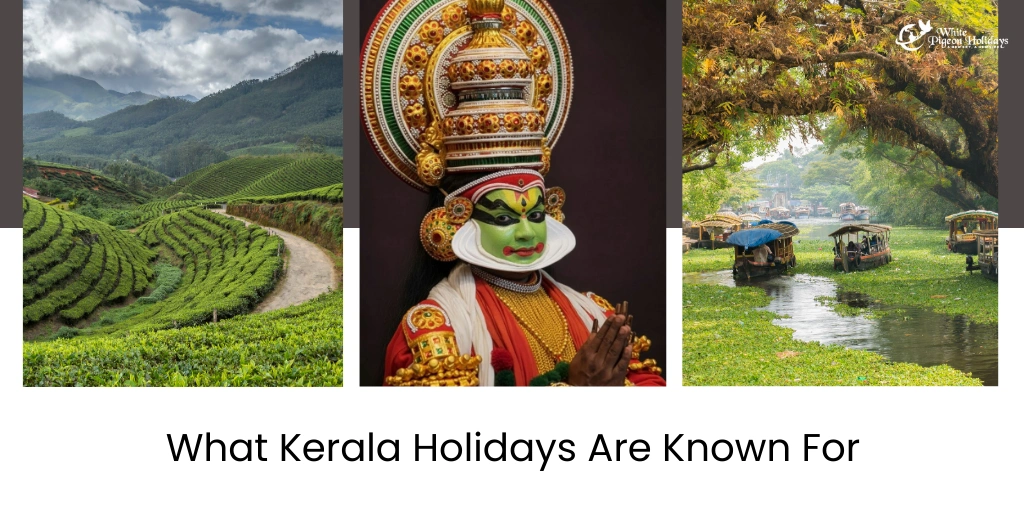
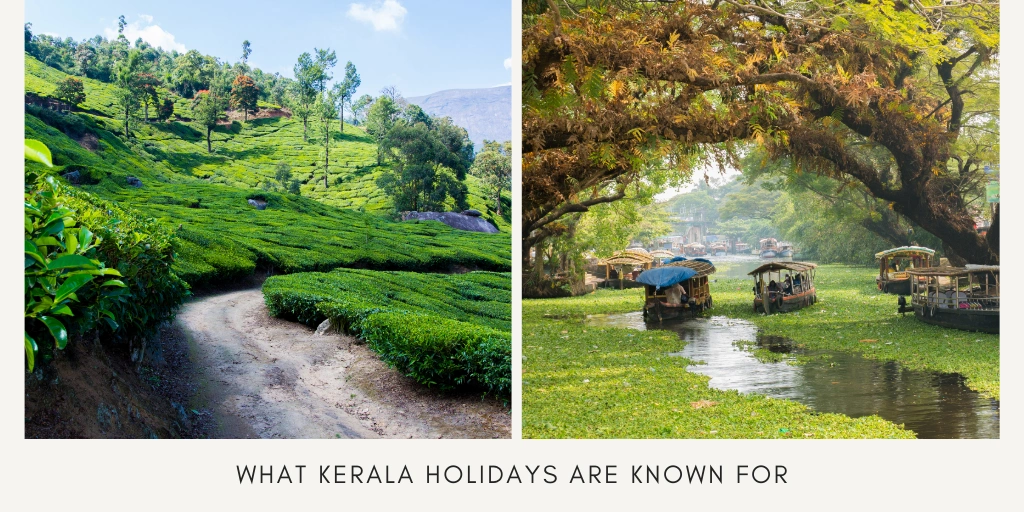
Kerala has much more to offer than its beautiful backwaters and tea plantations. Its regional cuisine can also be one of the highlights of your vacation.
But if you're traveling with dietary restrictions, food allergies, children or older family members, choosing accommodation and dining experiences may need additional planning.
What if your Kerala itinerary could account for your food preferences before you arrive?
White Pigeon Holidays can help you consider dietary preferences, accommodation choices and travel interests when planning a private Kerala vacation.
Tell Us About Your Kerala Trip
Share a few details, and our team can help you review suitable itinerary options.
Important: Restaurant facilities and dietary accommodations must be confirmed individually. No travel operator can guarantee food will be risk-free.
Frequently Asked Questions About Food Safety in Kerala
Practical answers about food hygiene, safe drinking water, traditional Kerala dishes, food allergies and what to do if you become unwell.
01 Is Kerala food safe for tourists?
Yes, tourists can enjoy Kerala's traditional cuisine, but food safety depends on how meals are prepared, stored and served. No restaurant or local dish can be considered completely risk-free.
Choose freshly cooked food served hot, wash your hands before eating and drink water from a reliable source. Avoid raw or undercooked seafood, food left uncovered for long periods and dishes kept at room temperature without proper temperature control.
You don't have to avoid local food altogether. Appam, dosa, puttu and vegetable curries can be enjoyable choices when prepared hygienically and served fresh.
02 Can tourists drink tap water in Kerala?
Tourists should avoid drinking untreated tap water in Kerala unless its safety has been reliably confirmed.
Factory-sealed bottled water is a practical option. Properly boiled or adequately treated water can also be suitable. When purchasing bottled water, check that the seal is intact.
Be cautious with ice, fresh juices and drinks prepared using water of uncertain quality. If you're unsure about the water supply at your accommodation, use safe bottled or treated water for brushing your teeth as well.
Remember that clear-looking water isn't necessarily safe to drink.
03 Is Kerala street food safe to eat?
Kerala street food can be part of an enjoyable travel experience, but hygiene standards vary between vendors.
Prefer stalls where food is cooked thoroughly and served immediately while hot. Watch how ingredients are handled, whether utensils are clean and whether food is protected from insects and contamination.
Freshly prepared snacks may be preferable to items that have been sitting uncovered. Be especially careful with raw chutneys, cut fruit, ice and drinks made with untreated water.
A busy stall isn't automatically safe. If food handling looks questionable, choose another vendor.
04 What Kerala dishes should first-time visitors try?
Kerala offers plenty of memorable dishes for first-time visitors, including vegetarian options.
Appam with vegetable stew is a popular combination, while puttu with kadala curry is a traditional breakfast made with steamed rice flour and chickpea curry.
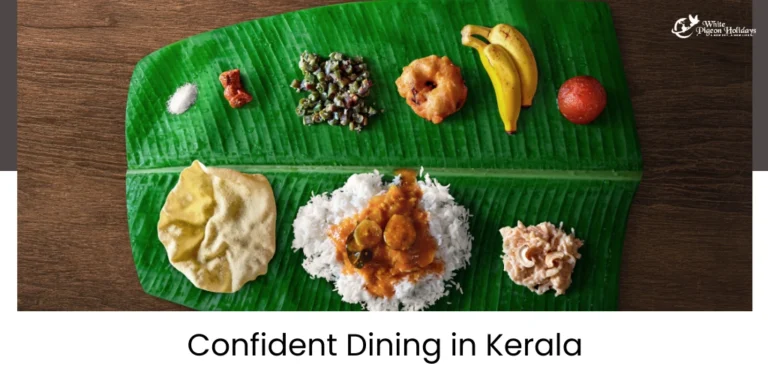
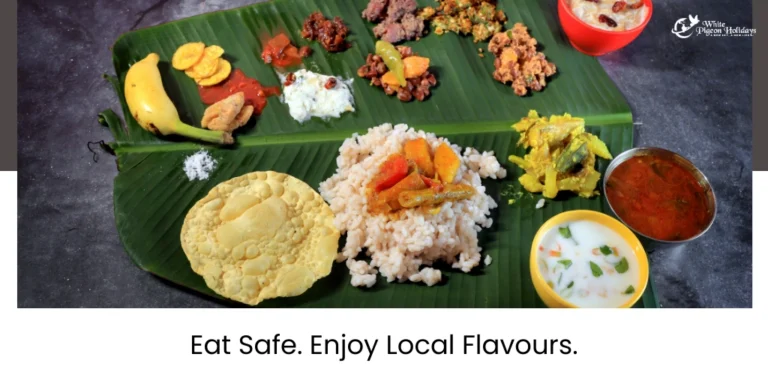
Dosa and idli are familiar South Indian choices, and a Kerala sadya offers several regional vegetarian preparations served together, traditionally on a banana leaf.
Seafood lovers may also enjoy Kerala-style fish curry with rice.
Whatever you order, prioritize proper cooking, safe handling and fresh service. A dish's name alone doesn't establish whether it's safe to eat.
05 How can tourists check restaurant hygiene in Kerala?
Start by checking the restaurant's visible hygiene practices, including food handling, utensil cleanliness, storage conditions and drinking-water arrangements.
Kerala's Food Safety Department participates in the official FSSAI Hygiene Rating Scheme, which assesses food businesses against food-safety requirements.
Travelers can review information through the Kerala Food Safety Department's Hygiene Rating page and the official Eat Right Kerala resources .
Check whether any displayed certification is current and applies to the establishment you're visiting.
A hygiene rating is useful additional information, but it doesn't guarantee that every meal will be free from contamination.
06 What should travelers with food allergies consider before eating in Kerala?
If you have a food allergy, tell restaurant staff exactly which ingredients you must avoid before ordering.
Kerala cuisine commonly uses coconut, mustard seeds, seafood, dairy and various spices. Depending on the recipe, dishes may also contain peanuts, tree nuts, wheat or other allergens.
Don't assume a vegetarian dish is automatically free from dairy or nuts. Ask about ingredients, cooking oils, sauces and the possibility of cross-contact through shared equipment.
Consider carrying an allergy card translated into Malayalam, as well as any emergency medication prescribed by your doctor. If you carry an epinephrine auto-injector, keep it accessible.
For severe allergies, contact accommodation providers in advance and confirm whether they can reasonably meet your requirements. If staff cannot confidently explain the ingredients or preparation process, avoid the dish.
07 What should I do if I develop food poisoning symptoms in Kerala?
If you develop diarrhea or vomiting, the first priority is preventing dehydration.
Drink safe fluids and consider an oral rehydration solution (ORS) prepared according to the package instructions using safe water. ORS sachets are commonly available at pharmacies.
Seek medical attention promptly if you experience bloody diarrhea, high fever, severe abdominal pain, persistent vomiting or signs of dehydration such as dizziness and very little urination.
Children, older adults, pregnant travelers and people with underlying medical conditions may need medical attention sooner.
Don't start antibiotics without appropriate medical advice. Seek professional care if symptoms are severe, worsen or don't improve.
Before traveling, make sure your travel insurance covers medical care and keep your hotel's contact details accessible.
Food safety reminder: Good food handling and safe drinking water reduce risks, but no meal or restaurant can be guaranteed completely risk-free.