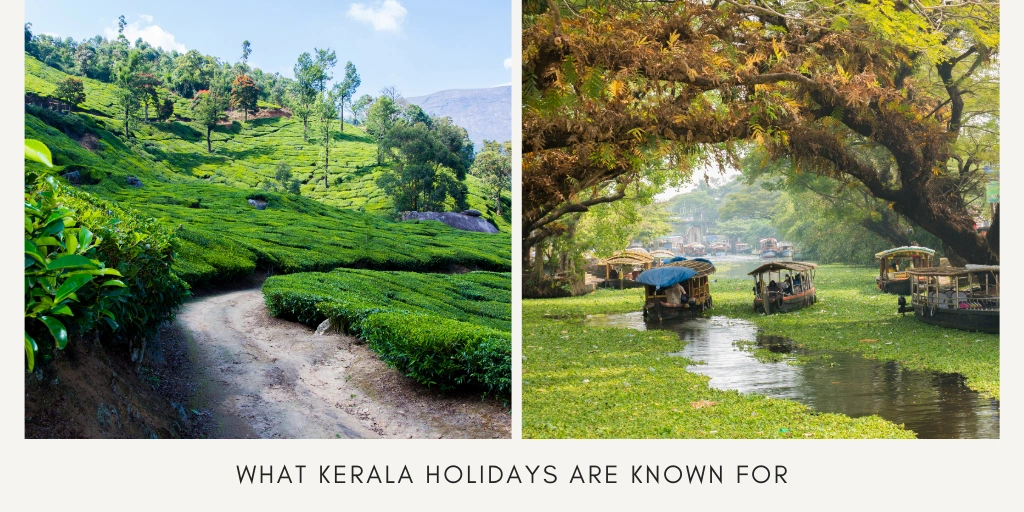
Most Kerala Itineraries Are Built for People Who Want to See Everything. Most Senior Travellers Don't Want That.
They want the trip to feel a specific way — calm, scenic, or deeply restorative. And honestly, that shift in what you're looking for changes everything about how the itinerary should be built.
This page helps you figure out which Kerala travel style suits you, what each itinerary actually looks like day to day, how much it costs across different budgets, and how to avoid the pacing mistakes that quietly ruin an otherwise perfect trip.
Quick Facts About Kerala for Senior Travelers
| Factor | Details |
|---|---|
| Best time to visit | October–March (general); June–August (Ayurveda) |
| Recommended trip length | 7–14 days depending on travel style |
| Easiest destinations | Kumarakom, Alleppey, Kochi, Kovalam |
| More demanding destinations | Munnar, Wayanad, Thekkady (hill roads) |
| Budget range (on-ground) | $24–$180+/person/day |
| Houseboat comfort | High — minimal movement, crew-assisted boarding |
| Private car recommended? | Yes — essential for senior comfort |
| Ghat road reality | 4–5 hrs Kochi→Munnar; continuous hairpin bends |
| Ayurveda minimum stay | 10 days for real results; 14–21 days optimal |
| Peak season price spike | 50–100% higher (mid-Dec to early Jan) |
Best Time to Visit
Recommended Trip Length
Easiest Destinations
More Demanding Destinations
Budget Range (On-Ground)
Houseboat Comfort
Private Car Recommended?
Ghat Road Reality
Ayurveda Minimum Stay
Peak Season Price Spike
Planning a Kerala Trip?
The Question Most Travelers Don’t Ask Before Booking Kerala
The most common itinerary mistake isn’t choosing the wrong destinations.
It’s choosing the wrong pace for your energy level.
Kerala has three distinct travel experiences that feel completely different from each other:
- Relaxation travel — backwaters, lakes, beaches, slow mornings, minimal movement
- Nature travel — mountains, tea gardens, wildlife, scenic drives, moderate activity
- Wellness travel — Ayurveda, spa programs, recovery, very slow rhythm
A traveler who books a nature-heavy itinerary expecting Kerala to feel peaceful may end up exhausted on winding mountain roads.
A traveler who books a wellness retreat expecting gentle sightseeing may feel under-stimulated.
The right itinerary starts with an honest answer to: how do I want to feel on this trip?
Kerala Trip at a Glance
Everything you need to estimate your Kerala holiday budget, accommodation costs, transport, seasonal pricing and travel planning information.
Daily Budget
Budget: $24–$42/person/day
Mid-range: $48–$78/person/day
Premium: $96–$180+/person/day
7-Night Trip
Mid-range: $480–$780/person
Premium: $960–$1,800/person
Houseboats
Luxury: $240–$600/night
Standard: $108–$216/night
Hotels
Luxury: $144–$360/night
Mid-range: $42–$72/night
Budget: $18–$30/night
Private Car
7–8 day Kerala circuit: $300–$420 total
Peak Season
Mid-Dec to early Jan hotel and houseboat rates are typically 50–100% higher.
Driving Times
Kochi → Munnar: 4–5 hours
Munnar → Thekkady: 3–4 hours
Ayurveda
$720–$1,440 (7 nights)
$3,600–$7,200+ (21-night luxury)
Nature Highlight
Eravikulam National Park is home to the endangered Nilgiri Tahr. Munnar sits at 1,600m elevation.
Best Time
Tourism: October–March
Ayurveda: June–August
GST
5% for tariffs up to $90/night
18% for tariffs above $90/night
Source
Budget figures reflect commonly available pricing as of July 2026. Actual costs vary depending on season, destination and availability.
Planning a Kerala Trip?

Quick Comparison: Three Kerala Travel Styles for Seniors
Relaxation Holiday
Slow and easy
Backwaters, beaches, houseboat sunsets
Low
2–3 hotels
7–10 days
Couples, relaxed holidays
Minimal
Light
Nature & Exploration
Moderate
Tea plantations, wildlife, hill stations
Moderate
3–5 hotels
10–14 days
Travelers wanting scenery + variety
Significant
Moderate to active
Wellness Retreat
Very slow and restorative
Ayurveda therapies, spa, recovery
Very low
1–2 wellness resorts
10–21 days
Recovery, wellness, longer stays
Minimal
Minimal
Travel Style 1: The Relaxation Itinerary — What It Actually Feels Like
Quick Answer: For seniors who want the fewest hotel changes, minimal driving, and slow unhurried days, a relaxation-focused Kerala itinerary covering Kochi, Kumarakom, Alleppey, and Kovalam is the most comfortable option.
Who This Is For
This itinerary works best for seniors who:
- Prefer fewer hotel changes over seeing more places
- Find long drives tiring, especially on winding roads
- Want meals, sunsets, and slow mornings to be the highlight — not checkboxes
- Have traveled widely and no longer need to “cover” a destination
- Are recovering from a health event or simply want a low-effort holiday
The Core Destinations
A relaxation-focused Kerala trip stays close to the water and avoids hill stations.
Kochi (2 nights): Fort Kochi is gentle by Indian city standards.
A morning walk past the Chinese Fishing Nets, a quiet hour at St.
Francis Church, and lunch in Jew Town is a full, unhurried day.
The pace here is inherently slow.
Kumarakom (3 nights): This is the heart of a relaxation itinerary.
Kumarakom sits on the edge of Vembanad Lake — the largest lake in Kerala — surrounded by paddy fields and bird-filled wetlands.
Mornings are misty and quiet.
Luxury resorts here have private lake access, pool villas, and in-resort Ayurveda.
You don’t need to leave the property to feel like you’re in Kerala.
Alleppey/Alappuzha (2 nights): One night on a houseboat drifting through the backwater canals, followed by a night at a lakeside resort.
The houseboat experience is completely unique — unhurried, floating, watching village life pass at walking pace.
Kovalam (2–3 nights): A quieter beach town south of Thiruvananthapuram.
Mornings for a beach walk, afternoons for Ayurveda sessions, evenings watching the lighthouse and the sea.
Low physical demand.
What a Typical Day Looks Like
- Wake at your own pace
- Breakfast on a terrace or veranda
- One gentle outing — a short walk, a boat ride, a temple visit
- Back by noon
- Rest or spa in the afternoon
- Sunset from the property
- Early dinner
There are no packed schedules, no rushed morning departures, no competitive sightseeing.
Honest Trade-Off
You will not see Kerala’s famous hill scenery on this route.
If the idea of missing Munnar’s tea gardens or Thekkady’s wildlife bothers you, this itinerary isn’t the right fit.
Not Sure if Relaxation Travel Is Your Style?
A complimentary Kerala Travel Style Consultation helps you discover the right pace, places, and experience — no pressure, just honest guidance tailored to how you like to travel.
Not Sure Which Kerala Pace Is Right for You?
Travel Style 2: The Nature Itinerary — What It Actually Feels Like
Quick Answer: Seniors who enjoy mountain scenery and can handle 3–5 hour winding drives will find Kerala’s nature itinerary — Kochi, Munnar, Thekkady, Alleppey — deeply rewarding. But the ghat roads are real and require honest assessment before booking.
Who This Is For
This itinerary works best for seniors who:
- Genuinely enjoy landscape and scenic drives
- Handle 3–5 hour drives without significant discomfort
- Want to experience something different from typical beach travel
- Are comfortable with moderate walking (uneven terrain at some viewpoints)
- Don’t need to stay in one place to feel relaxed
The Core Destinations
Kochi (2 nights): Arrival base. Easy start before the hills begin.
Munnar (3 nights): The most visited hill station in Kerala.
Munnar sits at around 1,600 meters and stays cool year-round.
The tea gardens here are managed by Tata Consumer Products, and the nearby Eravikulam National Park is home to the endangered Nilgiri Tahr — one of the rarest mountain goats in the world.
The drive up is 4–5 hours from Kochi on a ghat road — winding but beautiful.
Staying three nights rather than one transforms the experience from exhausting to genuinely restorative.
Thekkady/Periyar (2 nights): The Periyar Tiger Reserve is one of the oldest wildlife reserves in India.
A morning boat ride on Periyar Lake is gentle, scenic, and requires no walking.
Spice plantation visits are available near the town.
The road from Munnar to Thekkady takes 3.5–4 hours — another ghat road, so plan an 8am departure.
Kumarakom or Alleppey (2–3 nights): Coming down from the hills, most nature itineraries end near the backwaters for a contrast experience — mountains followed by water.
This also provides recovery time before the flight home.
The Hill Road Reality
Seniors considering this itinerary need to understand what Kerala’s ghat roads actually feel like.
These are narrow mountain roads with continuous hairpin bends, moderate traffic, and no guardrails on significant stretches.
A 4-hour ghat drive does not feel like a 4-hour highway journey.
For travelers with back pain or spinal conditions, motion sickness, hip or knee discomfort from prolonged sitting, or post-cardiac surgery restrictions — the nature itinerary requires careful medical assessment before booking.
Ask your doctor specifically about prolonged vehicle travel on winding roads.
One practical tip: if you want Munnar’s scenery without the full driving commitment, consider flying into Coimbatore (the nearest airport) and driving just 1.5–2 hours to Munnar instead of the 4–5 hour drive from Kochi.
Common Kerala Driving Times
| Route | Approximate Drive Time | Road Type |
|---|---|---|
| Kochi → Munnar | 4–5 hours | Ghat road (winding, hilly) |
| Munnar → Thekkady | 3–4 hours | Ghat road |
| Thekkady → Alleppey | 4–5 hours | Mix of ghat and flat |
| Alleppey → Kovalam | 3–4 hours | Mostly flat coastal |
| Kochi → Alleppey | 1.5–2 hours | Flat, easy |
| Kochi → Kumarakom | 2–2.5 hours | Flat, easy |
Kochi → Munnar
Road Type: Ghat road (winding, hilly)
Munnar → Thekkady
Road Type: Ghat road
Thekkady → Alleppey
Road Type: Mix of ghat and flat
Alleppey → Kovalam
Road Type: Mostly flat coastal
Kochi → Alleppey
Road Type: Flat, easy
Kochi → Kumarakom
Road Type: Flat, easy
Travel Style 3: The Wellness Itinerary — What It Actually Feels Like
Quick Answer: For seniors who want physical recovery, stress reduction, or a genuine Ayurvedic treatment program, a Kerala wellness itinerary based in Kovalam or Kumarakom — with a minimum 10-day stay — offers something you genuinely can’t replicate anywhere else.
Who This Is For
This itinerary works best for seniors who:
- Want the trip to prioritize physical recovery over sightseeing
- Are genuinely interested in Ayurvedic treatment, not just a one-off massage
- Have a health condition that benefits from therapeutic rest
- Want to return home feeling noticeably better than when they left
- Are comfortable staying in one place for several days
What Genuine Ayurveda Looks Like
There’s an important distinction most travelers miss.
A single Ayurvedic massage is a relaxing spa treatment.
A proper Ayurvedic treatment program — called Panchakarma or a Rasayana program — requires consecutive daily sessions over 7–21 days and is administered by trained Ayurvedic physicians, not spa staff.
According to Kerala Tourism’s official Ayurveda guidance, Kerala is considered the primary home of authentic Ayurvedic practice in India.
The state’s monsoon season (June–August) is actually considered the optimal time for treatments — the cool, humid air opens skin pores and maximizes absorption.
For a wellness itinerary to produce real results, minimum stay is 10 days.
Most physicians recommend 14–21 days for therapeutic outcomes.
Wellness Ayurveda Program Costs in Kerala
| Programme Type | Typical Duration | Approx Cost Per Person |
|---|---|---|
| Basic Ayurveda Wellness Package (Resort) | 7 nights | $720–$1,440 |
| Mid-Range Wellness Retreat | 14 nights | $1,800–$3,000 |
| Luxury Medical Ayurveda Programme | 21 nights | $3,600–$7,200+ |
Basic Ayurveda Wellness Package (Resort)
Approx Cost Per Person: $720–$1,440
Mid-Range Wellness Retreat
Approx Cost Per Person: $1,800–$3,000
Luxury Medical Ayurveda Programme
Approx Cost Per Person: $3,600–$7,200+
What a Typical Wellness Day Looks Like
Planning a Kerala Trip?
Planning a Kerala Wellness Trip as a Senior? Get Our Free Planner First.
Receive the complimentary Senior Kerala Wellness Planner — includes recommended Ayurveda centres, questions to ask your physician before traveling, and a wellness packing checklist.
Planning a Kerala Ayurveda Trip? Get Your Free Wellness Plan
The Houseboat Question: Is It Actually Comfortable for Seniors?
A lot of seniors skip the houseboat because they assume it’ll be uncomfortable or hard to board.
That assumption is usually wrong.
Quick Answer: A Kerala houseboat is often more comfortable than land travel for seniors — minimal movement required, crew-assisted boarding, air-conditioned cabins, proper beds, and a pace that’s entirely designed around rest.
Here’s the real picture:
- Boarding involves one step that requires care — crew assists routinely on quality boats
- Cabins have proper beds, modern bathrooms with showers, railings on all decks
- The boat moves slowly and is stable — it’s nothing like a rocking sailboat
- Meals are included and fully customizable for dietary needs (diabetic-friendly, low-spice, vegetarian)
- A luxury houseboat with full AC costs ₹20,000–₹50,000/night; a premium shared houseboat runs ₹13,000–₹18,000/night
The only reasons to avoid a houseboat: severe mobility issues, recent surgery, oxygen dependence, or recent cardiac concerns.
For everyone else, the houseboat is actually one of the most senior-friendly experiences in Kerala, according to SpiceRoutes luxury cruises.
Houseboat vs Lakeside Resort: Which Works Better?
Overnight Houseboat
Couples wanting immersive backwater experience
Unique floating experience, minimal movement, crew-served meals
Lakeside Resort
Longer stays, more space, better sleep comfort
Spa facilities, pools, more room to move around
Combination
Most senior travelers
Gets both experiences without compromising comfort
Short Route vs Full Kerala Tour: What Actually Suits Seniors Better?
This is the decision that confuses most people.
Quick Answer: For most seniors over 60, a compact route of 3–4 destinations feels significantly more enjoyable than a full Kerala circuit.
The main culprit in full tours isn’t sightseeing — it’s consecutive ghat drives, frequent hotel changes, and the invisible fatigue that builds after Day 5.
Munnar-Alleppey-Kochi vs Full Kerala Tour
| Factor | Munnar-Alleppey-Kochi Route | Full Kerala Tour (6–7 destinations) |
|---|---|---|
| Travel Pace | Relaxed-balanced | More active |
| Number of Destinations | 3 | 5–7 |
| Driving Fatigue | Moderate | Higher |
| Hotel Changes | Fewer | Frequent |
| Recovery Time | Good | Limited on some routes |
| Average Trip Length | 7–10 days | 12–16 days |
| Best For | Comfort-focused, first-time Kerala visitors | Active travelers, experienced India visitors |
Travel Pace
Full Kerala Tour: More active
Number of Destinations
Full Kerala Tour: 5–7
Driving Fatigue
Full Kerala Tour: Higher
Hotel Changes
Full Kerala Tour: Frequent
Recovery Time
Full Kerala Tour: Limited on some routes
Average Trip Length
Full Kerala Tour: 12–16 days
Best For
Full Kerala Tour: Active travelers, experienced India visitors
Which Kerala Itinerary Fits You Best?
The biggest difference isn’t beauty — both routes are stunning.
It’s the travel rhythm and transition frequency.
What Most Seniors Realize by Day 5 or 6
By mid-trip, most travelers stop caring about how many places they’ve seen.
They start valuing slow mornings, scenic downtime, and flexible afternoons.
That’s when the itinerary either feels rewarding or exhausting — and it’s almost always tied to how much movement was built in.
A traveler from Arizona who did the Kochi-Munnar-Alleppey route described it well on a travel forum: “After the hill drives, Alleppey felt like the vacation finally slowed down.”
10 Days vs 14 Days: Which Works Better for Retired Travelers?
Quick Answer: 10 days works well for active retirees with a focused route.
14 days feels more comfortable for most retirees because it removes the daily pressure to keep moving — and longer trips in Kerala often feel easier, not harder.
10-Day vs 14-Day Kerala: Side by Side
| Factor | 10-Day Kerala Tour | 14-Day Kerala Tour |
|---|---|---|
| Travel Pace | Balanced | Relaxed |
| Hotel Changes | Moderate | More comfortable spacing |
| Recovery Time | Good | Excellent |
| Driving Fatigue | Moderate | Lower |
| Wellness Time | Limited | Well integrated |
| Ideal For | Active retirees | Slow-travel retirees |
| Sightseeing Style | Highlights + relaxation | Immersive and flexible |
Travel Pace
14-Day Kerala Tour: Relaxed
Hotel Changes
14-Day Kerala Tour: More comfortable spacing
Recovery Time
14-Day Kerala Tour: Excellent
Driving Fatigue
14-Day Kerala Tour: Lower
Wellness Time
14-Day Kerala Tour: Well integrated
Ideal For
14-Day Kerala Tour: Slow-travel retirees
Sightseeing Style
14-Day Kerala Tour: Immersive and flexible
Recommended 10-Day Route
A comfortable 10-day route typically covers:
- Kochi (2 nights)
- Munnar (3 nights)
- Alleppey (2 nights — houseboat + resort)
- Kovalam (3 nights)
The key isn’t rushing.
Three nights in Munnar instead of two transforms a hill station from exhausting to actually enjoyable.
Recommended 14-Day Route
A relaxed 14-day route typically covers:
- Kochi (2 nights)
- Munnar (3 nights)
- Thekkady (2 nights)
- Kumarakom (3 nights)
- Alleppey (2 nights)
- Kovalam (2 nights)
This allows the trip to flow without pressure.
There’s time for Ayurveda sessions, slow breakfasts, afternoon naps, and the kind of evenings where you actually sit and watch the sunset instead of rushing to the next check-in.
The paradox most travelers discover: longer Kerala trips often feel less tiring because the daily pressure drops significantly.
You’re not watching the clock. You settle in. And Kerala — with its backwaters and paddy fields and mist-covered mornings — rewards that kind of attention.
Which Kerala Destinations Are Actually Worth It for Seniors?
Not all destinations require the same effort.
Here’s an honest breakdown:
Destination Comfort Ratings for Senior Travelers
Kumarakom
Relaxed pace, resort-based activities, minimal walking
Kochi
Easy airport access, manageable sightseeing, flat terrain
Alleppey
Scenic backwaters, houseboat experience, no demanding activity needed
Kovalam
Beach relaxation, Ayurveda, light schedules
Marari Beach
Very quiet, resort-focused, minimal sightseeing pressure
Varkala
Relaxed cliff-top beach town
Munnar
Beautiful but involves 4–5 hr ghat drive; assess before booking
Thekkady
Nature-focused, more active, ghat road from Munnar
Wayanad
Long road travel, remote routing, best for active seniors
A Note on Kumarakom
If comfort is the priority, Kumarakom is consistently the highest-rated Kerala destination for seniors.
It sits on Vembanad Lake, the largest lake in Kerala, surrounded by paddy fields and bird-filled wetlands.
Many luxury resorts here — including CGH Earth’s Coconut Lagoon and the Taj Kumarakom Resort & Spa — are designed around slow, in-resort experiences.
You genuinely don’t need to leave the property to feel like you’re having a Kerala holiday.
When to Skip a Destination
Wayanad can be dropped for most seniors.
Adding it after Munnar and Thekkady creates back-to-back hill transfers that gradually exhaust even active travelers.
The scenery is beautiful, but the combination of consecutive mountain roads and frequent hotel changes often reduces enjoyment instead of adding to it.
The Best Kerala Destination Combinations for Senior Travelers
| Travel Goal | Recommended Route | Ideal Duration |
|---|---|---|
| Maximum Relaxation | Kochi → Kumarakom → Kovalam | 9–11 days |
| Scenic + Relaxed Balance | Kochi → Munnar → Alleppey → Kovalam | 11–14 days |
| Wellness Retreat | Kovalam or Kumarakom (Ayurveda resort) | 10–21 days |
| Hill Scenery with Less Driving | Fly into Coimbatore → Munnar → Kumarakom | 9–11 days |
| Nature + Backwaters | Kochi → Munnar → Thekkady → Alleppey | 12–14 days |
| Luxury Couple's Escape | Kochi → Kumarakom → Marari Beach | 8–10 days |
| Slow-Paced First Visit | Kochi → Alleppey → Kovalam | 8–10 days |
| Active Retirement | Kochi → Munnar → Thekkady → Kumarakom → Kovalam | 12–16 days |
Maximum Relaxation
Ideal Duration: 9–11 days
Scenic + Relaxed Balance
Ideal Duration: 11–14 days
Wellness Retreat
Ideal Duration: 10–21 days
Hill Scenery with Less Driving
Ideal Duration: 9–11 days
Nature + Backwaters
Ideal Duration: 12–14 days
Luxury Couple's Escape
Ideal Duration: 8–10 days
Slow-Paced First Visit
Ideal Duration: 8–10 days
Active Retirement
Ideal Duration: 12–16 days
Planning a Kerala Wellness Trip as a Senior? Get Our Free Planner First.
Receive the complimentary Senior Kerala Wellness Planner — includes recommended Ayurveda centres, questions to ask your physician before traveling, and a wellness packing checklist.
Tell Us Your Travel Style. We’ll Plan Your Kerala Itinerary.
Kerala Budget Breakdown for Senior Travelers (2026)
Costs based on double occupancy, on-ground expenses only (flights excluded).
Data sourced from Immersive Trips Kerala cost guide, July 2026.
Daily Budget by Travel Style
| Category | Budget | Mid-Range | Premium |
|---|---|---|---|
| Accommodation (per night, double room) | $18–$30 | $42–$72 | $144–$360+ |
| Private car + driver (per day, shared) | $10–$12 | $18–$26 | $30–$42 |
| Food (per person per day) | $6–$10 | $12–$18 | Included at most resorts |
| Activities + entry fees | $2–$6 | $6–$12 | $12–$36 |
| Total per person per day | $24–$42 | $48–$78 | $96–$180+ |
Accommodation (per night, double room)
Mid-Range: $42–$72
Premium: $144–$360+
Private Car + Driver (per day, shared)
Mid-Range: $18–$26
Premium: $30–$42
Food (per person per day)
Mid-Range: $12–$18
Premium: Included at most resorts
Activities + Entry Fees
Mid-Range: $6–$12
Premium: $12–$36
Total Per Person Per Day
Mid-Range: $48–$78
Premium: $96–$180+
Total Trip Estimate (7 nights, double occupancy)
| Tier | 7-Night Trip (Per Person) | 10-Night Trip (Per Person) | 14-Night Trip (Per Person) |
|---|---|---|---|
| Mid-Range | $480–$780 | $660–$1,080 | $900–$1,500 |
| Premium | $960–$1,800 | $1,320–$2,520 | $1,800–$3,600+ |
Mid-Range
10-Night Trip: $660–$1,080
14-Night Trip: $900–$1,500
Premium
10-Night Trip: $1,320–$2,520
14-Night Trip: $1,800–$3,600+
Houseboat Costs
| Houseboat Type | Per Night |
|---|---|
| Standard 1-bedroom (shared) | $108–$144 |
| Premium 1-bedroom houseboat | $156–$216 |
| Luxury sole-occupancy houseboat | $240–$600+ |
Standard 1-Bedroom (Shared)
Premium 1-Bedroom Houseboat
Luxury Sole-Occupancy Houseboat
Best Time to Visit Kerala for Senior Travelers
| Travel Style | Best Months | Months to Avoid |
|---|---|---|
| Relaxation (beaches + backwaters) | October–March | April–May (heat + humidity) |
| Nature + Hill Stations | September–February | June–August (wet trails, leeches) |
| Ayurveda + Wellness | June–August (traditional) or Oct–Feb | April–May (intense heat) |
| Budget Travelers | June–September (monsoon discounts) | Mid-Dec to early Jan (peak prices) |
Relaxation (Beaches + Backwaters)
Months to Avoid: April–May (heat + humidity)
Nature + Hill Stations
Months to Avoid: June–August (wet trails, leeches)
Ayurveda + Wellness
Months to Avoid: April–May (intense heat)
Budget Travelers
Months to Avoid: Mid-Dec to early Jan (peak prices)
One thing most guides don’t mention: The monsoon (June–August) is actually the ideal time for Ayurvedic treatments.
According to Kerala Tourism’s Ayurveda resource, the cooler temperatures and higher humidity improve the body’s absorption of herbal therapies.
It’s not great for beaches or houseboat cruises — but for wellness retreats, it’s the traditional season.
Tell Us How You Like to Travel. We’ll Plan the Rest.
The Biggest Mistakes Seniors Make Planning Kerala
Adding Too Many Destinations
Four destinations in 10 days usually feels better than six. Extra stops create packing, check-in and driving fatigue.
One-Night Hill Station Stays
One night in Munnar rarely gives enough time to relax or explore. Stay at least three nights if possible.
Back-to-Back Transfers
Avoid Munnar → Thekkady → Alleppey on consecutive days. Build in a rest day.
Ignoring Peak Season Prices
Mid-December to early January often sees hotel and houseboat prices increase by 50–100%.
Choosing the Cheapest Houseboat
A premium houseboat offers noticeably better comfort, food and service.
Skipping Private Transport
Private transport provides flexibility and comfort, especially for senior travellers.
Expecting Ayurveda Results Quickly
Therapeutic Ayurveda generally requires a 10-day consecutive programme.
Travel Planning Tip
Reduce hotel changes, allow enough time in each destination and prioritise comfort over trying to see everything.
Senior-Specific Travel Checklist for Kerala
Before you book, run through these questions honestly. Your answers will help determine the most comfortable and enjoyable itinerary.
Are long winding drives (3–5 hours) manageable for you?
Do you have back, hip, or knee conditions that worsen with prolonged sitting?
Do you prefer staying put longer in fewer places?
Is downtime — genuine unscheduled time — important to you?
Are you traveling for wellness, sightseeing, or a mix?
Do you want a houseboat experience? (If yes, one night on a premium boat is ideal.)
Is Ayurveda a priority, or just a nice add-on?
What's your actual physical energy level on travel days?
Your Answers Shape Everything
A traveller who answers "Long drives are difficult" and "Downtime matters" will benefit from a very different itinerary than someone who says, "I'm active and love scenery." Building your itinerary around your comfort level almost always results in a more enjoyable Kerala holiday.
Want a Kerala Itinerary Built Around You — Not a Template?
Get a personalised Kerala itinerary built around your travel style, energy level, and interests — complimentary, no obligation.
Ready for a Kerala Trip That Fits Your Pace?
What to Pack for a Kerala Senior Trip
Keep it light — you’re likely moving between 2–4 hotels.
- Lightweight, breathable clothing (cotton or linen — Kerala is humid even in winter)
- A light cardigan or layer for Munnar evenings (it gets cool at 1,600m)
- Comfortable flat shoes — no heels, minimal terrain demands
- Sunscreen SPF 50+ (coastal areas are strong)
- Prescription medications in sufficient quantity — bring from home; don’t rely on local availability
- Travel insurance covering medical evacuation (essential for remote hill areas)
- Copies of medical records and current prescription list
- A small first-aid kit
- Insect repellent (Thekkady and Munnar)
- Bottled water habit — tap water is not safe to drink anywhere in Kerala
One Final Thought
Kerala does not need to be rushed to feel meaningful.
In fact, most seniors enjoy it more deeply when they visit fewer places because they actually have time to absorb the backwaters, the spice-scented air, the slow mornings, and the feeling of being completely unhurried for the first time in years.
The best Kerala itinerary is not the busiest one. It is the one you can still enjoy on the last day.
Contact Nitin Batra at White Pigeon Holidays for a privately planned Kerala itinerary built around your pace, interests, and comfort level.
FAQs: Kerala for Senior Travelers
Everything retired and senior travellers commonly ask before planning a relaxed, comfortable holiday to Kerala.
What is the most relaxing Kerala itinerary for senior travelers?
A route covering Kochi, Kumarakom, Alleppey, and Kovalam is consistently the most comfortable option. It avoids demanding mountain roads, keeps travel days relatively short, and allows plenty of time to relax between destinations. Total: 9–11 days.
Is Munnar worth visiting for travelers over 65?
Yes, if you're comfortable with mountain roads. Munnar offers beautiful scenery and cooler temperatures that many seniors love — but the drive includes 4–5 hours of continuous hairpin bends from Kochi. Flying into Coimbatore reduces this to 1.5–2 hours and changes the experience significantly.
Is a Kerala houseboat comfortable for elderly travelers?
Generally yes. Modern luxury houseboats have full AC, proper beds, functional bathrooms with showers, deck railings, and crew trained in assisting older guests. The main physical demand is the boarding step — crew assists routinely. Not recommended for travelers with severe mobility issues, recent surgery, or oxygen dependence.
How much does a Kerala trip cost for senior citizens?
Mid-range on-ground costs run ₹4,000–₹6,500 per person per day (double occupancy). A 10-night mid-range trip typically costs ₹55,000–₹90,000 per person, not including flights. Premium trips run significantly higher — ₹8,000–₹15,000+/day.
Is 10 days enough for Kerala for retired travelers?
Yes, if the route is focused. A Kochi–Munnar–Alleppey–Kovalam itinerary at a relaxed pace works well in 10 days. For travelers who want wellness, deeper backwater time, or multiple hill stations, 14 days is significantly more comfortable.
Which Kerala destinations are easiest for senior travelers with limited mobility?
Kumarakom is the top recommendation — most activities are within resorts or on level ground, and lake views require no walking. Alleppey (houseboat + lakeside resort) and Kovalam (beach resort) are also low-demand. Kochi is manageable with some walking on flat ground.
What is the best time to visit Kerala for senior travelers?
October to March for general tourism — pleasant weather, calm seas, and comfortable temperatures. June to August for Ayurveda — traditionally the best treatment season according to Kerala Ayurvedic practice. Avoid mid-December to early January if budget matters — it's peak season with 50–100% price increases.
Should senior couples include a wellness retreat in their Kerala trip?
Yes, if physical recovery or stress reduction is a goal. Even 4–5 Ayurveda sessions during a regular trip produce noticeable relaxation. For deeper therapeutic outcomes, a dedicated 10–14 day program at a medically supervised retreat centre in Kovalam or Kumarakom is highly recommended.
Can I combine a houseboat, hill stations, and Ayurveda in one Kerala trip?
Yes. A 14-day itinerary can realistically include 3 nights in Munnar, 2 nights in Thekkady, 2–3 nights in Kumarakom or Alleppey (with a houseboat night), and 3–4 nights in Kovalam with Ayurveda sessions. This requires honest physical assessment — it's a varied trip, not a slow one.
Is Kerala safe for solo senior women travelers?
Yes. Kerala has a strong reputation for hospitality and is consistently rated one of India's most welcoming destinations for independent travelers. Private transport and reputable hotel bookings provide additional peace of mind.
Are special dietary requirements catered to in Kerala resorts?
Most quality resorts accommodate diabetic-friendly, vegetarian, low-sodium, and low-spice meal requirements. Share any medical or dietary needs before arrival so the resort can prepare accordingly.
Is tap water safe to drink in Kerala?
No. Drink bottled or purified water throughout your trip. Most quality hotels provide complimentary bottled drinking water.
What happens if medical care is needed during the trip?
Kochi has excellent private hospitals. Medical facilities in hill areas like Munnar and Thekkady are more limited. Carry comprehensive travel insurance covering medical evacuation, your full medication list, and copies of important medical documents.