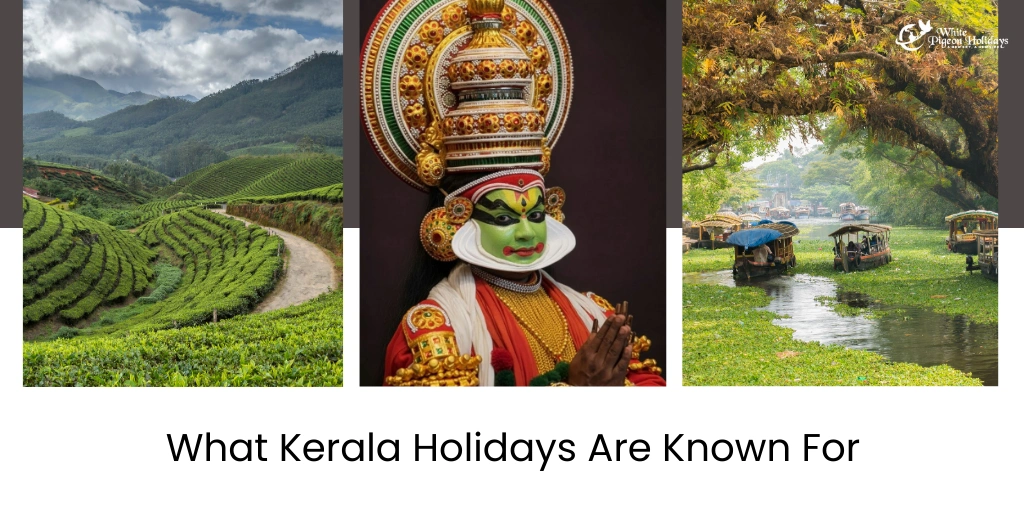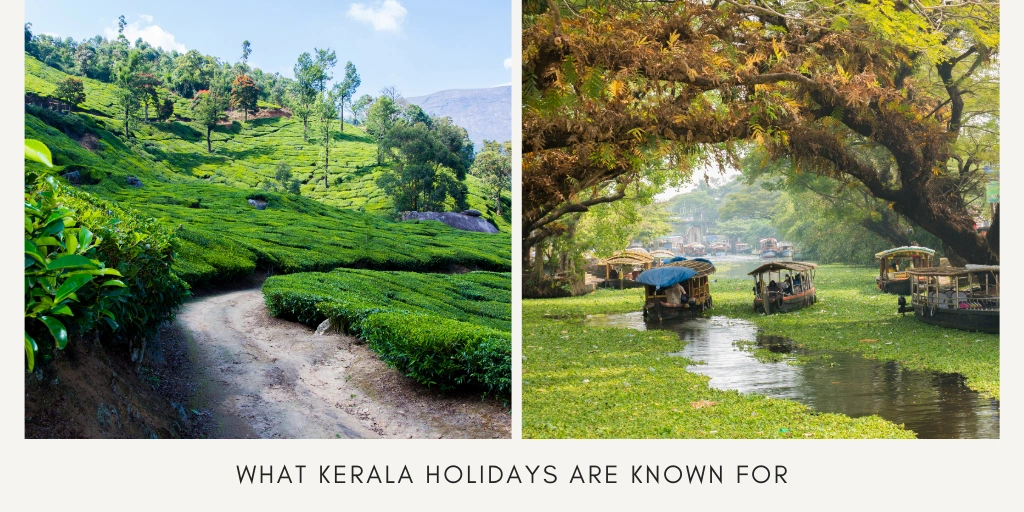

Why Do So Many Senior Citizens Choose Kerala?
Kerala is honestly one of the easiest states in India to travel in if you are above 60.
You don't have to rush anywhere. The places are close to each other. The food is light and easy on the stomach. Almost all the popular spots — Alleppey backwaters, Munnar tea gardens, Kovalam beach — don't need you to do much walking at all.
And then there is Ayurveda. Kerala is the only place in India where you can actually take a proper Ayurvedic treatment, not just a quick massage. For senior citizens dealing with joint pain, stress, or just the tiredness that comes with age, that alone is worth the trip.
Here is why Kerala keeps coming up when families sit down to plan a trip for their parents:
The pace is slow
no one is rushing you from one place to another
English is widely understood
Most houseboat and hotel staff speak basic English
Door-to-door comfort
Private cars and drivers are easy to arrange for door-to-door comfort
Ayurvedic wellness
Ayurvedic wellness resorts are genuinely medical, not just spa tourism
Good private hospitals
Good private hospitals are available in Kochi, Thiruvananthapuram, and Kozhikode
Comfortable weather
The weather between October and February is comfortable — not too hot, not humid
Whether you are planning this trip for yourself or for your parents, Kerala is genuinely one of the better choices in India for senior citizens.
Planning This Kerala Trip for Your Parents?
A lot of people who reach this page are not seniors themselves. They are sons, daughters, or family members sitting in the US or UK, trying to figure out how to plan a comfortable Kerala trip for mom and dad.
If that is you, here is the first thing to know: Kerala is one of the most manageable India trips for senior citizens when planned right. The itinerary, the hotels, the car, the houseboat — all of it can be pre-arranged so your parents have zero stress on the ground.
Less is more.
What most families get wrong is trying to pack in too many places. A well-paced 10-day trip beats a rushed 14-day one every single time.
We work with many US and UK families who plan Kerala trips for their parents. If you want a quick call to understand what would work best for your family's situation, we are happy to help.
Two retired travelers can visit the same Kerala destinations and come back with completely different experiences.
One feels restored.
The other feels exhausted.
The difference is almost never the places.
It’s the travel style.
Most people planning a Kerala trip spend all their time choosing destinations — Munnar or Alleppey?
Kovalam or Kumarakom?
They rarely ask the more important question: how do I want to move through this trip?
And for travelers over 60, that question shapes everything — how rested you feel each morning, how your body holds up by Day 5, and whether you come home feeling refreshed or relieved it’s over.
This guide breaks down the three main ways seniors experience Kerala, what each one actually feels like day-to-day, and how to figure out which one (or which combination) is right for you.
| Quick Facts: Kerala Private Tour for Seniors | |
|---|---|
| Factor | What to Know |
| Travel styles available | Private car tour, houseboat/backwater cruise, Ayurveda wellness retreat |
| Recommended trip length | 10–14 days (for combining all three styles) |
| Private car (Toyota Innova) | US$42–US$47/day local; US$0.21–US$0.25/km for outstation routes |
| Mid-range private tour cost | US$315–US$525/person (7 days, excl. flights) |
| Luxury private tour cost | US$835–US$1,255/person (7 days) |
| Houseboat (premium, 1BR) | US$135–US$190/night (full-time AC) |
| Ayurveda minimum (meaningful benefit) | 7 nights; Panchakarma: 14–21 nights |
| Best season for private tour | October to February |
| Best season for Ayurveda | June to September (monsoon) |
| Group tour vs. private | Group saves cost; private gives flexibility seniors need |
Not Sure Which Kerala Travel Style Is Right for You?
 Posted on Google
Trustindex verifies that the original source of the review is Google.
Planning a trip can be overwhelming, but working with a skilled travel agent can make all the difference. White Pigeon Holidays handled the complex details and planned a great trip for us. Consider using White Pigeon Holidays for your next adventure and enjoy a smoother, more rewarding journey. Their expertise can help you craft a truly memorable travel experience.aashay arora16 June 2025 Posted on GoogleTraveling with this group was a great experience. With a very good guide, we have learned a lot about indian culture and history. We have visited many beautiful places. Also the driver was very kind. We had a trip in 8 days to golden triangle with this group. I suggest you to travel with them.kiandokht beheshti13 December 2024
 Posted on GoogleIt was great. We saw Delhi, Agra and Jaipur with Mohamad Altaf and he was such a nice tour guide. Hope to visit India again.Dariush Habibpour13 December 2024
 Posted on Googleتجربه بسیار عالی و متفاوتی بود و لیدر بسیار مهربان و درجه یکBehrouz Parsa13 December 2024
 Posted on GoogleExcellent services.... Totally recommendedManish Rajora29 September 2024
 Posted on GoogleThe trustful travel agent. Satisfied with te service and communication. Thank you.BolorBolortungalag Tsedendamba5 August 2024
 Posted on GoogleFatehpur sikri, special program with Dalahoo tourist company of iransyed mobin3 March 2024
 Posted on GoogleI highly recommend white Pigeon holidays,Nitin is so helpful and patient while organising programs which are flexible,he folow up all details from beginnings till the drop off to airport .I did Mumbai,Jaipur,Agra and Delhi with them.good selection of hotels.informative and good guides,safe driving ,clean and comfortable cars.the guide in Jaipur Rajish was amazing ,he did his best to show us the best of Jaipur with lots of informations.Shila the guide of Agra was also informative and helpful .both of them professional and good fotographers.thhank you so much .Mayada Mahfouz12 March 2023
Why Travel Style Matters More Than Destination
Quick Answer: Kerala is one of the few Indian destinations where you can genuinely choose your own pace — sightseeing by private car, passive relaxation on a houseboat, or deep therapeutic rest at an Ayurveda resort.
For seniors, this choice matters more than which destinations you visit.
Most travel agents default to one format for everyone: private car, hotel-to-hotel transfers, fixed sightseeing stops.
That structure works well for some travelers. For others, it’s exactly wrong.
According to Kerala Tourism, the state’s offerings span backwater cruises, cultural sightseeing, and certified Ayurvedic wellness programs — making it genuinely rare among Indian destinations in supporting multiple travel rhythms.
The problem is that “Kerala trip” gets treated as a single thing. It isn’t.
There are really three different Keralas depending on how you travel it.
And knowing which one you’re actually booking matters enormously.
The Three Kerala Travel Styles: An Honest Overview
Quick Answer: The three main travel styles for seniors in Kerala are: private car touring (flexible sightseeing across multiple destinations), houseboat/backwater cruising (passive, scenic, almost no physical effort), and Ayurveda wellness retreat (immersive, location-fixed, deeply restorative). Most satisfying Kerala trips combine all three in sequence.
Senior-Friendly Hotels in Kerala: Our Honest Picks
Not every hotel is right for senior citizens. Here are properties that actually get it right — lifts, ground floor rooms, easy walking paths, and staff that are used to looking after older travelers.
Kochi
Taj Malabar Resort & Spa, Kochi
waterfront property, easy access, excellent service
Brunton Boatyard, CGH Earth
heritage hotel, calm, no stairs to worry about
Munnar
The Tall Trees Resort, Munnar
set in a coffee estate, ramps and easy walking paths, no steep climbs
Spice Tree Munnar
hillside resort with good accessibility and Ayurveda services
Alleppey / Kumarakom
Kumarakom Lake Resort
wheelchair-friendly, lakeside, Ayurvedic spa, excellent room access
Coconut Lagoon, CGH Earth
private lake-view cottages, boat transfers available
Kovalam
Somatheeram Ayurveda Resort
world's first certified Ayurvedic resort, senior wellness programs
The Leela Kovalam
full beach access, lifts, luxury facilities, accessible rooms
Things to always ask before booking:
Is there a lift or do rooms have staircase access only?
Are Western-style toilets available?
Is there a doctor on call or a clinic nearby?
Can they arrange wheelchair assistance if needed?
Do they have grab bars in bathrooms?
Any property that hesitates or cannot answer these questions directly is not well-prepared for senior travelers.
A Sample 9-Night Senior-Optimized Kerala Itinerary
This itinerary is built around recovery, comfort, and genuine enjoyment — not maximum coverage.
| Day | Base | Plan | Drive Time |
|---|---|---|---|
| 1 | Arrive Kochi | Hotel check-in, rest, relaxed dinner | — |
| 2 | Kochi | Fort Kochi by vehicle, Kathakali performance | Minimal |
| 3 | Kochi | Rest day — massage, hotel leisure, short garden walk | — |
| 4 | Alleppey | Scenic drive, houseboat check-in before noon | 1.5 hrs |
| 5 | Alleppey | Full day aboard the houseboat, backwaters | — |
| 6 | Kumarakom | Short drive, lakeside resort, optional bird sanctuary boat ride | 30 min |
| 7 | Kumarakom | Rest day — Ayurveda treatment, resort leisure | — |
| 8 | Munnar | Scenic hill drive, afternoon relaxation, valley viewpoints | 4 hrs |
| 9 | Munnar | Tea Museum, viewpoints by car, gentle evening walk | Minimal |
| 10 | Departure | Drive to Kochi Airport, depart | 3.5 hrs |
Day 1 — Arrive Kochi
Drive Time: —
Day 2 — Kochi
Drive Time: Minimal
Day 3 — Kochi
Drive Time: —
Day 4 — Alleppey
Drive Time: 1.5 hrs
Day 5 — Alleppey
Drive Time: —
Day 6 — Kumarakom
Drive Time: 30 min
Day 7 — Kumarakom
Drive Time: —
Day 8 — Munnar
Drive Time: 4 hrs
Day 9 — Munnar
Drive Time: Minimal
Day 10 — Departure
Drive Time: 3.5 hrs
Get Your 9-Night Senior Kerala Itinerary

Style 1 — The Private Car Tour
Quick Answer: A private car Kerala tour means a dedicated vehicle and driver, hotel-to-hotel transfers, and a day-by-day itinerary built entirely around your pace. Nothing is mandatory.
If you want to stop at a viewpoint for 20 minutes or skip a sightseeing stop because you’re tired, that’s entirely your call.
What It Actually Feels Like
You’re not tied to a group. No 6 AM departure to beat the crowd.
No waiting for 22 other people to finish their tea.
A well-run private tour has a rhythm that suits most retirees naturally: late breakfast at your hotel, a 2–3 hour scenic drive (or local sightseeing), lunch at a spot your driver recommends, one or two optional afternoon visits, then hotel check-in with time to rest before dinner.
The key word is optional. A good driver knows when to suggest things and when to sense that you’d rather sit with the AC on.
Private Tour vs. Group Tour: The Honest Comparison
| Factor | Private Tour | Group Tour |
|---|---|---|
| Flexibility | Complete — stop, skip, adjust anytime | Fixed schedule, fixed stops |
| Pace | Your pace | Group's average pace |
| Cost (7 days, per person) | US$315–US$785 depending on hotels | US$240–US$420 (e.g., Veena World senior package) |
| Comfort | Private AC vehicle throughout | Shared coach or vehicle |
| Daily pressure | Low | Higher — missing the bus is a real concern |
| Social aspect | Just you (and your companion) | Other travelers, new friendships possible |
| Best for | Seniors who want control over pace | Seniors who enjoy group company and social travel |
But the tradeoff is rigidity. By Day 4 of a fixed group schedule, the most common complaint from senior travelers isn't the sightseeing — it's the pressure of having to be somewhere at a specific time even when you don't feel like it. After 60, that stress adds up.
Flexibility
Group Tour: Fixed schedule, fixed stops
Pace
Group Tour: Group's average pace
Cost (7 days, per person)
Group Tour: US$240–US$420 (e.g., Veena World senior package)
Comfort
Group Tour: Shared coach or vehicle
Daily Pressure
Group Tour: Higher — missing the bus is a real concern
Social Aspect
Group Tour: Other travelers, new friendships possible
Best For
Group Tour: Seniors who enjoy group company and social travel
What a Private Tour Actually Costs
Based on current Kerala tour pricing data for 2025–26:
| Trip Type | 7 Days | 10 Days | 14 Days |
|---|---|---|---|
| Mid-range (3–4 star hotels) | US$315–US$525/person | US$525–US$785/person | US$680–US$990/person |
| Luxury (5 star + heritage) | US$835–US$1,255/person | US$1,255–US$1,670/person | US$1,670–US$2,300/person |
For the vehicle itself: a private Toyota Innova Crysta — the standard choice for senior Kerala tours — runs US$0.21–US$0.25 per km or US$42–US$47 per day for local use. For a 10-day route covering Kochi, Munnar, Thekkady, Alleppey, and Kovalam, transport costs typically come to US$365–US$525 total for the vehicle.
Mid-range (3–4 star hotels)
10 Days: US$525–US$785/person
14 Days: US$680–US$990/person
Luxury (5 star + heritage)
10 Days: US$1,255–US$1,670/person
14 Days: US$1,670–US$2,300/person
What's Included in a White Pigeon Kerala Senior Tour
We keep things transparent. Here is what comes with a private Kerala tour planned through us, and what you will arrange separately.
What Is Included
Private AC vehicle (Toyota Innova or similar) with experienced driver for all transfers and sightseeing
Hotel accommodation for the number of nights booked
Daily breakfast at hotels (some packages include more meals — confirmed at the time of booking)
Houseboat for the night booked — premium or luxury category with full-time AC
Basic sightseeing guidance from your driver (he will know the area well)
24/7 contact support from our team during your trip
Senior-specific planning — slow itinerary, no back-to-back drives, rest days built in
What Is Not Included
International or domestic flights to/from Kochi or Thiruvananthapuram
Entry fees to monuments, national parks, or temples
Ayurveda treatments (billed separately by the resort based on your program)
Personal expenses — shopping, extra meals, beverages
Travel insurance (strongly recommended — ask us for guidance)
Tips for driver, hotel staff, or houseboat crew
Visa fees for India
One thing we always tell families planning from the US or UK: please take travel insurance that covers pre-existing conditions and medical evacuation. It is not expensive. And it means you don't have to worry about anything while you are in Kerala.

Who a Private Car Tour Works Best For
Private touring suits seniors who:
- Still enjoy sightseeing and want to see Kerala’s landscapes — tea estates, spice gardens, coastal views
- Are comfortable with moderate movement (walking 30–45 minutes on even terrain)
- Travel as a couple and want personal, uninterrupted time
- Are visiting Kerala for the first time and want a fuller picture
- Have a specific list of things they want to see
The Honest Limitations
The driving is real. Kochi to Munnar is 3.5–4.5 hours.
Munnar to Thekkady is another 2.5–3 hours.
These aren’t highway drives — they’re winding hill roads that are scenic but physically tiring even when you’re just sitting.
Many seniors feel drained after a full hill-road day even without any strenuous sightseeing.
For travelers with significant joint pain, motion sickness, or low energy reserves, consecutive driving days on mountain routes can erode trip enjoyment by Day 4.
The fix: build in “stay-put” days.
Two nights at a hill station where you don’t move at all — just sit on a balcony, watch the mist, have a slow breakfast — matters more than cramming in another viewpoint.
Want to Know What Your Private Kerala Tour Will Cost?
Fort Kochi walk, Chinese Fishing Nets, Jew Town, Kathakali performance (optional).
Tea estate views, Mattupetty Dam, and slow mornings with no rush.
Spice garden visit and the low-effort Periyar Lake boat safari.
One night on a houseboat followed by one relaxing night at a backwater resort.
Beach, Ayurvedic massage, coastal walks, and plenty of rest.
Free Kerala Travel Style Consultation
Not sure whether a private tour, houseboat cruise, wellness retreat, or a combination is the right fit? Tell us your preferred pace, health considerations, and how you want to feel when your holiday ends. We'll recommend the Kerala travel style that matches you — and create a personalised approach focused on comfort and enjoyment rather than standard packages.
Which Kerala Travel Style Fits You Best?
Style 2 — The Houseboat and Backwater Cruise
Quick Answer: Kerala’s backwater houseboat experience is one of the most effortless travel experiences in India.
The physical effort is nearly zero.
You board, find your seat, and the next several hours — scenery, meals, silence — happen around you.
One overnight stay is the sweet spot for most seniors.
What It Actually Feels Like
Nothing fully prepares you for how quiet it is.
Narrow canals lined with coconut palms.
Local fishermen in small wooden boats.
Children waving from the banks.
Your houseboat moving at a pace slow enough that you forget you’re traveling at all.
For many retirees, this moment defines their entire India trip.
The physical effort: nearly zero. You board once.
The crew — usually a captain, a cook, and a helper — takes care of everything else. Meals appear.
The scenery changes.
Occasionally the boat docks for the night and the water goes still.
How Long Should You Stay on a Houseboat?
| Option | Duration | Physical Effort | Best For |
|---|---|---|---|
| Day cruise | 6–8 hours | Very low | Travelers who prefer hotels at night |
| Overnight houseboat | 1 night | Very low | First-time visitors and most senior travelers |
| Two-night houseboat | 2 nights | Very low | Very slow travelers who love the water |
| Kumarakom resort + lake cruise | 2–3 nights | Very low | Luxury travelers wanting resort facilities |
Day Cruise
Physical Effort: Very low
Best For: Travelers who prefer hotels at night
Overnight Houseboat
Physical Effort: Very low
Best For: First-time visitors and most senior travelers
Two-Night Houseboat
Physical Effort: Very low
Best For: Very slow travelers who love the water
Kumarakom Resort + Lake Cruise
Physical Effort: Very low
Best For: Luxury travelers wanting resort facilities
The AC Question Every Senior Should Ask Before Booking
This detail almost no travel website mentions clearly: deluxe category houseboats only run AC at night, when the boat is anchored (typically 9 PM–6 AM). During daytime cruising, the cabin is open to Kerala's coastal humidity.
For seniors, this matters significantly. Here's what to know:
| Houseboat Category | Price (1BR, overnight, 2026) | AC Availability | Best For Seniors? |
|---|---|---|---|
| Deluxe | US$95–US$125/night | Night only (9 PM–6 AM) | Only if humidity doesn't bother you |
| Premium | US$135–US$190/night | Full time | Yes — recommended |
| Luxury | US$200–US$315+/night | Full time | Yes — most comfortable |
Source: Alleppey Green Tourism 2026 houseboat price guide
Deluxe
AC Availability: Night only (9 PM–6 AM)
Best For Seniors? Only if humidity doesn't bother you
Premium
AC Availability: Full time
Best For Seniors? Yes — recommended
Luxury
AC Availability: Full time
Best For Seniors? Yes — most comfortable
Get Your Senior-Friendly Houseboat Checklist
What to Verify Before Booking Any Houseboat
Not all houseboats are equal.
Quality varies significantly, and photos rarely show you what matters for older travelers. Call and confirm:
- Boarding access — Is there a ramp or gangplank? How steep is the step aboard?
- Cabin type — Confirm AC cabin with attached bathroom
- Toilet type — Ask specifically; older boats sometimes have squat toilets. Confirm Western-style.
- Crew ratio — A captain, cook, and helper for two guests is the right standard
- Certification — Look for Kerala Tourism’s certified houseboat operator listing; KIV (Kerala Inland Vessel) safety norms are enforced in official listings, covering life buoys, fire safety equipment, and annual fitness certification
Budget houseboats often look similar to premium ones in photos.
The difference shows up in mattress quality, AC efficiency, bathroom standards, and how easily you can get on and off the boat — all of which matter for older travelers.
Alleppey vs. Kumarakom: Which Is Better for Seniors?
Quick Answer: Alleppey is best if your priority is the classic overnight houseboat experience.
Kumarakom is better if you want luxury lakeside resort comfort, more peace and quiet, and Ayurveda or birdwatching during your stay.
Most premium Kerala itineraries combine both.
Alleppey vs Kumarakom: Which is Right for You?
| Factor | Alleppey (Alappuzha) | Kumarakom |
|---|---|---|
| Atmosphere | Lively backwater town, busier canals | Quiet, peaceful, lakeside setting |
| Houseboat selection | Largest network, widest choice | Smaller but carefully managed, quieter waterways |
| Resort quality | Budget to luxury range | Predominantly premium and luxury |
| Crowds | Higher around houseboat jetty and town | Low |
| Best for | Classic one-night houseboat experience | Luxury stay, wellness, birdwatching, longer relaxation |
| Combine? | Yes — overnight houseboat from Alleppey → move to Kumarakom for 2–3 nights | |
Atmosphere
Kumarakom: Quiet, peaceful, lakeside setting
Houseboat Selection
Kumarakom: Smaller but carefully managed, quieter waterways
Resort Quality
Kumarakom: Predominantly premium and luxury
Crowds
Kumarakom: Low
Best For
Kumarakom: Luxury stay, wellness, birdwatching, longer relaxation
Combine?
Alleppey or Kumarakom? Find the Right Backwater Stay
Houseboat Selection Guide for Senior Travelers
Which houseboat category, which questions to ask, what to check before you pay a deposit. This guide helps senior travelers compare comfort standards and book with confidence — covering cabin size, accessibility, AC, crew quality, and boarding ease.
Get Your Free Senior Houseboat Selection Guide
Style 3 — The Ayurveda Wellness Retreat
Quick Answer: A Kerala Ayurveda retreat is the slowest, most restorative of the three travel styles.
You’re not going to different places — you’re going deep into one place, usually a certified resort near the coast or backwaters, and allowing the resort’s rhythm to replace your own.
Minimum 7 nights for genuine therapeutic benefit; 14–21 nights for full Panchakarma.
What It Actually Feels Like
A typical day at a Kerala Ayurvedic resort:
- Morning walk or gentle yoga at the property
- Consultation with the vaidya (Ayurvedic physician) on Day 1 — a proper clinical assessment
- Daily treatment session: 60–90 minutes (Abhyanga massage, Shirodhara, Kizhi, or others based on your individual prescription)
- Ayurvedic meals — lighter than standard hotel food, calibrated to your constitution
- Afternoon rest, optional reading or meditation
- Quiet evening — most genuine programs discourage late nights
This is not a spa holiday with an “Ayurvedic” label.
Authentic Panchakarma — Kerala’s signature rejuvenation system — is a medical program.
According to Kerala Tourism’s Ayurveda documentation, the three-stage Panchakarma process is designed to systematically restore the body’s balance, with the final stage including diet and lifestyle guidance that continues after the stay.
How Long Should Your Ayurveda Stay Be?
This is the piece most travelers get wrong.
A single massage session is pleasant.
Three sessions over a weekend is relaxing.
A meaningful program that produces lasting change — for joint pain, chronic fatigue, sleep issues, stress, or circulation — requires a minimum of 7 consecutive days.
Practitioners typically recommend 14–21 days for chronic conditions.
Ayurveda Stay Length: What to Expect
| Length of Stay | Typical Benefits |
|---|---|
| 1–2 nights | Relaxation-focused massages only — introductory, no therapeutic depth |
| 3–5 nights | Foundational rejuvenation (Rasayana) — noticeable improvements in sleep, stress, relaxation |
| 7–10 nights | Personalised treatment plans with meaningful therapeutic benefits for joint pain, fatigue, digestion |
| 14–21 nights | Full Panchakarma — the greatest opportunity for long-term health improvement under medical supervision |
1–2 Nights
3–5 Nights
7–10 Nights
14–21 Nights
Get Your Free Senior Houseboat Selection Guide
What Does an Ayurveda Retreat Actually Cost?
Based on current pricing from certified Kerala Ayurveda resorts:
- Basic Ayurveda sessions (standalone, not in-residence): US$16–US$31 per session
- 5–7 night residential program (standard resort, full board + treatments): US$105–US$210 per person per night at mid-range resorts
- Somatheeram Ayurveda Resort (Kovalam, world’s first certified Ayurveda resort): full programs from approximately $345–$947 per person, depending on duration and room type
- Niraamaya Retreats Kovalam: dedicated 5-day senior wellness getaway — yoga, Ayurveda, cultural experiences at luxury resort rates
- 7-day Panchakarma (in-patient, standard room, meals included, reputable center): US$260–US$365/person
For travelers from the UK, USA, or NRI families with limited vacation time, a practical structure is: 2 days Kochi + 1 night houseboat + 5–7 nights Ayurveda retreat at Kovalam.
You see Kerala, you experience the backwaters, and you still get meaningful therapeutic time.
How to Choose a Legitimate Ayurvedic Resort
Kerala has hundreds of wellness properties. Quality varies enormously. Signs of a genuine program:
- The vaidya does an individual consultation before prescribing treatments — a clinic-level assessment, not a menu selection
- Treatments are adapted daily as your body responds
- The property is listed in Kerala Tourism’s certified Ayurveda center directory
- Practitioners hold recognized credentials from a Kerala Ayurveda institution
- The resort has a lifestyle expectation — genuine programs don’t mix Panchakarma with late-night buffets
Who a Wellness Retreat Suits
A Kerala Ayurveda retreat is right for you if:
- You’re visiting specifically to address chronic fatigue, joint pain, stress, or sleep issues
- You want the trip to feel restorative rather than experiential
- You’re comfortable being still for an extended period
- You have 5+ consecutive days for one property
- You want to leave feeling physically different — not just mentally relaxed
It may not be right if you’re keen to see Kerala’s culture and variety.
Wellness retreats are intentionally location-fixed.
You won’t be seeing much of Kerala in the tourist sense — and that’s the point.
Kerala Temple Tours for Senior Citizens
If you or your parents are spiritually inclined, Kerala's temples are a big part of the trip. And the good news is that most major temples in Kerala are designed to be accessible — not a lot of climbing, manageable crowds when you visit at the right time.
Guruvayur Temple, Thrissur
One of the most visited temples in Kerala. Famous for its elephant sanctuary nearby. Dedicated senior entry queues are available, which means you don't have to stand in the main line.
Visit early morning, around 5 AM–7 AM, when it's cooler and quieter.
Sree Padmanabhaswamy Temple, Thiruvananthapuram
One of the richest temples in the world. The architecture is stunning and the experience is deeply spiritual. Dress code is strictly followed — men need a dhoti, women need a saree or similar. The temple has managed queues with senior-priority access.
Vadakkunnathan Temple, Thrissur
A UNESCO heritage site. Clean, calm, and well-maintained. Much less crowded than the big ones. If your parents want a peaceful temple experience without the rush, this is a good choice.
Ettumanoor Mahadeva Temple
For devotees of Lord Shiva, this is one of the most significant temples in Kerala. Easy to visit as a day trip from Kottayam or Kumarakom.
Sabarimala
We recommend skipping this one for senior citizens. It involves a long trek and physical effort that most older travelers will find difficult.
If temple visits are a priority for your trip, tell us when you reach out. We can structure the itinerary so the temples come at the right time of day and the travel between them is comfortable.
Kerala Wellness Trip Planner
Share your health goals, travel dates, and budget. We recommend certified Ayurveda resorts that best match your needs and create a day-by-day itinerary balancing treatments, relaxation, sightseeing, and comfortable travel — all built around your pace.
Planning a Kerala Ayurveda Wellness Trip?
The Hybrid Kerala Itinerary: Combining All Three Styles
Here's the structure that works best — and why the order matters.
| Days | Destination | Style | Why This Order |
|---|---|---|---|
| 1–2 | Kochi | Private tour — gentle, cultural | Arrive rested; Fort Kochi is flat and easy |
| 3–5 | Munnar | Private tour — scenic hill station | Hills while energy is highest |
| 6–7 | Thekkady | Private tour — nature, Periyar lake | Winding down from hills; low-effort nature |
| 8–9 | Kumarakom | Houseboat + lakeside resort | Transition to slow travel; luxury rest |
| 10 | Alleppey | Overnight houseboat | The classic backwater night |
| 11–14 | Kovalam | Ayurveda wellness retreat | You come home actually rested |
Why this sequence works: The itinerary deliberately slows down as your holiday progresses. Sightseeing and mountain scenery happen while your energy is highest. The peaceful backwaters signal the transition to slow travel. The final days at an Ayurveda resort mean you return home feeling genuinely different — not needing another holiday to recover from this one.
Many experienced travelers who've done Kerala twice say the second trip (with this structure) felt half as tiring and twice as satisfying as the first (where they tried to pack in maximum sightseeing throughout).
Days 1–2 · Kochi
Why This Order: Arrive rested; Fort Kochi is flat and easy
Days 3–5 · Munnar
Why This Order: Hills while energy is highest
Days 6–7 · Thekkady
Why This Order: Winding down from hills; low-effort nature
Days 8–9 · Kumarakom
Why This Order: Transition to slow travel; luxury rest
Day 10 · Alleppey
Why This Order: The classic backwater night
Days 11–14 · Kovalam
Why This Order: You come home actually rested
Get Your Free Kerala Wellness Trip Planner
Pros and Cons of Each Kerala Travel Style for Seniors
Private Car Tour
Pros: Maximum flexibility, see the most of Kerala, private and personal, driver becomes a guide and support, easiest to customize mid-trip Cons: Driving fatigue is real (especially hill routes), consecutive hotel changes add low-level stress, more expensive than group tours
Houseboat / Backwater Cruise
Pros: Most effortless travel experience in Kerala, genuinely stunning scenery, no packing/unpacking, memorable for nearly everyone, crew handles everything Cons: Deluxe AC only at night (book premium/luxury), boarding requires some agility, two nights can feel repetitive, limited medical access if something goes wrong
Ayurveda Wellness Retreat
Pros: Genuinely therapeutic for many senior health conditions, you return home feeling physically different, the stillness is deeply restorative, certified programs are medically supervised Cons: You see very little of Kerala geographically, requires genuine commitment to the program rhythm, wrong choice if you want cultural variety, short stays (under 5 nights) give minimal therapeutic benefit
Common Mistakes When Choosing a Kerala Travel Style
Booking a group tour to save money without understanding the tradeoff.
Group tours involve fixed schedules, shared transport, and zero flexibility.
After 60, that rigidity creates stress rather than eliminating it.
The ₹15,000–₹20,000 per person saving is real — but so is the fatigue from keeping pace with a group schedule by Day 5.
Treating a budget houseboat as equivalent to a premium one. They look similar in photos.
They are not.
Call ahead and ask about toilet type, AC operating hours, and boarding access.
These questions feel awkward but the answers matter significantly for older travelers.
Booking an Ayurvedic retreat for 2 nights expecting therapeutic results. Two nights gives you a relaxing massage and a good sleep.
It doesn’t give you the treatment continuity needed for meaningful health benefit.
If Ayurveda is your goal, commit to 7 nights minimum.
Packing too many destinations because slowing down feels “wasteful.” This is the most common — and most understandable — mistake.
Many retirees feel guilty slowing down on an expensive trip.
But the travelers who come home most satisfied are almost always the ones who built in more rest than they thought they needed.
Not specifying senior-friendly requirements when booking hotels. Lift access, ground-floor room options, bathroom grab bars, and doctor-on-call are features that rarely appear in standard hotel listings.
Ask directly.
Properties that answer confidently are prepared; those that don’t are not.
Want This 14-Day Kerala Experience Planned for You?
What to Pack for a Kerala Trip as a Senior Citizen
This list is based on what our travelers — especially those coming from the US and UK — have found most useful.
Medicines and Health
All your regular prescription medicines — carry at least 2 weeks extra in case of delays
A copy of your prescription from your doctor (helpful at Indian airports)
Basic first aid — pain relief, antacid, antihistamine, bandages
Oral rehydration salts — useful if you feel dehydrated in the heat
Mosquito repellent (Kerala has a few mosquito-prone areas, especially near backwaters)
Clothing
Light cotton clothes — Kerala is humid even in winter
One or two warm layers for Munnar (it gets cold at night in the hills)
Comfortable flat footwear for walking
A set of traditional clothing for temple visits — men: dhoti or full trousers, women: saree or salwar
Documents
Passport and Indian visa
Travel insurance documents (print a hard copy)
Emergency contact numbers — family back home and our team's number
A small card with any medical conditions or allergies written in simple English (your driver and hotels can share this with doctors if needed)
Other Practical Things
Power adapter — India uses Type D and Type M plugs
A small day bag for outings
Sunscreen and a hat — even in October-February, midday sun in Kovalam can be strong
A light rain jacket if you are visiting during monsoon (June-September)
What You Don't Need to Bring
A lot of cash
Your driver will help you find ATMs wherever needed. Keeping around US$115–US$175 in cash at a time is enough
Heavy luggage
Kerala hotels have laundry service, and you really won't need 20 outfits
FAQs: Kerala Private Tour for Senior Travelers
Everything older travelers need to know before booking a private Kerala tour — from choosing the right travel style to houseboat accessibility, Ayurveda safety, and the best time to visit.
Is a private Kerala tour worth the extra cost compared with a group tour?
For most seniors, yes. A private tour means traveling at your own pace, taking breaks when you need them, and adjusting the itinerary on any day without following a group schedule. The flexibility directly affects how rested you feel by the end. The premium over a group tour is roughly ₹10,000–₹20,000 per person for a 7-day trip — often worth it for the reduction in daily stress.
What is the best Kerala travel style for seniors over 70?
For travelers over 70, the combination of private car tour + one-night houseboat + Ayurveda retreat works best. The private car gives full flexibility; the houseboat provides the signature Kerala experience with minimal effort; the retreat means you return home rested rather than drained. Avoid consecutive hill drives (Munnar + Thekkady back-to-back) on a short trip.
Can I enjoy Kerala's backwaters without staying overnight on a houseboat?
Yes. Day cruises from Alleppey and Kumarakom offer 6–8 hours on the water without an overnight stay. These are an excellent choice for travelers who prefer sleeping in a hotel, or anyone uncertain about houseboat comfort. The scenery is the same; you just miss the sunrise over the paddy fields.
How do I know if a Kerala Ayurveda resort is legitimate?
Check that the resort is listed in Kerala Tourism's certified Ayurveda center directory. A genuine program has a vaidya (Ayurvedic physician) who does an individual consultation before prescribing treatments — not a menu you select yourself. Treatments should be adapted daily as your body responds. If the resort can't describe this process clearly, look elsewhere.
How far in advance should I book a private Kerala tour?
4–6 months before departure for October–February travel. This gives you the widest choice of premium houseboats, Ayurveda resort berths, and experienced private drivers. Premium houseboats and certified wellness resorts fill quickly for peak season dates.
Can a private Kerala tour be adapted for someone with limited mobility?
Yes, with careful planning. Alleppey, Kumarakom, and Kovalam require very little walking. Many premium houseboat operators can arrange boarding assistance. Guruvayur Temple is wheelchair-accessible with dedicated senior facilities. Hill drives to Munnar and Thekkady can be reduced or removed entirely without significantly affecting the trip. Confirm all accessibility requirements with hotels and houseboat operators before booking.
What is the best time to book a private Kerala senior tour?
October to February is the best season for sightseeing and comfort — temperatures of 22–30°C, lower humidity, no rain. October is a personal favourite: the monsoon has just passed, everything is intensely green, crowds haven't arrived, and prices are still pre-peak. If Ayurveda treatment is your primary goal, June–September is the peak wellness season.
Are Ayurvedic treatments safe for travelers with existing medical conditions?
Yes, when treatments are provided by qualified practitioners at certified centers. Always disclose your full medical history and current medications during the initial consultation — this is what allows the vaidya to adapt the treatment plan to your individual needs safely. Never skip this disclosure step.
Is Kerala safe for senior travelers visiting from the UK or USA?
Yes. Kerala has good tourism infrastructure, English-speaking hospitality staff, and strong private healthcare in its major cities — including Aster Medcity in Kochi, which has 24-hour emergency care. Travel insurance covering pre-existing conditions and medical evacuation is strongly recommended for all international senior travelers.
Which is better for seniors — Alleppey or Kumarakom?
Alleppey for the classic overnight houseboat experience. Kumarakom for luxury resort comfort, peace, and wellness. The best approach for most senior travelers: one overnight houseboat from Alleppey, followed by 2–3 nights at a Kumarakom lakeside resort. You get both experiences without sacrificing comfort.
Do Kerala houseboats have Western-style toilets?
Premium and luxury category houseboats do. Budget and some deluxe boats may have squat toilets on older vessels. Always confirm toilet type and bathroom layout directly with the operator before booking — this question feels awkward but matters significantly for older travelers.
Can I combine sightseeing and an Ayurveda wellness retreat in one trip?
Absolutely — and it's the recommended approach for most seniors. The hybrid structure: private car tour of Kochi, Munnar, and Thekkady → one-night houseboat in Alleppey → 5–7 nights Ayurveda retreat at Kovalam. You experience Kerala's culture and scenery, then end the trip genuinely rested.