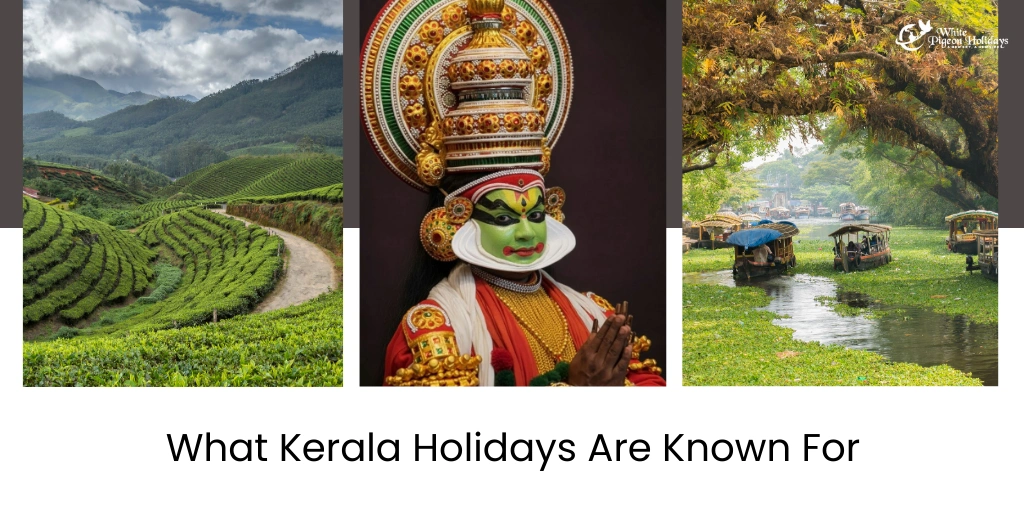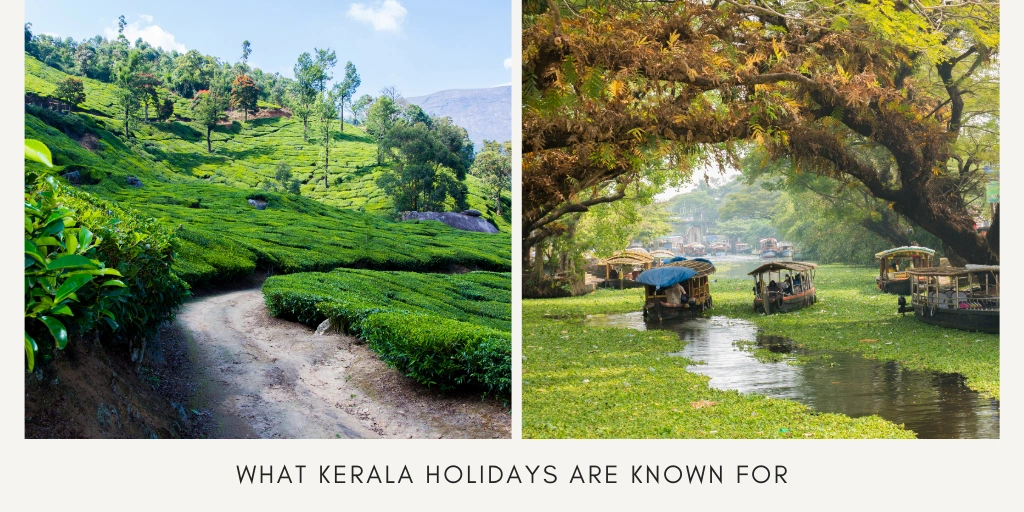
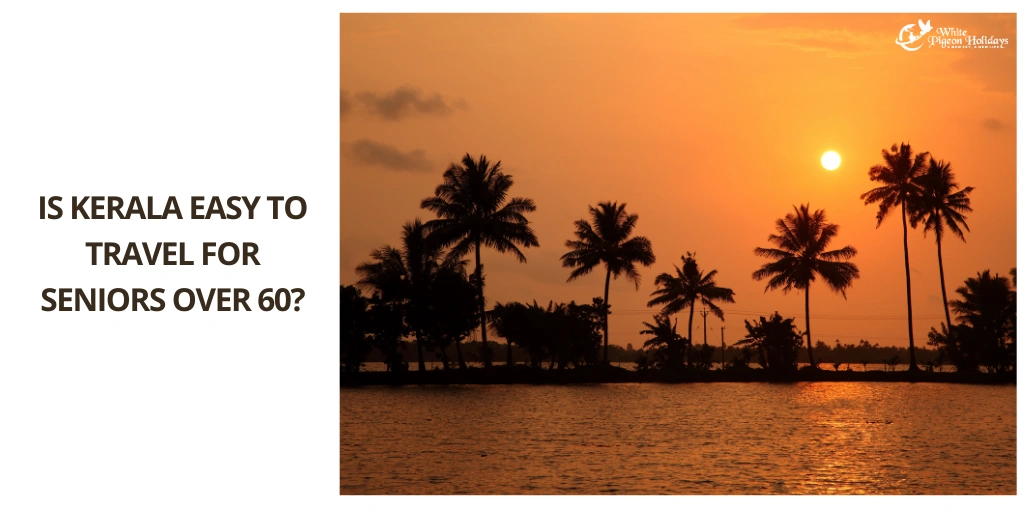
If you’re over 60 and thinking about Kerala, this question usually comes before everything else.
Not sightseeing.
Not hotels.
Not even cost.
The real question is simple.
“Will my body be okay with this trip?”
That’s a sensible question.
And honestly, it’s the right place to start.
Kerala can be very comfortable for seniors.
But it can also feel tiring if it’s planned the wrong way.
So let’s talk about what it actually feels like on the ground, without sugar-coating anything.
Written by
Nitin Batra
Founder & Travel Expert · White Pigeon Holidays
With 25+ years in the tourism industry — from Airport Concierge to Vice President — Nitin founded White Pigeon Holidays in 2021 to help international travellers explore India with confidence. His hands-on experience across Asia, Europe, the Middle East, and the West shapes every journey he crafts.
💡 What Most Seniors Discover After Arriving in Kerala
Before travelling, many people imagine Kerala will be more physically demanding than it actually is.
For most travellers over 60, Kerala feels less like an active holiday and more like a comfortable journey through scenic landscapes, backwaters, hill stations, and cultural experiences.
What “Physically Easy Travel” Actually Means for Seniors
When seniors ask if a destination is physically easy, they’re not asking one single thing.
They’re asking several practical questions at once.
For Kerala, physical effort usually comes from:
- How much walking is expected
- Whether there are stairs or steep areas
- How long you sit in the car each day
- How easy it is to rest, eat, and use bathrooms
- Whether hotels are comfortable and accessible
Kerala senior friendly travel isn’t about eliminating effort completely.
It’s about controlling it.
Can Seniors Comfortably Board a Kerala Houseboat?
Yes — most seniors can board a Kerala houseboat without much difficulty.
The main physical demand is a single step down from the jetty onto the boat deck.
It’s not a big jump, but it does require balance.
Here’s what the boarding typically looks like:
- A crew member stands at the edge and guides you by hand
- The boat is tied firmly while guests step on, so it doesn’t rock much
- The deck itself is flat and spacious once you’re on
- Handrails are present on most standard houseboats
The tricky part: Bathrooms inside houseboats can have narrow doors and small spaces.
If you use a walker or have significant balance issues, ask your tour operator specifically about “senior-friendly houseboat setup” before booking — some operators have wider doorways and better-fitted rooms.
For most seniors in reasonable health, boarding takes about 10 seconds with crew help.
The rest of the houseboat experience — meals, views, sleeping — requires almost no physical effort at all.
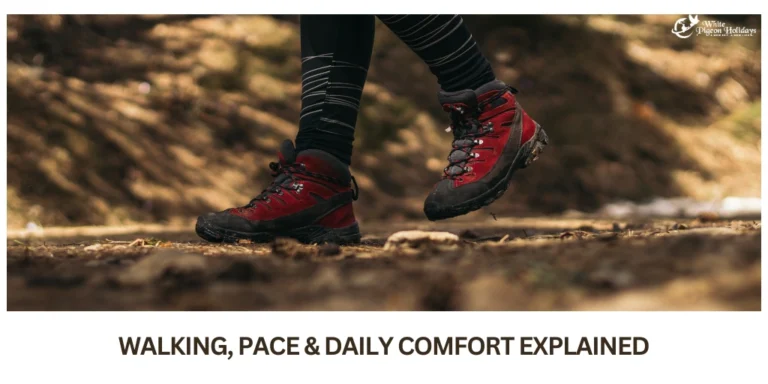
How Much Walking Is Really Required in Kerala?
Sightseeing & Walking Reality
This is usually the biggest fear.
And the good news is, Kerala is not a walking-heavy destination.
Most sightseeing in Kerala is vehicle-based.
You are driven close to viewpoints, resorts, or entrances.
Walking, when it happens, is usually short and optional.
Here’s what that looks like in real terms:
- Short walks inside tea gardens or viewpoints
- Gentle strolls near backwaters or beaches
- No long city walking tours like in major Indian metros
You are rarely expected to walk continuously for long periods.
And almost everything can be adjusted.
That’s why the answer to “how much walking is required in Kerala” is usually: less than people expect.
Breakthrough Question
I can walk comfortably but not for hours. Is Kerala still a good choice?
Yes. Most senior-friendly Kerala itineraries involve short walks, scenic drives, backwater cruises, and frequent opportunities to sit, rest, and enjoy the surroundings. :contentReference[oaicite:0]{index=0}
Will I be expected to keep up with a fast sightseeing schedule?
Not on a well-planned trip. Many senior travellers enjoy Kerala most when they spend longer in fewer destinations rather than changing hotels every day. :contentReference[oaicite:1]{index=1}
I’m over 70. Will Kerala feel physically demanding?
For most travellers, Kerala is considered one of India’s more relaxed destinations thanks to its backwaters, scenic drives, wellness experiences, and slower-paced sightseeing. :contentReference[oaicite:2]{index=2}
What part of Kerala is usually easiest for seniors?
The backwaters around Alleppey and Kumarakom are often considered the most comfortable areas because much of the experience involves relaxing on houseboats, enjoying resort stays, and taking in the scenery. :contentReference[oaicite:3]{index=3}
What usually causes fatigue during a Kerala trip?
Most fatigue comes from overpacked itineraries, long driving days, and trying to see too much in a short time. A slower pace is often the key to a comfortable Kerala experience. :contentReference[oaicite:4]{index=4
When Is the Best Time for Seniors to Visit Kerala?
November to February is the sweet spot for seniors.
The heat and humidity are at their most manageable during this window.
Here’s a quick breakdown:
| Month | Temperature | Humidity | Good for Seniors? |
|---|---|---|---|
| November | 24–29°C | Moderate | Yes, an excellent time to visit. |
| December–January | 20–27°C | Low | Best months overall for senior travellers. |
| February | 22–29°C | Low to Moderate | Very comfortable for sightseeing. |
| March–May | 32–36°C | High | Warm and humid, generally not ideal for seniors. |
| June–September | 26–30°C | Very High (Monsoon) | Usually avoided for comfort because of heavy rain and humidity. |
| October | 25–30°C | Moderate | Comfortable for most travellers, with occasional post-monsoon showers. |
December and January are the most comfortable months for seniors.
Temperatures stay between 20–27°C during the day.
It rarely feels oppressive.
You can do early-morning sightseeing and still have energy in the late afternoon.
One important note: December is also peak tourist season.
Prices are higher and popular spots like Alleppey and Munnar get busier.
If that’s a concern, late November or early February offer nearly the same weather with fewer crowds.
Travel Pace in Kerala – Slow or Tiring?
Kerala covers a large area.
But it doesn’t need to feel rushed.
The biggest factor for seniors is not distance.
It’s how many places are squeezed into one trip.
A well-planned Kerala trip for seniors usually follows this rhythm:
- Morning travel or sightseeing
- Midday rest or hotel time
- Light activity or relaxed evening
Afternoons are often kept free, especially in warmer regions.
This pacing makes a big difference to energy levels.
This is why Kerala travel pace for seniors depends more on planning than age.
Roads, Drives & Transfers – What Seniors Should Expect
Kerala has good roads in many areas, especially between major tourist regions.
But hill roads can be winding.
And traffic near towns can slow things down.
What works best for seniors:
- Shorter drives spread over more days
- Private vehicles with flexible stop options
- Avoiding back-to-back long road journeys
When people ask, “Is Kerala easy to travel for seniors?”, this is a big part of the answer.
With the right transport choices, yes.
Without them, it can feel tiring.
Hotels & Comfort – A Major Advantage for Seniors in Kerala
This is one area where Kerala really shines.
Hotels and resorts here are used to older guests.
Staff are generally attentive and patient.
Resort-style properties offer space, quiet, and easy movement.
Senior-friendly features commonly include:
- Elevators or ground-floor rooms
- Calm surroundings instead of busy streets
- Room service and flexible meal timings
- Staff assistance when needed
For a Kerala trip for older adults, hotel choice often matters more than sightseeing choices.
Is Ayurveda Worth Trying for Seniors on a Kerala Trip?
For most seniors, yes — a short Ayurveda experience in Kerala is worth it.
Kerala is where Ayurveda originated, and the quality of practitioners here is generally far higher than what you’d find elsewhere.
What Ayurveda actually looks like for seniors on a short trip:
- Most resorts offer 60–90 minute sessions
- Common treatments include Abhyanga (warm oil massage), Shirodhara (oil poured on the forehead), and herbal steam baths
- You don’t need to commit to a multi-week program to get benefit
- These sessions often help with joint stiffness, stress, and sleep quality
What to be careful about:
- Skip any Panchakarma or intensive detox programs unless you have at least 7–10 days and are under proper supervision
- Always tell the practitioner about your existing medications before starting
- Choose resorts or clinics that have a licensed Ayurvedic doctor on-site, not just massage therapists
The experience itself is gentle and relaxing — not physically demanding.
Most seniors say it’s one of the highlights of the trip.
Heat, Humidity & Energy Management for Seniors
Kerala is warm and humid for much of the year.
That’s a reality, not a flaw.
What makes it manageable is how days are structured.
Helpful practices include:
- Sightseeing in the early morning
- Avoiding midday outdoor activity
- Choosing hill stations or coastal areas for balance
- Staying hydrated and resting often
When people ask if Kerala is physically demanding for seniors, the honest answer is:
It can be, if heat is ignored.
It usually isn’t, when tours are paced correctly.
Medical Access & Safety for Seniors in Kerala
This is an unspoken concern for many seniors.
And it’s a valid one.
Kerala has strong healthcare infrastructure.
Good hospitals and clinics are available in major towns and cities.
Access to medical help is generally straightforward.
This matters because peace of mind affects how relaxed you feel every day.
And yes, Kerala is considered safe for elderly tourists when basic precautions are followed.
Health Prep Checklist for Seniors Flying to Kerala from the USA
This is something most travel blogs skip, but it matters — especially if you’re flying from the US.
At least 4–6 weeks before you go:
- Visit your doctor and get a travel health consultation
- Ask specifically about hepatitis A and typhoid vaccines (recommended for India)
- Check if your routine vaccinations (flu, tetanus) are up to date
- Get your prescriptions refilled with enough supply for the trip plus 10 extra days
Medications to pack:
- All your regular medications in carry-on luggage, not checked bags
- Oral rehydration salts (very useful if you feel dehydrated in the heat)
- A basic anti-diarrheal like Imodium — stomach adjustments are common
- Mosquito repellent with DEET — dengue is present in Kerala, especially during and after monsoon season
Travel insurance — don’t skip this:
- Standard Medicare does NOT cover you outside the US
- Get a travel health insurance policy that includes emergency medical evacuation
- Look for plans that cover pre-existing conditions — many US-based seniors insurers offer this now
- Allianz, GeoBlue, and Seven Corners are commonly used options for American seniors traveling to India
On the flight:
- Stay hydrated — the 14+ hour journey can cause swelling in ankles and legs
- Walk the aisle every couple of hours
- Compression socks are genuinely useful here
When Kerala May NOT Be the Best Choice for a Senior Traveler
It’s important to be honest here.
Kerala may be challenging if you:
- Have severe mobility limitations without assistance
- Are extremely sensitive to heat
- Find even short drives uncomfortable
This doesn’t mean Kerala is “bad.”
It just means it may not be the right first choice without extra support.
So, Is Kerala Physically Easy for Seniors Over 60?
The balanced answer is this.
Yes, Kerala can be physically easy for seniors over 60.
But only when it’s planned with comfort in mind.
Kerala itself is adaptable.
The difficulty usually comes from rushed itineraries, not the destination.
This is why many seniors who plan thoughtfully end up enjoying Kerala far more than they expected.
Not Sure If Kerala Is Right for You?
Every senior traveler is different.
Stamina varies.
Comfort levels vary.
Rather than guessing, it helps to assess fit calmly before committing.
Take the Senior Travel Suitability Check
This quick check helps you decide whether Kerala matches your physical comfort level — or whether another route might suit you better.
Travel should feel manageable.
Not like something you need to “push through.”