

If you’re coming from the USA, the biggest hesitation I hear isn’t about places to see—it’s the weather.
Kerala looks beautiful all year, but its tropical climate works in clear seasons.
Some months are bright and breezy, others are green and rain-soaked, and a few are hot but full of local life.
So when people ask about the best time to visit Kerala, the honest answer is this: it depends on what you want your days to feel like.
Clear skies and smooth sightseeing?
Quiet resorts and spa time?
Budget-friendly travel with fewer crowds?
This Kerala weather guide is meant to remove the guesswork and help you line up comfort, experiences, and timing—without surprises.
If you want a simple reference you can keep open while planning, grab our free Kerala Month-wise Travel Planner.
It’s a quick cheat sheet with seasonal highlights, packing tips, and a flexible itinerary framework.
The Golden Window: Winter (October to March)
Peak Comfort: Why Winter Is the Classic Choice
For most travelers from the USA—especially first-time visitors—winter is the safest and easiest season to travel across Kerala.
The monsoon has washed the landscape clean, the greenery is fresh, and humidity drops to manageable levels.
Days feel pleasant, evenings are comfortable, and you can move between beaches, backwaters, wildlife parks, and hill stations without weather stress.
This period, often referred to as peak season Kerala, runs from October through March and sets the standard for relaxed sightseeing.
Pros
- Comfortable weather for beaches, backwaters, safaris, and city walks
- Great time for festivals like Christmas and New Year
- Smooth road conditions and clear views in hill regions
Cons
- Popular hotels and houseboats are often 70–80% booked well in advance
- Flights from the USA fill quickly around the holidays
Packing tip: Light cotton clothing works during the day, but pack a sweater or light jacket for evenings—especially if you’re heading to Munnar or other hill areas.
The Lush Escape: Monsoon (June to September)
The Green Season: Monsoon’s Dramatic Shift
Many travelers see rain on the forecast and panic.
In reality, Kerala monsoon travel offers a completely different side of the state—quiet, deeply green, and incredibly atmospheric. Yes, it rains.
Sometimes heavily.
But what you get in return is space, value, and scenery that simply doesn’t exist in drier months.
This season suits travelers who enjoy nature, wellness, photography, and slower days.
| Aspect | Details |
|---|---|
| Weather | Frequent rain, high humidity. Temperatures around 19°C–30°C. |
| Rain Intensity | Strongest from June to August; lighter toward September. |
| Best Regions | Backwaters, waterfalls, wellness resorts, quiet hill stays. |
Why people choose the monsoon
- Striking scenery: Waterfalls like Athirapally Waterfalls are at full force, and the countryside turns intensely green
- Ayurveda focus: Traditionally, this is considered the best season for treatments such as Karkidaka Chikitsa; many travelers plan trips around Ayurveda Kerala monsoon programs
- Better value: Hotels and resorts offer deep discounts, and crowds are minimal
Things to keep in mind
- Outdoor sightseeing can shift based on rain
- Some trekking routes and parks may close temporarily
- Roads in hilly areas need careful driving
Practical advice: Pack quick-dry clothes, solid rain gear, and keep itineraries flexible. This season rewards travelers who go with the flow.
The Quiet Interlude: Summer (March to May)
The Hot Season: Hill Stations and Local Rhythm
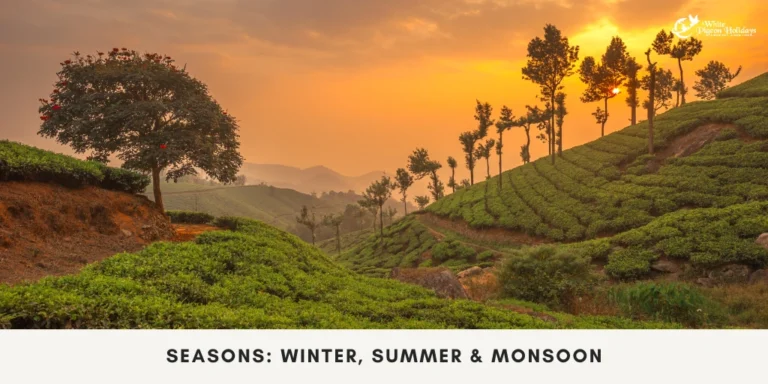
Summer is often overlooked, but it works well for a specific type of traveler.
Coastal Kerala can feel hot and humid during these months, yet hill stations stay comfortable and uncrowded.
This is also when many local festivals take place, giving you a look at everyday life rather than tourist-heavy scenes.
For travelers who don’t mind warmth and want better pricing, Kerala summer travel can make sense.
What summer looks like
- Plains and coast: Hot and humid, around 29°C–38°C
- Hill stations: Cooler and refreshing, especially in Munnar and Wayanad
Why consider summer
- Fewer international tourists
- Good deals before monsoon pricing drops further
- Access to cultural events like Thrissur Pooram
Simple travel tip: Stay hydrated, plan sightseeing early in the day, and base your itinerary around higher-altitude destinations.
Your Seasonal Matchmaker: Choosing Based on Your Priorities

Find Your Season: A Traveler’s Decision Guide
If you want a fast way to decide, this table does the heavy lifting. Match your main goal with the season that fits it best.
| If Your Priority Is… | Best Season | Why It Fits | Key Notes |
|---|---|---|---|
| Comfort & clear skies | Winter (Oct–Mar) | Dry weather and pleasant temperatures | Book flights and hotels 3–6 months early |
| Backwaters & houseboats | Winter (Oct–Feb) | Gentle breezes and calm waters | High demand—reserve early |
| Lush scenery & photos | Late Monsoon (Sep–Oct) | Green landscapes with lighter rain | September offers value with beauty |
| Ayurveda & wellness | Monsoon (Jun–Sep) | Climate supports traditional therapies | Choose certified wellness resorts |
| Budget travel | Summer (Apr–May) or Monsoon | Lowest hotel and flight prices | Stay flexible and pack for heat or rain |
| Wildlife safaris | Winter (Oct–Feb) | Better animal visibility near water | Periyar National Park and Wayanad Wildlife Sanctuary are strong choices |
Best Time to Visit Kerala with Family
If you’re traveling with children, parents, or multiple generations, plan your Kerala trip between November and March.
The weather is comfortable for long sightseeing days, boat rides, nature walks, and exploring different regions without feeling drained by heat or heavy rain.
This is the season when Kerala feels most accessible and enjoyable for families who want a smooth, hassle-free vacation.
Best Time to Visit Kerala with Friends
Traveling with friends often means packed itineraries, spontaneous plans, and plenty of time outdoors.
For that reason, November to March is usually the sweet spot. You can spend more time on beaches, road trips, wildlife excursions, and outdoor activities without constantly checking the weather forecast.
If your group is budget-conscious, October and April can also offer good value with fewer tourists and lower hotel rates.
When Not to Visit Kerala
If your idea of a perfect vacation includes clear skies, beach days, and uninterrupted sightseeing, you may want to avoid June through September.
These months bring Kerala’s annual monsoon. Rain can arrive suddenly, outdoor plans may need adjustments, and travel between destinations can take longer than expected.
That said, “not recommended” doesn’t mean “not worth visiting.” Many travelers actually visit during the monsoon for the mist-covered hills, greener landscapes, and quieter atmosphere that Kerala is famous for during the rainy season.
Your Kerala, Perfectly Timed
Kerala doesn’t have a single “right” month—it has seasons that suit different travel styles.
Once you line up weather, activities, and budget with the right window, the trip feels smooth rather than rushed.
If you want help turning this into a real itinerary, download the Month-wise Travel Planner or speak with our Kerala specialists to shape a trip that fits your timing and comfort.
FAQs
Can I visit Kerala in July or August?
Yes. Expect frequent rain, but also dramatic scenery and fewer tourists. It’s a strong season for wellness stays and relaxed travel.
What is the hottest month in Kerala?
April and May are usually the hottest, especially along the coast and in the plains.
Is it safe to visit hill stations like Munnar during monsoon?
Generally yes, with care. Roads are maintained, but check local advisories and avoid late-night driving during heavy rain.
When does the Onam festival take place?
Onam typically falls in August or September, featuring boat races, cultural events, and traditional feasts.
What should I pack for a winter trip to Kerala?
Light cotton clothes for daytime, plus a light jacket or sweater for evenings—especially in hill stations where temperatures drop noticeably.
