Is Kerala Safe to Travel Right Now?
There are no active travel bans or government advisories specific to Kerala's popular tourist regions.
Destinations like Munnar, Alleppey, Kochi, Thekkady, and Wayanad are fully open and receiving international visitors.
This can affect outdoor activities and hill travel.
Landslide warnings are issued periodically — always check local advisories before heading into hill stations during this period.
For the most current information:
Check your government's official travel advisory website before departure.
Is Kerala Safe for Travelers From the USA?
If you are planning your first trip to India, it is completely normal to ask whether Kerala is a safe place to visit.
You are traveling thousands of miles from home, so you want to know what to expect before you book your flights.
I will tell you this first.
Kerala is one of the safest places you can visit in India, especially if you are traveling with your family, your partner, on your own, or as a senior traveler.
That does not mean you should ignore basic travel precautions.
The same common sense you would use in any unfamiliar destination also applies in Kerala.
The good news is that most visitors find Kerala clean, welcoming, well-organized, and easy to travel around.
Friendly local people, good tourism infrastructure, and a relaxed atmosphere make it a comfortable destination for many first-time visitors to India.
In the next sections, I will help you understand what Kerala is really like, the situations you should be aware of, and a few simple precautions that will help you enjoy your trip with confidence.
Why Do So Many Travelers Feel Safe in Kerala?
If you ask people who have already visited Kerala, many of them will tell you the same thing. They felt comfortable from the day they arrived until the day they returned home.
That feeling does not come from one reason alone. It comes from good tourism infrastructure, welcoming local people, and systems that are designed to help visitors travel more comfortably.
Tourist-Friendly Environment
You will find Kerala to be one of India’s most organized tourist destinations, making it easier for first-time visitors to travel with confidence.
Tourist Police Support
Kerala has dedicated Tourist Police officers who assist visitors and help resolve travel-related issues in popular tourist areas.
Relaxed Travel Atmosphere
Most visitors describe Kerala as calm, welcoming, and easy to explore, whether they are traveling as a couple, with family, or on their own.
Popular With International Travelers
Kerala welcomes visitors from around the world every year, so tourism services are well prepared for international guests.
Where Will You Usually Find Tourist Police?
If you ever need assistance during your trip, Tourist Police officers are commonly available at places such as:
- Airports.
- Popular beaches.
- Backwater boat boarding points.
- Major tourist attractions.
- Busy sightseeing areas.
Healthcare and Emergency Support in Kerala
Kerala has a well-developed healthcare system, and good medical care is available in most popular tourist destinations.
You will find private hospitals, English-speaking doctors, pharmacies, and emergency medical services in cities such as Kochi, Munnar, Thekkady, and Trivandrum.
If you are traveling with senior family members, young children, or have an existing medical condition, carry enough medication for your entire trip along with a copy of your prescription.
I also recommend purchasing travel insurance before leaving the USA. It can help cover unexpected medical expenses, emergency treatment, hospitalization, or medical evacuation if needed during your Kerala holiday.
Friendly People and a Well-Educated Community
Kerala is known for having one of the highest literacy rates in India, and many travelers notice the difference during their visit.
You will often find it easier to communicate with local people, ask for directions, and receive helpful assistance when needed.
Residents across Kerala are accustomed to welcoming visitors from around the world and generally treat tourists with warmth, courtesy, and respect.
For many first-time travelers from the USA, this friendly and welcoming atmosphere makes exploring Kerala feel much more comfortable.
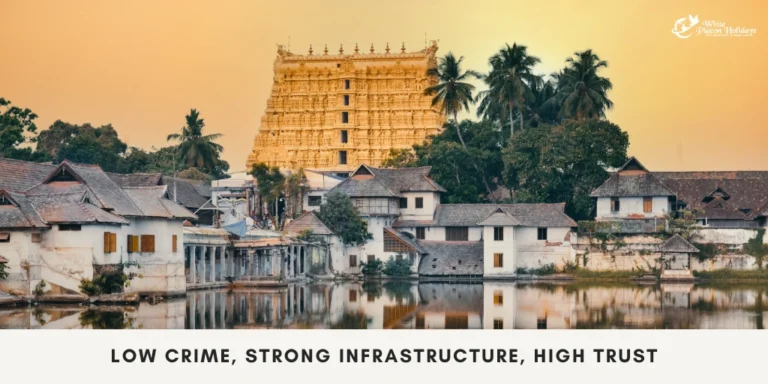
Check the Latest Travel Advisory Before You Go
Before traveling to India, it is always recommended to review the latest travel advisory issued by your government. This helps you stay informed and travel with confidence.
Most travel advisories focus on specific regions that are far from popular tourist destinations. Kerala, located in southern India, is generally considered one of the most welcoming and stable regions for international travelers.
It is still important to stay updated before your departure and follow any travel guidance relevant to your itinerary.
For the most accurate information, always check official government travel advisory sources before your trip.
Travel With Confidence
A well-planned trip reduces uncertainty. Simple preparation steps help you focus on the experience instead of concerns.
This is especially useful for first-time visitors planning a Kerala journey from abroad.
Is Kerala Safe for the Way You Travel?
Every traveler has different concerns, and the answer often depends on who you are traveling with.
Whether you are planning a solo adventure, a family vacation, or a trip with your partner, Kerala offers a welcoming environment when you follow basic travel precautions.
The overview below highlights what different types of travelers can generally expect, helping you plan your trip with greater confidence.
Traveler Safety Overview
| Traveler Profile | Safety Assessment | Key Practical Advice |
|---|---|---|
| Solo Female Travelers | Very safe and widely preferred | Use Uber/Ola or hotel taxis, dress modestly, stay in well-reviewed hotels or homestays |
| Families | Excellent choice | Supervise kids near water, choose family-friendly stays, avoid late-night travel in isolated areas |
| General Tourists | Very safe | Watch belongings in crowds, use licensed transport, avoid empty areas after dark |
Solo Female Travelers: What to Expect
Kerala is often recommended as the best starting point for women traveling alone in India.
Why?
- Streets feel calmer
- Public behavior is more respectful
- Women travel alone locally, which creates a safer atmosphere
Helpful habits:
- Stick to known areas at night
- Share your hotel details with someone back home
- Trust your instincts—if something feels off, move away
Many women travelers say Kerala feels safer than expected, especially compared to big metro cities.
What Parents Should Know Before Visiting Kerala
Families Traveling With Children
Kerala is a comfortable destination if you are traveling with children.
You can easily find family-friendly resorts, spacious houseboats, and restaurants that welcome young travelers.
The roads are generally less chaotic than many other parts of India, which makes long drives more comfortable for children.
One thing I would definitely recommend is keeping a close eye on your children near beaches, lakes, rivers, and the backwaters.
You will spend a lot of time around water during your Kerala trip, so a little extra attention can help you enjoy the holiday without unnecessary worry.
Is It Safe to Go Out at Night in Kerala?
Yes, you can comfortably spend your evenings in most of Kerala's popular tourist destinations. If you are planning to have dinner, walk along the waterfront, enjoy a cultural performance, or relax at a café, you will generally feel comfortable in well-known tourist areas. Like any destination, I will recommend using the same common sense you would use anywhere else in the world.Evening Walks
You can enjoy evening walks in popular tourist areas where restaurants, cafés, and other visitors are still around.Getting Back to Your Hotel
If you are returning late, I will recommend using a trusted taxi service or transportation arranged by your hotel.Families and Couples
Many families, couples, and senior travelers comfortably explore Kerala after sunset without any difficulty.Solo Travelers
Many solo travelers, including women, enjoy Kerala comfortably, especially when staying in established tourist destinations and following normal travel precautions.One Thing I Will Recommend
You do not have to avoid going out after sunset just because you are visiting Kerala for the first time. I will simply recommend following a few sensible habits throughout your trip.- Stay in well-known tourist areas during the evening.
- Use trusted taxis or hotel-arranged transportation at night.
- Avoid isolated streets or beaches late at night.
- Keep your phone charged and your hotel details with you.
Simple Travel Habits That Make Your Kerala Trip Better
A few everyday habits can help you stay healthy, travel responsibly, and enjoy a smoother experience throughout your journey.
The tips below are easy to follow and can make a noticeable difference, especially if this is your first visit to Kerala.
Water & Food
- Drink only bottled or filtered water
- Avoid ice from unknown places
- Eat at busy, well-reviewed restaurants
Medical Prep
- Talk to your doctor about vaccines like Hepatitis A and Typhoid
- Carry basic medicines for stomach issues
- Use mosquito repellent, especially near water
Most travelers who follow these steps stay healthy throughout their trip.
Environmental Awareness: Monsoon and Nature
Kerala’s natural beauty comes with seasonal changes.
Monsoon Season (June to September):
- Heavy rain
- Possible flooding in low areas
- Landslides in hill regions like Munnar and Wayanad
During monsoon:
- Avoid trekking during heavy rain
- Follow local advisories
- Choose experienced drivers for hill travel
Outside monsoon months, travel is smooth and safe.
Respect Local Customs for a More Enjoyable Trip
Kerala is welcoming to visitors, and a few simple cultural practices will help you feel comfortable while showing respect for local traditions.
Dress Appropriately
You do not need to change your style completely, but modest clothing is appreciated when visiting temples, villages, and other religious or cultural sites.
Keep in mind:
- Cover your shoulders and knees when entering temples or traditional communities
- Save beachwear for the beach or pool area rather than wearing it around towns or markets
Follow Local Etiquette
A few thoughtful gestures go a long way.
It is considered polite to:
- Remove your shoes before entering temples or someone’s home
- Keep public displays of affection to a minimum
- Ask for permission before photographing local people
Simple Tips for a Better Kerala Experience
Once you feel confident about safety, you can focus on making the most of your time in Kerala.
A few small choices can make your journey more enjoyable and help you connect with the local culture.
Easy Ways to Enhance Your Trip
- Learn a few local words, such as “Namaskaram” (hello), to greet people with respect.
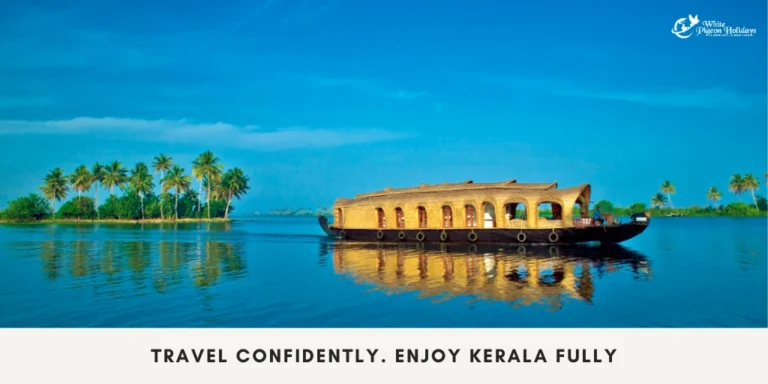
- Choose government-approved houseboats for a safer and more reliable experience.
- Support local guides, family-run businesses, and eco-tourism initiatives whenever possible.
- Pack a light sweater or jacket if you are visiting hill stations like Munnar, where evenings can be cool.
- Leave a small tip for good service if you wish. It is appreciated but not expected.
Pros and Cons of Travelling to Kerala as a Tourist
Pros of Visiting Kerala
- Diverse landscapes featuring beaches, backwaters, hill stations, wildlife, and tea plantations.
- Famous backwater experiences in places like Alappuzha and Kumarakom.
- Pleasant climate in hill destinations such as Munnar.
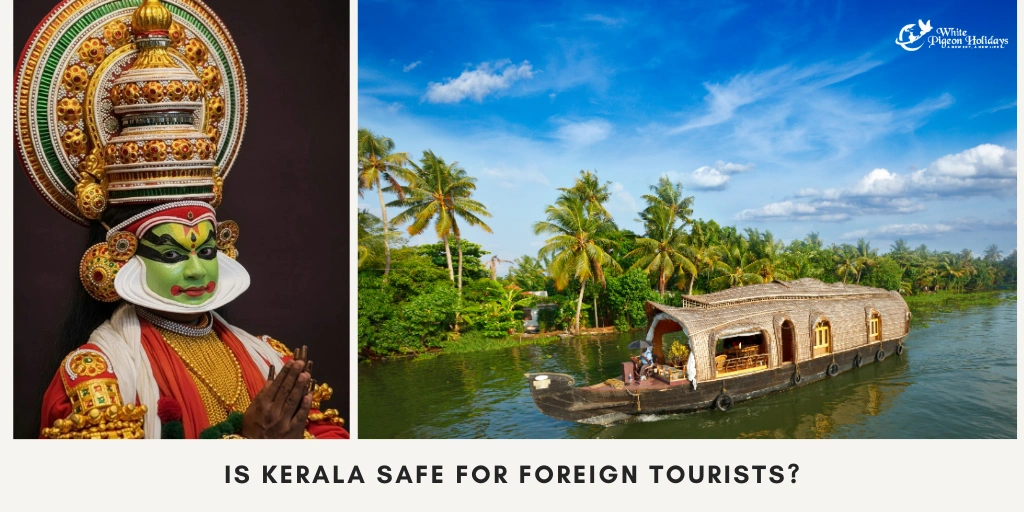
- Rich cultural traditions, including Kathakali performances, temple festivals, and local cuisine.
- Excellent options for wellness, Ayurveda, and relaxation-focused holidays.
- Strong tourism infrastructure with accommodations for every budget.
- Generally considered one of India’s safer destinations for international travelers.
- Ideal for couples, families, senior travelers, and nature lovers.
Cons of Visiting Kerala
- Monsoon rains (June–September) can disrupt outdoor sightseeing and beach activities.
- Travel between destinations can take longer than expected due to winding roads and traffic.
- Some popular tourist areas can become crowded during peak season.
- Luxury accommodations and houseboats can be expensive during winter months.
- Limited nightlife compared to major metropolitan destinations.
- Humidity can be uncomfortable for some travelers, especially in coastal areas.
- Certain remote attractions may require long road journeys.
Your Safe and Spectacular Kerala Awaits
Kerala proves that India can feel calm, organized, and welcoming—especially when you travel prepared.
Low crime, tourist-focused systems, good healthcare, and respectful local culture make Kerala one of the safest destinations in the country for foreign visitors.
When travelers follow simple habits and stay informed, Kerala rewards them with peace of mind and deeply enriching experiences.
Ready to plan your safe and unforgettable Kerala adventure with complete peace of mind?
Download your comprehensive Safety & Comfort Checklist now, and take the first step toward a worry-free journey to God’s Own Country.
Frequently Asked Questions
Everything foreign tourists should know about staying safe while traveling in Kerala.
01Is Kerala safe for foreign tourists?
Yes. Kerala is widely regarded as one of India's safest destinations for international visitors when you follow normal travel precautions.
02Is Kerala safe for first-time visitors to India?
Yes. Its tourism infrastructure and welcoming atmosphere make it a popular choice for first-time travelers.
03Is Kerala safe for solo travelers?
Yes. Many solo travelers enjoy Kerala comfortably by using reputable transport and accommodation.
04Is Kerala safe for women traveling alone?
Many women travel safely in Kerala. Basic precautions such as avoiding isolated areas late at night are recommended.
05Is Kerala safe for families with children?
Yes. Kerala offers family-friendly destinations, hotels, and attractions.
06Can senior travelers visit Kerala safely?
Yes. Private transport and a relaxed itinerary make Kerala comfortable for seniors.
07Is it safe to use taxis in Kerala?
Yes. Pre-booked taxis and app-based services are generally the safest options.
08Is public transportation safe?
Buses and trains are widely used, but private transport is often more comfortable for tourists.
09Can I drink tap water in Kerala?
No. Drink sealed bottled water or purified water.
10Is Kerala safe at night?
Popular tourist areas are generally safe, but avoid isolated places late at night.
11Are hospitals easily available?
Yes. Kerala has excellent private hospitals, pharmacies, and English-speaking doctors.
12Should I buy travel insurance?
Yes. Travel insurance is strongly recommended for international visitors.
13Will I find English-speaking locals?
Yes. English is widely understood in tourist areas.
14Is Kerala affected by political unrest?
Tourist areas are generally peaceful. Check official travel advisories before your trip.
15What should I wear in Kerala?
Lightweight clothing is suitable, with modest dress recommended at temples and villages.
16Is Kerala safe during the monsoon?
Yes, but heavy rain may affect travel plans. Monitor local weather forecasts.
17Can I use my credit card?
Cards are accepted in many places, but carry some cash for small businesses.
18Are houseboats safe?
Yes. Book licensed, well-reviewed operators for the best experience.
19What emergency number should I know?
India's national emergency number is 112.
20What is the best safety advice for visiting Kerala?
Stay aware of your surroundings, use trusted services, and respect local customs.