Rajasthan is best explored at a relaxed pace. Most senior travellers enjoy spending more time in each destination instead of moving between cities every day.
See Less. Experience More. A slower itinerary gives you time to appreciate Rajasthan's heritage, local culture, and memorable moments without feeling hurried.
What Is the Best Time of Year for Seniors to Visit Rajasthan?
November to February is the window most seniors should plan around.
Daytime temperatures stay between 10°C and 25°C (50°F to 77°F) during these months.
That’s the difference between sightseeing comfortably and feeling wiped out by noon.
Here’s a quick breakdown:

Written by
Nitin Batra
Founder & Travel Expert · White Pigeon Holidays
With 25+ years in the tourism industry — from Airport Concierge to Vice President — Nitin founded White Pigeon Holidays in 2021 to help international travellers explore India with confidence. His hands-on experience across Asia, Europe, the Middle East, and the West shapes every journey he crafts.
| Month | Temperatures | Notes for Seniors |
|---|---|---|
| October | 20–32°C | Warm but manageable, with fewer crowds than peak season. Morning sightseeing is recommended. |
| November | 15–28°C | Ideal weather with cool mornings, comfortable afternoons and excellent sightseeing conditions. |
| December | 10–24°C | Often considered the best month overall. Pack a light jacket for early mornings and evenings. |
| January | 8–22°C | Cool nights and pleasant daytime temperatures make it excellent for sightseeing. |
| February | 12–26°C | Comfortable weather and a great time to experience events such as the Jaisalmer Desert Festival. |
| March–June | 30–48°C | Generally not recommended for seniors because of extreme daytime heat across much of Rajasthan. |
Summer in Rajasthan hits 45°C+ in May and June.
That’s not just uncomfortable — for anyone with blood pressure issues or heart conditions, it’s genuinely risky.
If you can only travel in summer, early mornings and evenings outdoors with long midday breaks at the hotel is the only workable approach.
But if you have any flexibility, aim for November or December.
You’re not asking how many forts Rajasthan has.
You’re asking something far more practical:
“Will this trip tire me out?”
That’s a fair question. And honestly, it’s the right question to ask before Rajasthan.
Rajasthan is rich, colorful, and deeply cultural—but it can also feel heavy if the pace isn’t right. The good news? Rajasthan itself isn’t the problem. Pacing is.
Let’s talk about what a Rajasthan tour actually feels like day to day for travelers over 60—without sugarcoating anything.
Why Tour Pace Matters More Than Attractions for Seniors
When you’re younger, a busy day feels productive.
When you’re older, the same day feels draining.
For seniors, pace affects:
- how well you sleep
- how your joints feel the next morning
- whether sightseeing feels enjoyable or like a chore
Many older travelers tell us the same thing:
“I loved Rajasthan… but I wish the days were lighter.”
That regret usually comes from rushed itineraries, not from Rajasthan itself.
Asking about pace early isn’t negativity. It’s smart planning.
What “Tour Pace” Actually Means in Rajasthan
When people say “Rajasthan tour pace,” they’re not just talking about walking.
It’s really a mix of four things:
- Travel time between cities
(this is the biggest energy drain) - Sightseeing load per day
(number of forts, palaces, markets) - Standing vs sitting time
(guides, courtyards, museums) - Rest opportunities built into the day
Rajasthan tours are usually structured, not chaotic. But structure can still feel tiring if too much is packed into each day.
What a Senior-Friendly Day in Rajasthan Actually Feels Like
Let me paint a realistic picture.
Morning: A Steady Start, Not a Sprint
A good senior-paced Rajasthan day does not start before sunrise.
- Breakfast at a relaxed hour
- One main sight in the morning
- No hopping between multiple forts back-to-back
This is when energy is highest—and smart itineraries use that wisely.
Midday: Planned Rest (Not “Free Time” on Paper)
Midday rest isn’t accidental in senior-friendly tours. It’s intentional.
- Seated lunch, not rushed street stops
- Return to hotel during peak heat
- Time to lie down, shower, or simply do nothing
Skipping this is where fatigue builds silently.
Evening: Optional, Light, Flexible
Evenings in Rajasthan don’t have to be busy.
- Cultural shows are optional
- Dinner is relaxed
- Some evenings are best spent at the hotel
There’s no rule that says you must go out every night.
Can Seniors Actually Manage Rajasthan’s Forts and Palaces?
This is one of the first things people worry about — and it’s a fair concern.
The honest answer: it depends on the fort, and a good guide or tour operator will tell you this upfront.
Here’s what the major sites actually involve:
| Fort / Palace | Walking Demand | Good News for Seniors |
|---|---|---|
| Mehrangarh Fort, Jodhpur | Moderate | An elevator provides access to the upper museum level, greatly reducing the uphill climb. |
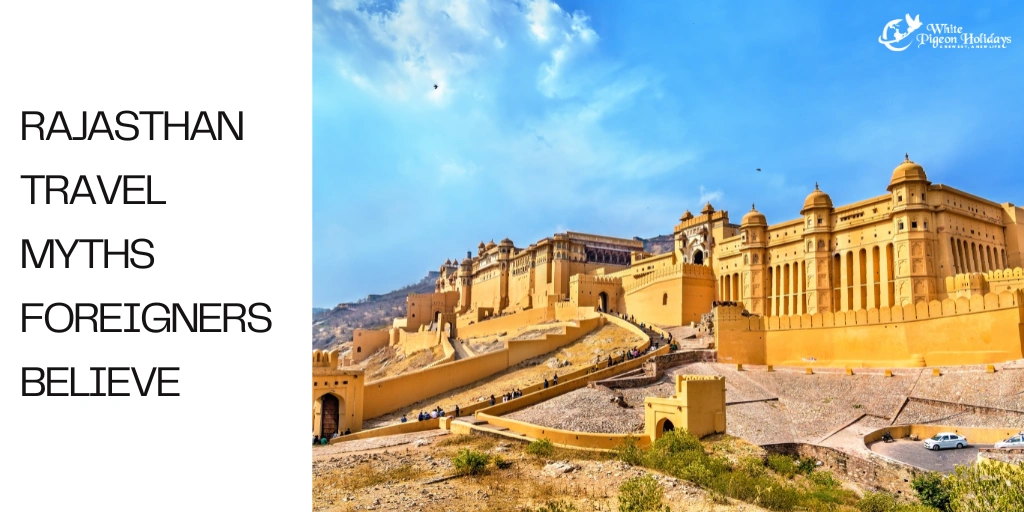
| Amber Fort, Jaipur | Moderate to High | Jeep transport is available to the entrance, allowing visitors to avoid the steep uphill approach. |
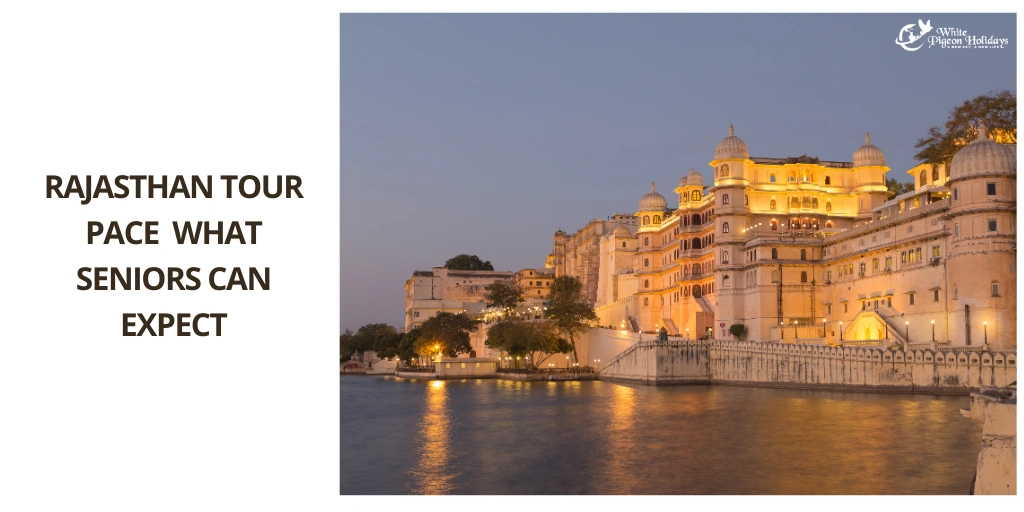
| City Palace, Udaipur | Low | Mostly flat walkways make it one of the easiest royal sites to explore. |
| Junagarh Fort, Bikaner | Low to Moderate | Large sections are paved and relatively level, making walking easier than at many hill forts. |
| Jaisalmer Fort | Low | The fort is a living community where visitors can explore at a relaxed pace without a major climb. |
| Chittorgarh Fort | High | Very large and spread across hills. Many senior itineraries shorten or skip it to reduce walking. |
You don’t have to skip forts entirely.
You skip the parts that don’t suit you — and a good tour operator knows exactly which sections are worth the effort and which aren’t.
Many people over 70 tour Rajasthan’s most famous sites without a single difficult climb.
The key is telling your operator upfront: “I can walk, but I can’t do steep stairs or long uneven terrain.”
Travel Time Between Rajasthan Cities — Is It Exhausting?
This is where seniors feel Rajasthan the most.
Rajasthan distances aren’t huge, but drives are real.
Typical senior-friendly expectations:
- 2–4 hours on most travel days
- Longer drives broken with stops
- Private vehicles with space and AC
What causes exhaustion?
- Trying to change cities every day
- Jaipur → Jodhpur → Jaisalmer → Udaipur without breaks
Fewer cities = less fatigue. Always.
Breakthrough Faqs
How many days do seniors need for Rajasthan?
What is the best Rajasthan itinerary pace for older travelers?
Should seniors visit many Rajasthan cities in one trip?
Is private transportation worth it for senior travelers?
What makes a Rajasthan tour feel rushed?
Is Rajasthan a Rushed Destination for Older Travelers?
Rajasthan itself isn’t rushed.
Some itineraries are.
Here’s the difference seniors feel immediately:
Standard Tours
- Early starts daily
- Long drives back-to-back
- “See everything” mindset
Senior-Paced Tours
- Later starts
- One highlight per day
- Rest treated as part of the plan
Most complaints about Rajasthan being tiring come from the first type.
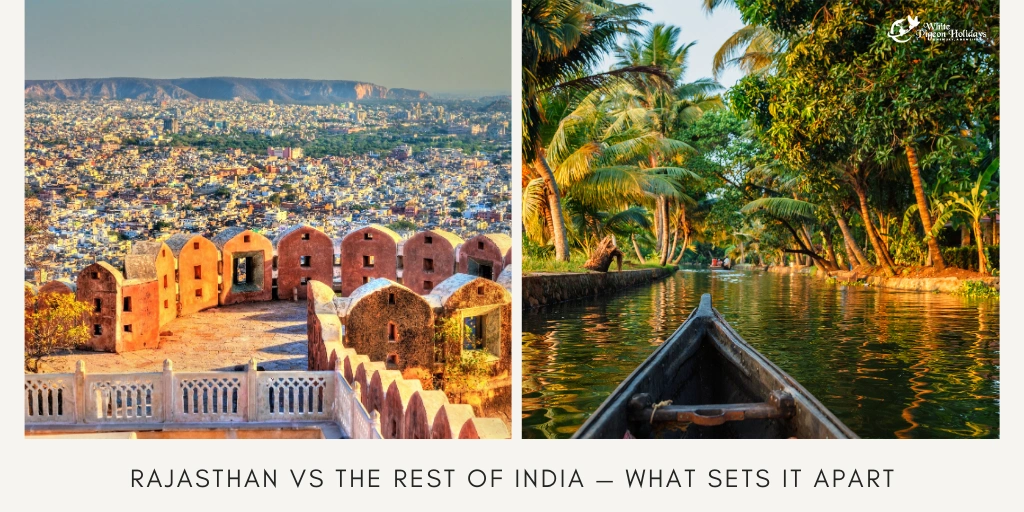
Rajasthan Pace vs Other India Destinations (For Seniors)
| Destination | Daily Pace | Senior Comfort |
|---|---|---|
| Rajasthan | Moderate | ✅ With planning |
| Golden Triangle | Moderate | ⚠️ Needs careful pacing |
| Kerala | Slow-Moderate | ✅ High |
Group Tour vs Private Tour in Rajasthan — Which Works Better for Seniors?
Most seniors who’ve done both say the same thing: private wins, but it costs more.
Here’s why it matters specifically for older travelers:
Group tours:
- Fixed pace — you move when the group moves
- Early morning departures are common (6–7 AM)
- Rest breaks depend on the group’s overall energy
- Cheaper, often $800–$1,500 less than private
- Good if you’re comfortable in social settings
Private tours:
- You set the pace — later starts, longer breaks when you need them
- Driver and guide work around your energy levels
- Easier to skip a site if you’re tired that day
- No pressure to keep up
- Worth it if mobility or stamina is a real concern
If you have a health condition — a bad knee, a heart condition, low stamina — private is not a luxury.
It’s a practical choice that makes the difference between a trip you enjoy and one you push through.
Warning Signs Your Rajasthan Tour Is Too Fast
If you see these in an itinerary, pause:
- Early morning departures every single day
- More than 3 cities in under 8 days
- Long drives with sightseeing on both ends
- No hotel downtime mentioned at all
These aren’t adventurous. They’re exhausting.
Can Rajasthan Tours Be Slowed Down for Seniors?
Yes—and this is where Rajasthan actually works very well.
You can:
- Reduce the number of cities
- Stay 2–3 nights in one place
- Choose hotels closer to attractions
- Skip non-essential visits without losing the experience
A slower Rajasthan tour doesn’t mean “less Rajasthan.”
It usually means better Rajasthan.
Who Rajasthan’s Natural Pace Suits Best
Rajasthan works beautifully for seniors who:
- enjoy culture and history
- like guided, structured days
- are comfortable with moderate, not heavy activity
- value quality over quantity
If you want beaches, silence, and no movement at all—Rajasthan may feel heavy. Otherwise, it’s very doable.
What About Medical Safety for Senior Travelers in Rajasthan?
This is something most tour blogs skip, so here it is plainly.
Rajasthan’s major cities have reasonable medical access.
- Jaipur has several multi-specialty hospitals, including SMS Hospital and Fortis
- Jodhpur has AIIMS — one of India’s top government medical institutes
- Udaipur and Jaisalmer have smaller facilities; serious cases are transferred to Jaipur or Jodhpur
What seniors should do before traveling:
- Carry a printed list of medications with generic names (brand names differ in India)
- Bring at least 2 weeks of extra medication beyond your trip length
- Check that your travel insurance covers medical evacuation
- Share your itinerary and emergency contacts with someone at home
Most senior-specific operators also provide a 24/7 contact number and know which hospitals to go to in each city.
This is a question worth asking before you book — not after.
So… Is Rajasthan a Comfortable Pace for Older Travelers?
Here’s the honest answer:
Yes—when it’s planned for seniors, not backpackers.
Rajasthan is engaging, layered, and deeply rewarding.
But comfort depends on itinerary design, not age.
When the pace is right:
- days feel full, not draining
- evenings feel relaxed, not forced
- you return home with memories, not fatigue
Want to See What a Senior-Friendly Rajasthan Tour Looks Like?
If you’d like to see how Rajasthan can be paced gently—
with fewer cities, sensible drives, and built-in rest—
Talk Through a Comfortable Rajasthan Itinerary
The Right Pace Turns Rajasthan Into an Enjoyable Journey
You don’t need to do everything.
You don’t need to rush.
You don’t need to prove stamina.
The best Rajasthan trips for seniors are steady, thoughtful, and comfortable—and those are the ones people remember fondly.