The Jaipur Gem Scam — How It Works and How to Spot It Before It Starts
The gem scam is the single most financially damaging thing that happens to foreign tourists in Rajasthan.
It’s not violent. It’s not aggressive. It’s charming, patient, and well-practiced.
Here’s how it works, step by step:
Step 1 — The friendly introduction
Your driver, a hotel staff member, or a person you meet near a monument says something like: “My family has a gem export business. Because you’re foreign, you can take gems home tax-free. Locals can’t do this.”
Step 2 — The “factory” or “wholesaler” visit
You’re taken to what looks like a professional shop or showroom. Staff are polite and well-dressed. The stones look beautiful and the “certificates” look official.
Step 3 — The export regulation story
You’re told Indian law prevents you from physically carrying gems across customs — but they can ship them to your home address in the USA or UK on your behalf. You pay now, gems arrive later.
Step 4 — The stones never arrive, or arrive wrong
Either nothing shows up, or cheap glass stones arrive in place of what you paid for. The “certificate” was printed in the back room.
Red flags — any one of these means stop:
- A driver or stranger brings up gems unprompted
- The shop is reached by taking you somewhere unplanned
- Anyone mentions “export regulations” that conveniently require shipping
- Certificates are from labs you can’t verify online (not IGI, GIA, or GJEPC)
- The price feels too good for what you’re being shown
The simple rule:
Never buy gemstones from any shop a driver or stranger takes you to.
Never agree to a shipping arrangement where the gems leave your hands while you’re still in India.
If you want to buy genuine gems in Jaipur, go to Johari Bazaar independently, without being taken there, and only buy what you carry home yourself.

Written by
Nitin Batra
Founder & Travel Expert · White Pigeon Holidays
With 25+ years in the tourism industry — from Airport Concierge to Vice President — Nitin founded White Pigeon Holidays in 2021 to help international travellers explore India with confidence. His hands-on experience across Asia, Europe, the Middle East, and the West shapes every journey he crafts.
Rajasthan looks straightforward when you’re researching it from home.
A few cities.
Some forts.
A desert.
A palace or two.
And that’s exactly why so many first-time visitors from the USA and UK get caught off guard.
Not because Rajasthan is difficult.
But because it’s often misjudged.
This isn’t a destination where mistakes come from lack of interest.
They come from assumptions.
And once you’re on the ground, those assumptions can turn a dream trip into a tiring one.
Let’s walk through the real Rajasthan travel mistakes foreigners make, and more importantly, how to avoid them without overthinking everything.
Why Rajasthan Trips Go Wrong Even When Travelers Research Well
Most people who struggle in Rajasthan didn’t book blindly.
They read blogs.
They watched videos.
They saved itineraries.
Quick Travel Tips for First-Time Visitors
✓ Don’t underestimate travel distances between cities
✓ Leave room for rest days instead of changing hotels every night
✓ Book heritage hotels early during peak season
✓ Carry some cash for small purchases in local markets
✓ Choose a private driver if visiting multiple cities
Mistake #1 – Trying to Cover Too Many Cities
This is the biggest one.
And it happens almost every time.
People try to fit Jaipur, Jodhpur, Udaipur, and Jaisalmer into a single trip.
On paper, it looks efficient.
On the road, it’s exhausting.
What actually happens:
- Long drives stack up
- Fort visits blur together
- You’re constantly packing and unpacking
More cities don’t mean a better experience.
They usually mean less energy per place.
This is one of the most common rajasthan tour mistakes foreigners regret later.
Mistake #2 – Ignoring Travel Time Between Rajasthan Cities
Google Maps will tell you one thing.
Rajasthan will show you another.
Highways are good in parts.
City exits are slow.
Desert stretches take longer than expected.
What travelers expect:
- “It’s only 5 hours, we’ll relax after.”
What actually happens:
- 6–7 hours with stops
- Heat and traffic adding fatigue
- Late arrivals affecting the next day
These rajasthan travel problems don’t feel dramatic individually, but they add up quickly.
This is why internal flights or breaking journeys properly matters more than people think.
Mistake #3 – Choosing Hotels Based Only on Price or Reviews
This one surprises a lot of people.
A hotel can have great reviews and still ruin your day.
Because in Rajasthan, location beats luxury.
Common issues foreigners face:
- Hotels far outside the city to save money
- Traffic-heavy areas causing early fatigue
- Noise that kills sleep
When hotels are poorly placed, mornings start stressed and evenings end early.
Instead of focusing only on stars or ratings, prioritize:
- Distance from key sights
- Quiet surroundings
- Easy vehicle access
This is one of the most overlooked mistakes to avoid in a Rajasthan trip.
Mistake #4 – Treating Rajasthan Like a Backpacking Destination
Rajasthan isn’t built for spontaneous hopping.
And it’s not forgiving when plans fall apart.
Infrastructure exists, but it works best with structure.
Last-minute transport changes, casual hotel switches, or vague routes often lead to confusion.
For foreign travelers, especially first-timers, Rajasthan works better when:
- Routes are fixed
- Transfers are planned
- Days have a clear flow
This isn’t about luxury.
It’s about clarity.
That’s why most solid rajasthan travel tips for foreigners emphasize planning over improvisation.
Mistake #5 – Skipping Guides to Save Money
This one sounds logical until you’re inside a fort.
Without context, forts start feeling similar.
Large.
Impressive.
And strangely repetitive.
Good guides don’t just explain history.
They help with:
- Entry timing
- Crowd avoidance
- Shorter walking routes
They save energy, not just add information.
Skipping guides often leads to mental fatigue faster than physical tiredness, which is why this shows up in many rajasthan tour planning tips shared by experienced travelers.
Mistake #6 – Underestimating Heat, Fatigue & Sensory Overload
Rajasthan isn’t just hot.
It’s stimulating.
Colors.
Sounds.
Crowds.
Constant visual input.
Foreign travelers often underestimate how draining this can be, especially when days are overpacked.
Warning signs you’re pushing too hard:
- Losing interest in sights
- Short tempers
- Wanting to “skip everything” suddenly
These are classic common India travel mistakes first timers make when rest is treated as optional.
Rest days aren’t wasted days in Rajasthan.
They’re recovery days.

Mistake #7 – Booking Without Clear Inclusions & Daily Flow
This is where frustration usually peaks.
Vague itineraries sound flexible, but they hide problems like:
- Extra entry fees
- Unclear guide availability
- Unrealistic sightseeing days
Before confirming anything, always ask:
- What exactly happens each day
- What’s included and what isn’t
- How flexible the pacing really is
Many rajasthan tour mistakes foreigners talk about later could have been avoided with these questions upfront.
The Timing Mistake That Ruins Monument Visits in Rajasthan
Most first-time visitors plan which monuments to see.
Very few plan when to see them — and this is where the experience falls apart.
Here’s what the difference actually looks like:
| Monument | Worst Time to Visit | Best Time to Visit | Why It Matters |
|---|---|---|---|
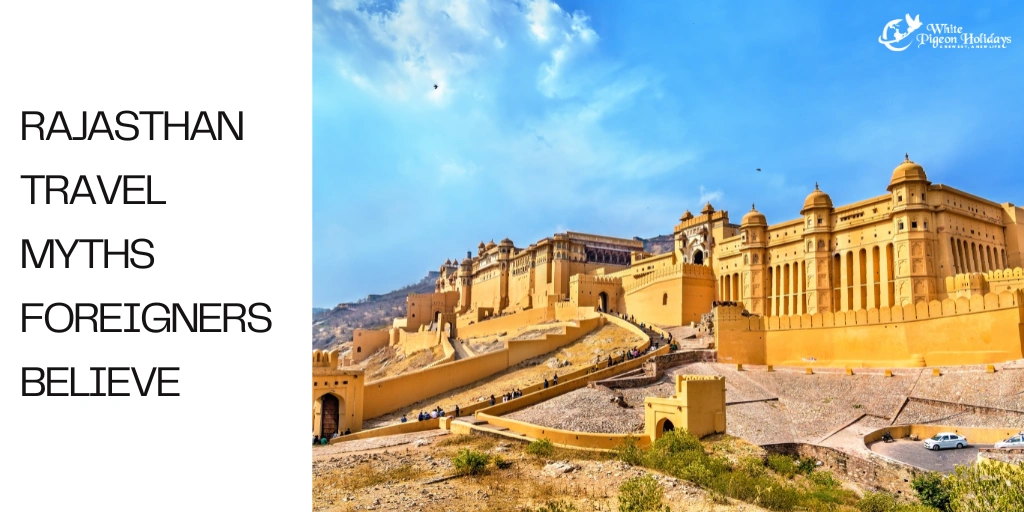
| Amber Fort, Jaipur | 10:00 AM–2:00 PM | 8:00–9:00 AM | By late morning the stone surfaces become extremely hot, crowds increase quickly and elephant ride queues can exceed 45 minutes. |
| Mehrangarh Fort, Jodhpur | 11:00 AM–3:00 PM | 8:30–10:00 AM | The fort sits high above the city and becomes very hot during the afternoon. Early mornings are cooler and much quieter. |
| Jaisalmer Fort | Noon | Early Morning or Late Afternoon | The golden sandstone absorbs heat rapidly, making the narrow streets uncomfortable around midday. |
| Sam Sand Dunes, Jaisalmer | Midday | 4:30–6:30 PM | Sunset completely transforms the desert with cooler temperatures, changing colours and the best photography conditions. |
| City Palace, Udaipur | None (Mostly Indoors) | Any Time | Most galleries are shaded, making afternoon visits perfectly comfortable throughout the year. |
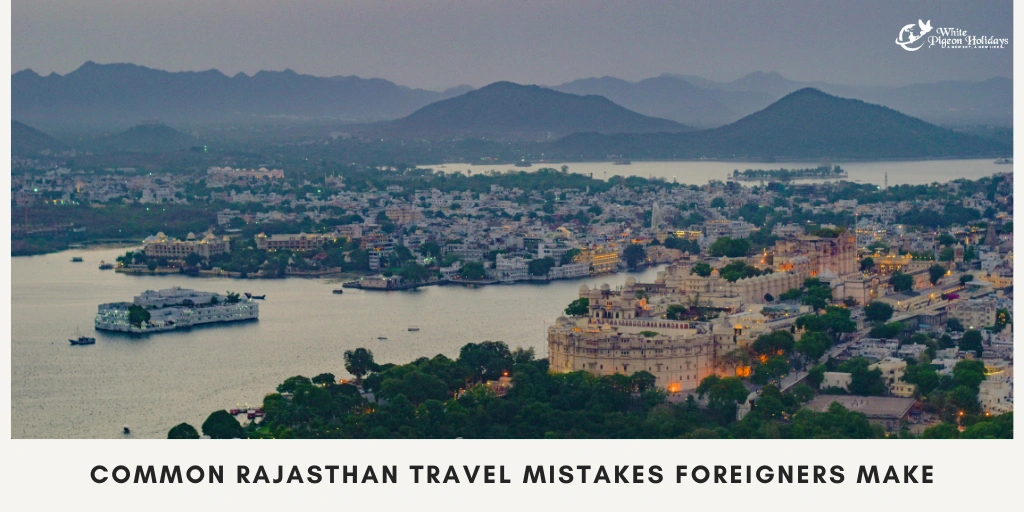
| Lake Pichola Boat Ride | 10:00 AM–3:00 PM | 5:00–6:30 PM (Sunset) | While daytime cruises are pleasant, sunset creates the most spectacular lake views and photographs. |
Arriving at 8am means:
- 80% fewer people at the main courtyard
- 10–12°C cooler than midday
- Far better photos (soft light instead of harsh overhead sun)
- You finish by 10am and beat the heat for the rest of the day
This is one of those things that looks like a small detail in planning but dramatically changes your experience on the day.
Ask your operator specifically what time each monument visit is scheduled for — not just which monument is on which day.
Dress Code Mistakes That Stop You Getting Into Rajasthan’s Most Important Sites
This doesn’t come up in most travel blogs — but it results in real access problems at real monuments.
Rajasthan has a mix of Hindu temples, Jain temples, mosques, and royal palace museums.
Each has different rules. Getting them wrong means being turned away at the entrance.
| Site Type | What's Not Allowed | What to Wear / Bring |
|---|---|---|
| Hindu Temples (Most) | Footwear is not allowed inside the temple. | Remove your shoes before entering. Wear socks if the stone floors are hot during the day. |
| Jain Temples (Jaisalmer Fort, Ranakpur) | Leather items such as belts, bags and shoes are prohibited. Visitors who have eaten non-vegetarian food that day may also be refused entry. | Leave leather accessories in your vehicle and wear simple, modest clothing. |
| Mosques | Short clothing and uncovered heads for women are generally not permitted. | Women should carry a headscarf. Everyone should wear clothing that covers shoulders and knees. |
| Amber Fort, Mehrangarh Fort & Jaisalmer Fort | No formal dress restrictions, but direct sun and heat can make exposed skin uncomfortable. | Choose lightweight full-length cotton clothing, comfortable walking shoes, sunglasses, sunscreen and a reusable water bottle. |
The Jain temple rule catches people off guard.
At the Jain temples inside Jaisalmer Fort — one of the highlights of the fort visit — leather is strictly prohibited.
Not just shoes. Any leather item.
Belt, handbag, wallet in a leather case — all must stay outside.
Visitors in leather belts are asked to remove them at the entrance.
The practical fix is simple:
Pack a thin cotton scarf for mosque visits.
Wear canvas or cloth shoes on fort days (not leather).
Carry a non-leather bag on Jaisalmer Fort days.
None of these require much effort to prepare — they only become problems when nobody tells you in advance.
How to Avoid All These Rajasthan Planning Mistakes
You don’t need a complicated plan.
You need a clear one.
The trips that work best focus on:
- Fewer cities
- Logical sequencing
- Realistic daily pacing
- Local support on the ground
This isn’t about doing less.
It’s about doing things in the right order.
Who the Mistake-Free Rajasthan Planning Guide Is For
This guide is especially helpful if you are:
- Visiting Rajasthan for the first time
- Traveling from the USA or UK
- Looking for comfort, not chaos
It’s built for people who want confidence, not surprises.
Want to Plan Rajasthan Without Regret?
Most travel regrets come from small planning gaps, not big decisions.
The Mistake-Free Rajasthan Planning Guide shows:
- How to pace days properly
- Which cities work together
- What to skip without guilt
Avoid Mistakes
No pressure.
No hard sell.
Just clear guidance based on what actually goes wrong—and how to prevent it.