Rajasthan is genuinely one of the best destinations in India for senior travellers, but only when the journey is planned honestly.
Most itineraries online are built for younger travellers. They squeeze five cities into eight days, treat a six-hour drive as a small detail, and rarely mention the things that matter most, such as hotel lifts, monument accessibility, or what to do if you feel unwell while travelling through a large desert state.
This guide explains which cities suit senior travellers, how physically demanding the major attractions really are, and how to build a Rajasthan trip that leaves you feeling energised instead of exhausted.
For most senior travellers, the ideal Rajasthan itinerary covers four cities in 8–10 days: Jaipur, Pushkar or Ranthambore, Udaipur, and Jodhpur. This route balances cultural depth, manageable drive times, and accessible sightseeing while avoiding the long journey to Jaisalmer that many senior visitors do not need.
Quick Facts: Rajasthan for Senior Travellers
| Factor | Details |
|---|---|
| Best season for seniors | October to February |
| Recommended trip length | 8–10 days |
| Recommended cities | Jaipur, Pushkar/Ranthambore, Udaipur, Jodhpur |
| Most senior-friendly city | Udaipur (flat, lakeside, excellent hospitals) |
| Best single experience for seniors | Ranthambore jeep safari — zero walking required |
| Toughest monument for seniors | Jaisalmer Fort (steep cobblestones, limited vehicle access) |
| Private car cost | $45–70/day (~£35–55/day) for full intercity driving |
| Mid-range hotel cost | ₹5,000–9,000/night (~£48–86/night) |
| UK visa required? | Yes — India e-Visa available online (~£25, apply 4+ days in advance) |
| Recommended vehicle | Toyota Innova (seats 6–7, excellent for couples or small groups) |
Best season for seniors
Recommended trip length
Recommended cities
Most senior-friendly city
Best single experience for seniors
Toughest monument for seniors
Private car cost
Mid-range hotel cost
UK visa required?
Recommended vehicle
Unsure Whether Rajasthan Fits Your Comfort Level?
The Honest Reality About Rajasthan for Seniors
Rajasthan is magnificent.
But it is not effortless. Before any itinerary, let me be transparent about what you’re actually stepping into.
Heat. Between April and June, temperatures in Jaipur and Jodhpur regularly cross 42°C (108°F).
For senior travellers with blood pressure concerns, heart conditions, or low stamina, midday heat in these months is genuinely dangerous — not just uncomfortable.
The good news: October to March is entirely different.
Mornings are crisp, afternoons are warm but bearable, and evenings are cool enough for a walk.
Walking and terrain. Most forts in Rajasthan were built on hilltops for defensive reasons.
That means uneven stone pathways, inclines, and steps — sometimes without handrails.
However, several major monuments have added accessibility infrastructure in recent years.
Knowing exactly which ones, and how to use them, changes the experience entirely.
Drive distances. This is where most itineraries fail senior travellers.
A five-hour drive is marked casually as “transfer day.” In reality, long drives on Indian highways — even on well-maintained national highways — are tiring for anyone, and more so for older travellers.
Any good senior Rajasthan plan includes rest stops every 90–120 minutes on long drives, a comfortable private vehicle, and never more than one long drive per stretch.
Which Rajasthan Cities Actually Work for Senior Travellers?
Not every Rajasthan city belongs on your list. Choosing the right three or four — instead of trying to cover all seven — is what separates a comfortable trip from an exhausting one.
| City | Best For | Physical Demand | Drive from Jaipur | Senior Rating |
|---|---|---|---|---|
| Jaipur | Culture, palaces, local markets | Moderate | Starting point | ★★★★★ |
| Pushkar | Lakeside walks, temples, spiritual calm | Low | ~142 km / 3–4 hrs | ★★★★★ |
| Ranthambore | Wildlife safari by jeep — zero walking | Very Low | ~175 km / 3 hrs | ★★★★★ |
| Udaipur | Lakes, palaces, scenic beauty | Low–Moderate | ~395 km / 6–7 hrs | ★★★★★ |
| Mount Abu | Cool climate, Dilwara Temples, Nakki Lake | Low | ~510 km / 8 hrs via Udaipur | ★★★★★ |
| Jodhpur | Blue City, Mehrangarh Fort (with lift) | Moderate | ~330 km / 5–6 hrs | ★★★★★ |
| Bikaner | Junagarh Fort, camel farm | Moderate | ~335 km / 5–6 hrs | ★★★★★ |
| Jaisalmer | Desert, dunes, Golden Fort | High (long drives + sand) | ~575 km / 9–10 hrs | ★★★★★ |
Jaipur
Physical Demand: Moderate
Drive from Jaipur: Starting point
Senior Rating: ★★★★★
Pushkar
Physical Demand: Low
Drive from Jaipur: ~142 km / 3–4 hrs
Senior Rating: ★★★★★
Ranthambore
Physical Demand: Very Low
Drive from Jaipur: ~175 km / 3 hrs
Senior Rating: ★★★★★
Udaipur
Physical Demand: Low–Moderate
Drive from Jaipur: ~395 km / 6–7 hrs
Senior Rating: ★★★★★
Mount Abu
Physical Demand: Low
Drive from Jaipur: ~510 km / 8 hrs via Udaipur
Senior Rating: ★★★★★
Jodhpur
Physical Demand: Moderate
Drive from Jaipur: ~330 km / 5–6 hrs
Senior Rating: ★★★★★
Bikaner
Physical Demand: Moderate
Drive from Jaipur: ~335 km / 5–6 hrs
Senior Rating: ★★★★★
Jaisalmer
Physical Demand: High (long drives + sand)
Drive from Jaipur: ~575 km / 9–10 hrs
Senior Rating: ★★★★★
The Real Accessibility Breakdown — Monument by Monument
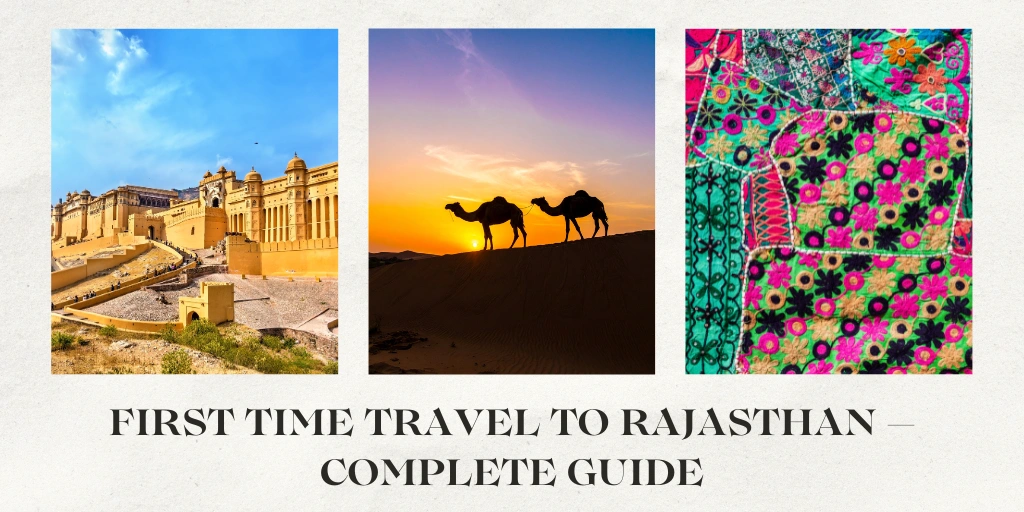
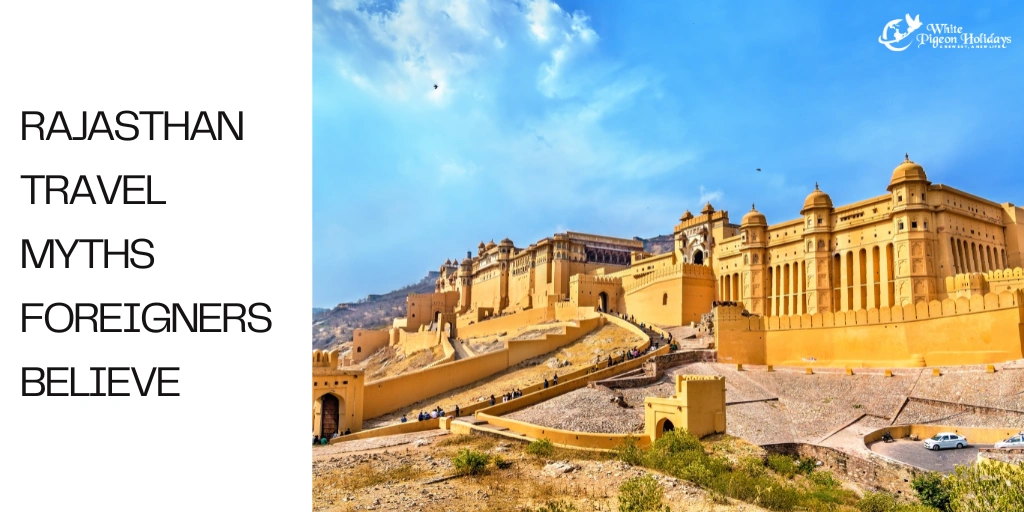
"Is Amber Fort accessible for seniors?" is one of the most common questions we receive. The answer is yes — but only if you know how to approach it.
| Monument | City | Steps / Layout | Accessible Route | Best Time | Senior-Friendly? |
|---|---|---|---|---|---|
| Amber Fort | Jaipur | 300+ steps inside | Jeep to upper entrance; skip lower staircase | 7–9 AM | Yes, with planning |
| City Palace | Jaipur | Minimal, mostly flat | Wheelchair access through main galleries | 9–11 AM | Yes |
| Hawa Mahal | Jaipur | Multiple floors | Ground floor only is sufficient | Morning | Partial |
| Nahargarh Fort | Jaipur | Step path but the top, flat drive available | Drive to top — skip the walk | 7–9 AM | Yes — drive |
| Jantar Mantar | Jaipur | Mostly flat | Open-air, manageable paths | 8–10 AM | Yes |
| Mehrangarh Fort | Jodhpur | Steep entrance path | Elevator available — goes directly to museum galleries | 9–10 AM | Excellent |
| Jaswant Thada | Jodhpur | Flat, gentle incline | Easy walk, very manageable | 9–10 AM | Excellent |
| City Palace | Udaipur | Moderate. Some steps | Golf cart in restricted sections | 10 AM–12 PM | Yes |
| Lake Pichola Boat Ride | Udaipur | Zero walking | 45-minute boat — outstanding sunset experience | 4–6 PM sunset | Excellent |
| Saheliyon Ki Bari | Udaipur | Flat, garden paths | Stroll at your own pace — easily accessible | 9–11 AM | Excellent |
| Brahma Temple | Pushkar | Flat | Easily accessible from ghats | Early morning | Yes |
| Ranthambore Safari | Ranthambore | Zero walking | Fully seated jeep — bring 3–5 layers | Early (6–7 AM or 3–4 PM) | Excellent |
| Dilwara Temples | Mount Abu | Minimal flat, stone floors | Remove shoes at entrance — bring slip-ons | 9–11 AM | Yes |
| Jaisalmer Fort | Jaisalmer | Steep cobblestones, uneven surfaces | Limited vehicle access — mostly on foot | F-folding | Challenging |
"Is Amber Fort accessible for seniors?" is one of the most common questions we receive. The answer is yes — but only if you know how to approach it.
Amber Fort — Jaipur
Accessible Route: Jeep to upper entrance; skip lower staircase
Best Time: 7–9 AM
Senior-Friendly: Yes, with planning
City Palace — Jaipur
Accessible Route: Wheelchair access through main galleries
Best Time: 9–11 AM
Senior-Friendly: Yes
Hawa Mahal — Jaipur
Accessible Route: Ground floor only is sufficient
Best Time: Morning
Senior-Friendly: Partial
Nahargarh Fort — Jaipur
Accessible Route: Drive to top — skip the walk
Best Time: 7–9 AM
Senior-Friendly: Yes — drive
Jantar Mantar — Jaipur
Accessible Route: Open-air, manageable paths
Best Time: 8–10 AM
Senior-Friendly: Yes
Mehrangarh Fort — Jodhpur
Accessible Route: Elevator available — goes directly to museum galleries
Best Time: 9–10 AM
Senior-Friendly: Excellent
Jaswant Thada — Jodhpur
Accessible Route: Easy walk, very manageable
Best Time: 9–10 AM
Senior-Friendly: Excellent
City Palace — Udaipur
Accessible Route: Golf cart in restricted sections
Best Time: 10 AM–12 PM
Senior-Friendly: Yes
Lake Pichola Boat Ride — Udaipur
Accessible Route: 45-minute boat — outstanding sunset experience
Best Time: 4–6 PM sunset
Senior-Friendly: Excellent
Saheliyon Ki Bari — Udaipur
Accessible Route: Stroll at your own pace — easily accessible
Best Time: 9–11 AM
Senior-Friendly: Excellent
Brahma Temple — Pushkar
Accessible Route: Easily accessible from ghats
Best Time: Early morning
Senior-Friendly: Yes
Ranthambore Safari — Ranthambore
Accessible Route: Fully seated jeep — bring 3–5 layers
Best Time: Early (6–7 AM or 3–4 PM)
Senior-Friendly: Excellent
Dilwara Temples — Mount Abu
Accessible Route: Remove shoes at entrance — bring slip-ons
Best Time: 9–11 AM
Senior-Friendly: Yes
Jaisalmer Fort — Jaisalmer
Accessible Route: Limited vehicle access — mostly on foot
Best Time: F-folding
Senior-Friendly: Challenging
Best Time to Visit Rajasthan as a Senior Traveller
| Month | Temp Range | Comfort Level | Recommendation |
|---|---|---|---|
| January | 8–25°C (46–77°F) |
Excellent | Best month overall. Book accommodation early — peak season. |
| February | 12–28°C (54–82°F) |
Excellent | Ideal for safaris, wildlife, and long road trips. |
| March | 18–33°C (64–91°F) |
Very Good | Comfortable if you start sightseeing early. Warm by afternoon. |
| April | 24–38°C (75–100°F) |
Warm | Early morning sightseeing only. Rest from 11 AM onwards. |
| May–June | 30–45°C (86–113°F) |
Extreme | Not recommended for senior travellers. |
| July–August | 27–35°C (81–95°F) |
Monsoon | Humidity and road disruptions. Ranthambore closed Jul–Sep. |
| September | 26–35°C (79–95°F) |
Improving | Late September noticeably better. Still humid. |
| October | 22–33°C (72–91°F) |
Very Good | Great first-timer month. Comfortable mornings and evenings. |
| November | 14–28°C (57–82°F) |
Excellent | Peak season begins. Ideal temperatures throughout. |
| December | 8–24°C (46–75°F) |
Excellent | Beautiful. Pack a light jacket for evenings (can drop to 8–10°C). |
January
Comfort Level: Excellent
Recommendation: Best month overall. Book accommodation early — peak season.
February
Comfort Level: Excellent
Recommendation: Ideal for safaris, wildlife, and long road trips.
March
Comfort Level: Very Good
Recommendation: Comfortable if you start sightseeing early. Warm by afternoon.
April
Comfort Level: Warm
Recommendation: Early morning sightseeing only. Rest from 11 AM onwards.
May–June
Comfort Level: Extreme
Recommendation: Not recommended for senior travellers.
July–August
Comfort Level: Monsoon
Recommendation: Humidity and road disruptions. Ranthambore closed Jul–Sep.
September
Comfort Level: Improving
Recommendation: Late September noticeably better. Still humid.
October
Comfort Level: Very Good
Recommendation: Great first-timer month. Comfortable mornings and evenings.
November
Comfort Level: Excellent
Recommendation: Peak season begins. Ideal temperatures throughout.
December
Comfort Level: Excellent
Recommendation: Beautiful. Pack a light jacket for evenings (can drop to 8–10°C).
The 8-Day Relaxed Rajasthan Itinerary for Seniors
| Day | City | Focus | Rest Window |
|---|---|---|---|
| Day 1 | Arrive Jaipur | Airport transfer, hotel check-in, evening Johri Bazaar walk (flat, atmospheric) | Full afternoon rest |
| Day 2 | Jaipur | Amber Fort by jeep (7–9 AM), City Palace (9–11 AM) | Afternoon completely free |
| Day 3 | Jaipur | Jantar Mantar, optional Nahargarh Fort viewpoint by road | Free afternoon / bazaar |
| Day 4 | Jaipur → Pushkar (~3–4 hrs) | Drive with one rest stop, arrive by noon, afternoon lakeside walk | Easy travel day |
| Day 5 | Pushkar | Brahma Temple aarti, lakeside cafés, browse the market at your pace | Completely flexible day |
| Day 6 | Pushkar → Udaipur (~4.5 hrs via NH48) | Two planned rest stops, evening promenade at Lake Pichola | Easy travel day |
| Day 7 | Udaipur | City Palace (morning), Lake Pichola sunset boat ride, optional Bagore Ki Haveli show (seated) | Full midday rest |
| Day 8 | Udaipur → Jodhpur (~4 hrs) | Mehrangarh Fort by elevator (morning), Blue City street walk, rooftop dinner | Rest after arrival |
Note on Jodhpur departure: From Jodhpur you can fly directly to Delhi or Mumbai, or drive back to Jaipur (5–6 hours) for a Delhi-connected departure. If flying home from the UK, most international connections go via Delhi.
Day 1 — Arrive Jaipur
Rest Window: Full afternoon rest
Day 2 — Jaipur
Rest Window: Afternoon completely free
Day 3 — Jaipur
Rest Window: Free afternoon / bazaar
Day 4 — Jaipur → Pushkar (~3–4 hrs)
Rest Window: Easy travel day
Day 5 — Pushkar
Rest Window: Completely flexible day
Day 6 — Pushkar → Udaipur (~4.5 hrs via NH48)
Rest Window: Easy travel day
Day 7 — Udaipur
Rest Window: Full midday rest
Day 8 — Udaipur → Jodhpur (~4 hrs)
Rest Window: Rest after arrival
Want a Rajasthan Itinerary Based on Your Energy Level?
Free Senior Travel Consultation
The itinerary above is a template. Your actual trip depends on your mobility, travel dates, group size, hotel preferences, and how much you want to see versus rest. Share your requirements and get a day-by-day plan built specifically around your comfort level — no sales pressure, no generic packages.
Request Your Personalized Rajasthan Travel Plan
The 10-Day Active Senior Itinerary — For Those Who Want More
Some travellers in their 60s are genuinely fit and want a fuller experience. Adding Ranthambore to the 8-day route gives you a tiger safari — one of the most memorable additions available, and requiring zero walking.
| Day | City | Focus | Rest Window |
|---|---|---|---|
| Day 1 | Arrive Jaipur | Hotel check-in, relaxed evening bazaar walk | Full afternoon |
| Day 2 | Jaipur | Amber Fort (jeep), City Palace | Rest after lunch |
| Day 3 | Jaipur | Nahargarh Fort viewpoint, Jantar Mantar | Free afternoon |
| Day 4 | Jaipur → Ranthambore (~3 hrs) | Drive and settle, afternoon rest | Easy travel day |
| Day 5 | Ranthambore | Morning safari (zones 1–5), afternoon optional safari | Midday hotel rest |
| Day 6 | Ranthambore → Pushkar (~3.5 hrs) | Arrive by noon, gentle lakeside walk | Easy sightseeing |
| Day 7 | Pushkar → Jodhpur (~3.5 hrs) | Morning in Pushkar, drive to Jodhpur, rest | Rest after arrival |
| Day 8 | Jodhpur | Mehrangarh Fort (elevator), Blue City, Jaswant Thada | Afternoon hotel break |
| Day 9 | Jodhpur → Udaipur (~4 hrs) | Drive, hotel rest, Lake Pichola sunset boat ride | Rest before boating |
| Day 10 | Udaipur | City Palace morning, departure | Departure day |
Day 1 — Arrive Jaipur
Rest Window: Full afternoon
Day 2 — Jaipur
Rest Window: Rest after lunch
Day 3 — Jaipur
Rest Window: Free afternoon
Day 4 — Jaipur → Ranthambore (~3 hrs)
Rest Window: Easy travel day
Day 5 — Ranthambore
Rest Window: Midday hotel rest
Day 6 — Ranthambore → Pushkar (~3.5 hrs)
Rest Window: Easy sightseeing
Day 7 — Pushkar → Jodhpur (~3.5 hrs)
Rest Window: Rest after arrival
Day 8 — Jodhpur
Rest Window: Afternoon hotel break
Day 9 — Jodhpur → Udaipur (~4 hrs)
Rest Window: Rest before boating
Day 10 — Udaipur
Rest Window: Departure day
The Daily Rhythm That Makes Everything Work
Choosing 8 days versus 10 days matters. But the structure of each day matters just as much. A poorly planned 7-day trip will exhaust you more than a well-structured 5-day trip.
Here's the rhythm that works consistently for senior travellers in Rajasthan:
| Time | Activity |
|---|---|
| 7:00–7:30 AM | Light breakfast, prepare for the day |
| 8:00–11:00 AM | Main sightseeing — the golden window |
| 11:00 AM–12:00 PM | Second brief activity or return to hotel |
| 12:00–3:00 PM | Lunch + rest — non-negotiable |
| 3:00–5:00 PM | Optional: market, café, short drive |
| 5:00 PM onward | Relaxed evening — hotel garden, dinner, cultural show |
7:00–7:30 AM
8:00–11:00 AM
11:00 AM–12:00 PM
12:00–3:00 PM
3:00–5:00 PM
5:00 PM onward
Transport: The Decision That Makes or Breaks the Trip
Quick Answer A private car with an experienced driver is the only sensible choice for senior travel in Rajasthan.
Train connections between smaller Rajasthani cities are limited and logistics are complex.
A private car gives you door-to-door convenience, your own pace, and rest stops whenever you need them.
Do not use shared transport, local buses, or auto-rickshaws for intercity travel if you are a senior traveller.
The cost saving is not worth the energy cost.
What a good private car arrangement looks like
- Toyota Innova for 2–4 travellers — comfortable, high seating position (easier to get in and out than sedans), excellent AC, luggage space
- A driver with experience handling senior or international travellers
- Rest stops every 90–120 minutes on any drive over 2 hours — planned in advance, not just when you ask
- Bottled water and light snacks in the vehicle throughout
- Driver available from 7 AM to 9 PM on your schedule, not on an hourly clock
- A travel contact (like Nitin) reachable by phone if anything changes on the ground
Within cities: App-based cabs (Ola/Uber) work well in Jaipur, Jodhpur, and Udaipur for short transfers.
Ask your hotel to arrange these rather than hailing on the street — it ensures a known driver and avoids fare negotiation.
Rajasthan for UK Senior Travellers — Practical Logistics
Visa: British passport holders need an Indian visa.
The India e-Visa is straightforward — apply online, costs approximately £25, and takes 3–5 business days to process.
Apply at least two weeks before departure to be safe.
Print a copy to carry with you.
Health: Check the NHS Fit for Travel page for India at least 8 weeks before departure.
Commonly recommended vaccinations include Hepatitis A, Typhoid, and Tetanus.
Speak with your GP, and discuss the trip specifically if you have heart, blood pressure, or joint conditions.
Comprehensive travel insurance with medical evacuation coverage is essential — not optional.
Flying: Direct flights from London Heathrow to Jaipur operate seasonally.
Otherwise, connections via Delhi (with a domestic flight to Jaipur) are straightforward.
Most UK-based travellers arrive via Delhi and start the Rajasthan circuit from Jaipur.
Time difference: India is IST (UTC+5:30), so 4.5 hours ahead of the UK in winter and 4.5 hours ahead in summer.
Build in a day for acclimatisation — jet lag combined with heat is real.
What to Pack for Rajasthan as a Senior Traveller
This is the list most travel guides skip — but it matters enormously:
Clothing:
- Loose, breathable cotton or linen (Rajasthan is dusty and bright)
- Light jacket or warm layer for December–January evenings (can drop to 8°C)
- Slip-on shoes — easier at temples where you remove footwear frequently
- Comfortable walking shoes with grip (fort surfaces can be slippery when wet)
- Light scarf or dupatta — useful for temple visits and sun protection
Health essentials:
- All regular medications, packed in cabin luggage (not checked bags)
- Printed medication list with generic names (Indian pharmacies use different brand names)
- ORS (oral rehydration salts) — available at any Indian pharmacy for under ₹20, but bring a few packets
- SPF 50+ sunscreen — the Rajasthan sun reflects off stone and sand more than you expect
- Hand sanitiser — useful when soap isn’t immediately available
- Insect repellent — especially for Ranthambore evenings
Comfort items:
- Small daypack for sightseeing (avoid carrying large bags into monuments)
- Reusable water bottle (fill with bottled water at hotel each morning)
- Neck pillow for long drives
- Portable phone charger
Medical Preparedness and What to Do If You Fall Ill
Most senior travellers who plan well experience no medical issues in Rajasthan.
But preparation matters — especially when you’re far from your regular doctor.
Before you travel
- Full medical check-up at least 4 weeks before departure
- Carry double your required medication supply (lost luggage happens)
- Bring a printed prescription list with generic drug names
- Discuss the trip with your cardiologist or specialist if you have ongoing conditions
- Check NHS Fit for Travel and book a travel health appointment
Medical Facilities in Key Cities
| City | Key Hospital | International Patients |
|---|---|---|
| Jaipur | Fortis Escorts Hospital; Manipal Hospital Jaipur | Yes — dedicated international desk |
| Jodhpur | Medipulse Hospital (NABH-accredited) | Yes |
| Udaipur | GBH American Hospital | Limited international services |
| Pushkar | Basic government facility | No — serious care requires Ajmer (11 km) |
Jaipur
International Patients: Yes — dedicated international desk
Jodhpur
International Patients: Yes
Udaipur
International Patients: Limited international services
Pushkar
International Patients: No — serious care requires Ajmer (11 km)
On the Road — Daily Health Habits
- Drink only bottled or filtered water — never tap
- Eat at your hotel restaurant or well-reviewed restaurants for the first two days
- Avoid raw salads and cut fruit from street stalls
- Apply SPF 50+ sunscreen every morning
- Rest when your body asks — don't push through fatigue to stay on schedule
- Carry your travel insurer's emergency number in your phone
Budget Breakdown for Senior Travellers (UK Visitors, 2026)
| Category (per person/day) | Comfortable (£) | Luxury (£) |
|---|---|---|
| Hotel (double occupancy) | £48–86 | £115–290+ |
| Private car + driver (shared between 2) | £18–28 | £28–40 |
| Meals (3 per day) | £14–24 | £29–58 |
| Monument entry fees | £4–8 | £4–8 |
| Guide fees | £10–17 | £19–38 |
| Daily total (approx. per person) | £94–163 | £195–434+ |
10-day trip total (per person, excluding flights):
Comfortable tier: £940–1,630
Luxury tier: £1,950–4,340+
Hotel (double occupancy)
Luxury: £115–290+
Private Car + Driver (shared between 2)
Luxury: £28–40
Meals (3 per day)
Luxury: £29–58
Monument Entry Fees
Luxury: £4–8
Guide Fees
Luxury: £19–38
Daily Total (approx. per person)
Luxury: £195–434+
Pros and Cons: Group Tour vs Private Arrangement for Senior Rajasthan
| Factor | Group Tour | Private Arrangement |
|---|---|---|
| Cost | Often lower upfront | Higher — but more control |
| Flexibility | Fixed schedule for all | Your schedule, your pace |
| Rest days | Rarely included | Built in by design |
| Mobility accommodation | Generic, rarely personalised | Adjusted to your exact needs |
| Companion if unwell | Other group members may need to wait | You rest, itinerary adjusts |
| Communication | Group guide (may not know you) | Personal contact throughout |
| Best for | Social seniors who want company | Couples, those with mobility considerations, anyone who values flexibility |
Cost
Private Arrangement: Higher — but more control
Flexibility
Private Arrangement: Your schedule, your pace
Rest Days
Private Arrangement: Built in by design
Mobility Accommodation
Private Arrangement: Adjusted to your exact needs
Companion if Unwell
Private Arrangement: You rest, itinerary adjusts
Communication
Private Arrangement: Personal contact throughout
Best For
Private Arrangement: Couples, those with mobility considerations, anyone who values flexibility
Get Your Personalized Rajasthan Plan
7 Mistakes Seniors Make When Planning Rajasthan
Most Rajasthan travel problems are avoidable.
A well-paced itinerary, the right accommodation, and honest communication with your operator prevent the vast majority of them.
- Trying to visit too many cities. Jaipur, Jodhpur, Udaipur, Jaisalmer, and Bikaner in 10 days is too many for most seniors. Four well-chosen cities, explored with time to breathe, beats six cities rushed through. As threads on the TripAdvisor India forum consistently show — the travellers who regret their Rajasthan trip are almost always the ones who tried to cover everything.
- Booking heritage hotels without checking for lifts. Beautiful. Historic. Often without lifts. Many Rajasthan havelis were built centuries ago and have spiral stone staircases only. Always confirm elevator or lift access — and a ground-floor room option — before paying your deposit.
- Visiting forts in the afternoon. Stone absorbs heat quickly. Visiting Amber Fort or Mehrangarh after midday feels nothing like visiting at 8 AM. The same monuments, the same distances, feel twice as hard two hours later. Plan outdoor sightseeing before 10 AM, every time.
- Skipping rest days. A free day is not time lost. It’s what allows you to enjoy the sightseeing days. Build at least one completely unscheduled day for every five travel days. Pushkar’s Day 5 in the 8-day itinerary above is this — and it’s consistently rated by senior travellers as the most memorable day of the trip.
- Packing medication in checked luggage. Checked baggage can be delayed, lost, or held at customs. Your essential medications stay with you in cabin luggage, always. Bring a printed list of medications with generic names — Indian pharmacies use different brand names.
- Booking a shared group tour to save money. Shared transport means other passengers’ schedules, unexpected stops, and no ability to rest when you need to. The saving is real. The energy cost is higher. For most senior travellers, it isn’t worth it.
- Not telling your guide about your physical limitations. Your guide can adjust walking routes, arrange extra breaks, and suggest accessible alternatives — but only if they know what you need from the start. Be upfront about mobility concerns, recent surgeries, or health conditions on Day 1. A good guide is a genuine asset when you’re honest with them.
Get Your Personalised Senior Rajasthan Itinerary
Share your travel dates, cities of interest, comfort level, and any mobility considerations. You'll get a day-by-day Rajasthan itinerary built specifically for you — with real hotel options, drive times, activity timings, and suggested rest windows based on your pace.
Get Your Personalized Rajasthan Plan
Rajasthan for Senior Travellers — Your Questions Answered
Planning a Rajasthan trip as a senior traveller or with elderly family members? Here are honest answers to the questions we hear most — from fort accessibility and safari comfort to the best time to travel and what to eat safely.
Is Rajasthan safe for senior travelers?
Yes. Rajasthan is one of India's safest and most tourism-developed states. Major cities have strong hospital infrastructure, and private tour arrangements mean you have a known contact managing logistics throughout. The biggest risk is heat — which is easily managed by travelling between October and March.
How many days should a senior spend in Rajasthan?
Eight to ten days is the sweet spot. Eight days suits a focused four-city trip at a comfortable pace. Ten days adds Ranthambore or a rest day, and makes the whole experience feel genuinely relaxed rather than managed.
Can someone with knee pain visit Amber Fort comfortably?
Yes — if you use the jeep to the upper entrance and visit with a guide who knows the flat internal sections. The Sheesh Mahal and Diwan-i-Am courtyards are manageable without the main staircase. Skip the upper ramparts if needed — you'll still see the best of the fort.
Does Mehrangarh Fort in Jodhpur have a lift?
Yes. There is a working elevator past the ticket counter that takes you to the main museum galleries. Wheelchairs are also available for rent at the entrance. It's one of the most genuinely accessible major forts in India.
Is Udaipur good for senior citizens?
Udaipur is probably the most naturally senior-friendly city in Rajasthan. The City Palace is manageable, Lake Pichola boat ride requires zero walking, the lake promenade is flat, and the city's hospitals are the best in the region. Many senior travellers say they wished they'd spent more time here.
Is Ranthambore safari suitable for elderly travelers?
Completely. The entire safari is done by jeep — you sit for 3 hours and the vehicle does all the work. There's no walking inside the park. It's one of the most physically undemanding experiences on the whole circuit, and also one of the most dramatic.
Which Ranthambore safari zones are best?
Book zones 1–5. These cover the core park area with lakes and established tiger territory. Zone 9, which appears in many disappointed visitor reviews online, is peripheral and rarely produces good sightings. Confirm your zone allocation with your operator before the day of the safari.
Should seniors avoid Rajasthan in October?
No. October is generally very comfortable, especially from mid-October onwards. Mornings and evenings are pleasant, and the post-monsoon landscape around Udaipur and Ranthambore is particularly green and photogenic. Just plan outdoor sightseeing before 11 AM.
Is there a lift inside Mehrangarh Fort?
Yes — it's after the ticket counter. This is one of the most senior-friendly major forts in India as a result.
What food is safe for senior travelers in Rajasthan?
Hotel restaurant food is generally very safe. For the first two days, stick to your hotel and well-reviewed restaurants while your system adjusts. Avoid raw salads, unpeeled fruit, and street food that hasn't been cooked in front of you. Dal baati churma, laal maas (ask for mild), and vegetarian thalis are all excellent and widely available.
Can a senior traveler with high blood pressure visit Rajasthan?
Yes, with preparation. Travel between October and March (avoid summer heat entirely), stay hydrated, carry your medication, and speak with your cardiologist before departure. Avoid overexertion during the middle of the day.
What is the best first Rajasthan itinerary for a senior couple?
Jaipur → Pushkar → Udaipur → Jodhpur — in that order. It flows geographically, the drive times are manageable, and the variety of experiences is perfect: royal forts (Jaipur), spiritual calm (Pushkar), lakeside romance (Udaipur), and one of India's most dramatic hilltop fortresses (Jodhpur).
Do I need travel insurance for a senior Rajasthan trip?
Yes — and not just basic travel insurance. Choose a policy specifically covering pre-existing medical conditions, medical evacuation, trip cancellation, and delays. Check the policy limits carefully — medical evacuation from India can be expensive and some basic policies don't cover it.
How do I hire a reliable driver for a senior Rajasthan tour?
Book through a reputable travel company that specialises in international visitors and senior travel. Ask specifically for an English-speaking driver experienced with international guests, and confirm the vehicle is a Toyota Innova or equivalent. Avoid booking drivers through hotels at the last minute — you have no accountability or prior vetting.